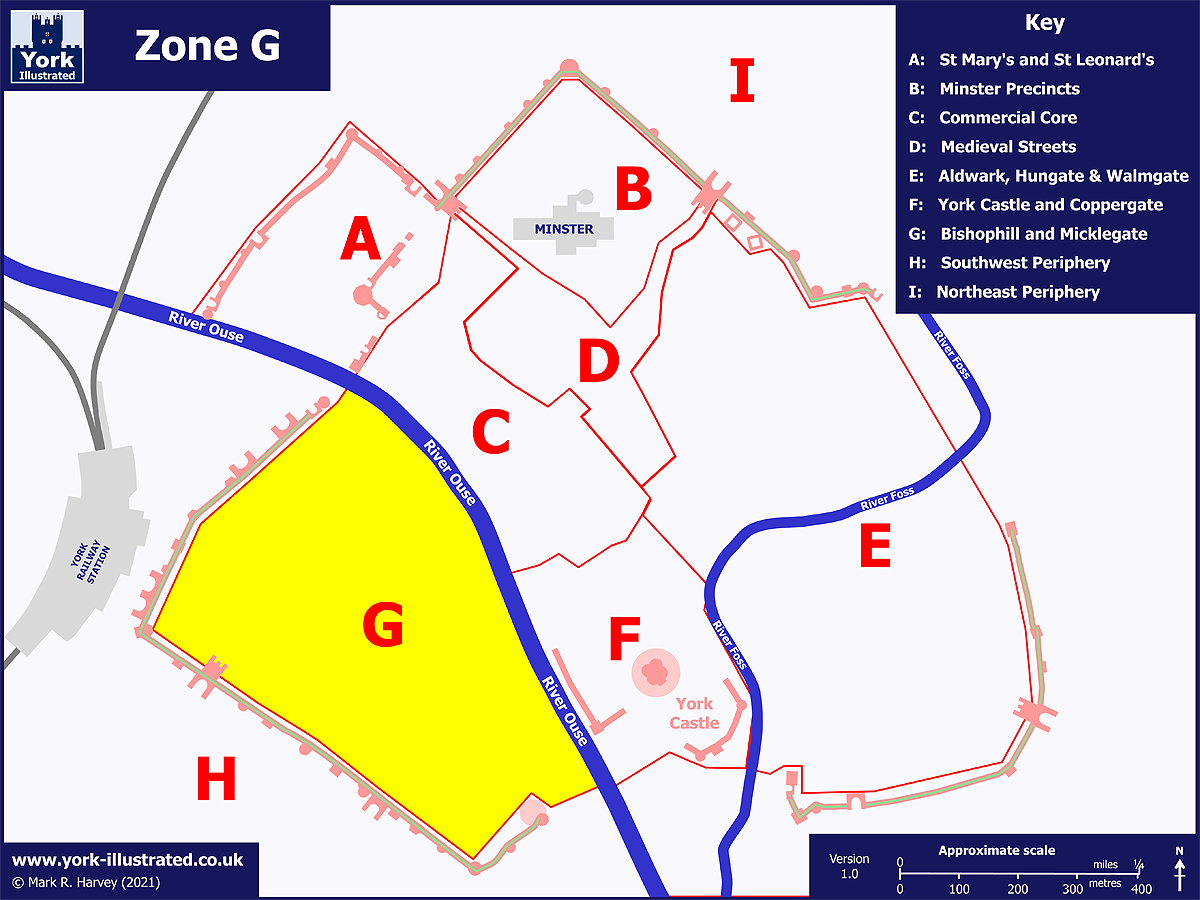
Map as per caption. Opens larger version.
Show / hide tips
  • Every item classified with this term is included in this extract.
  • The items have been grouped by content type, then listed in alphabetical order.
  • To speed-up page-loading, a maximum of 24 locations are displayed on each page.
  • If there are more than 24 items, click / tap on the page navigation buttons (located below the list) to display the additional page(s).
  • To view a larger version of an image, click / tap on the image.
  • To view all available information and images for an item of content, click / tap on its title or 'Read More' link. (If a 'Read more' link is provided, a brief article and / or a high quality external link is available.)
  • To view the locations on interactive maps and aerial imagery, use the 'Explore' app.
Gazetteer Entry

Photo as per caption. Opens larger version.

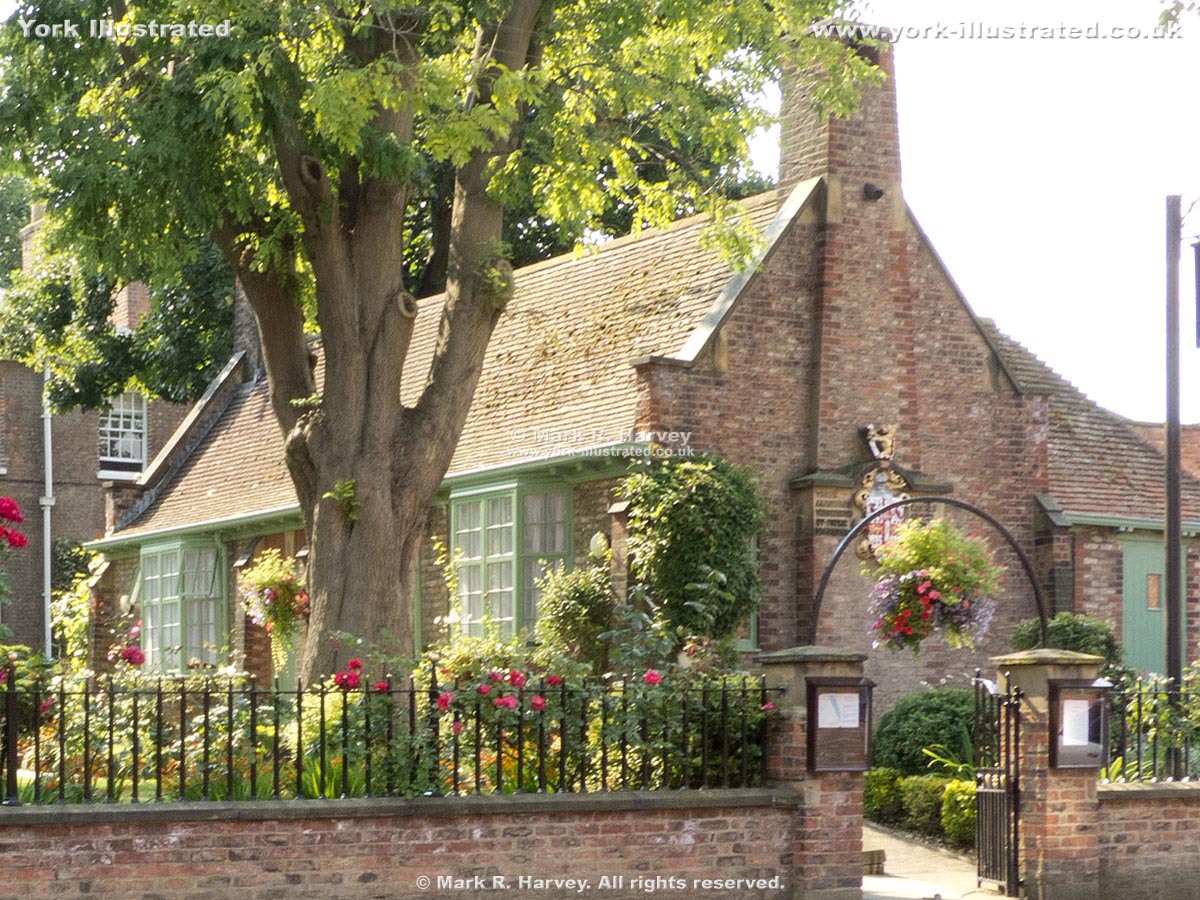
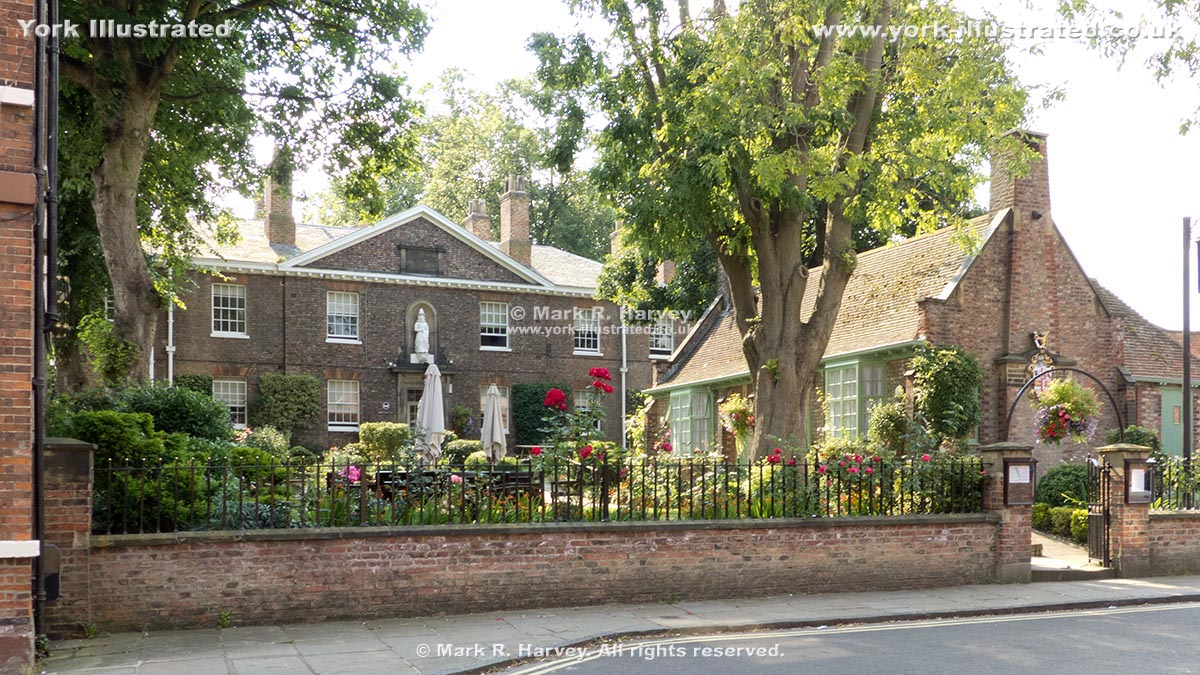
Anne Middleton's Hospital

Anne Middleton's Hospital was constructed in 1827–9 as an almshouse to provide sheltered accomodation for the widows of up to 20 freemen of the city of York.

Read more

Photo as per caption. Opens larger version.

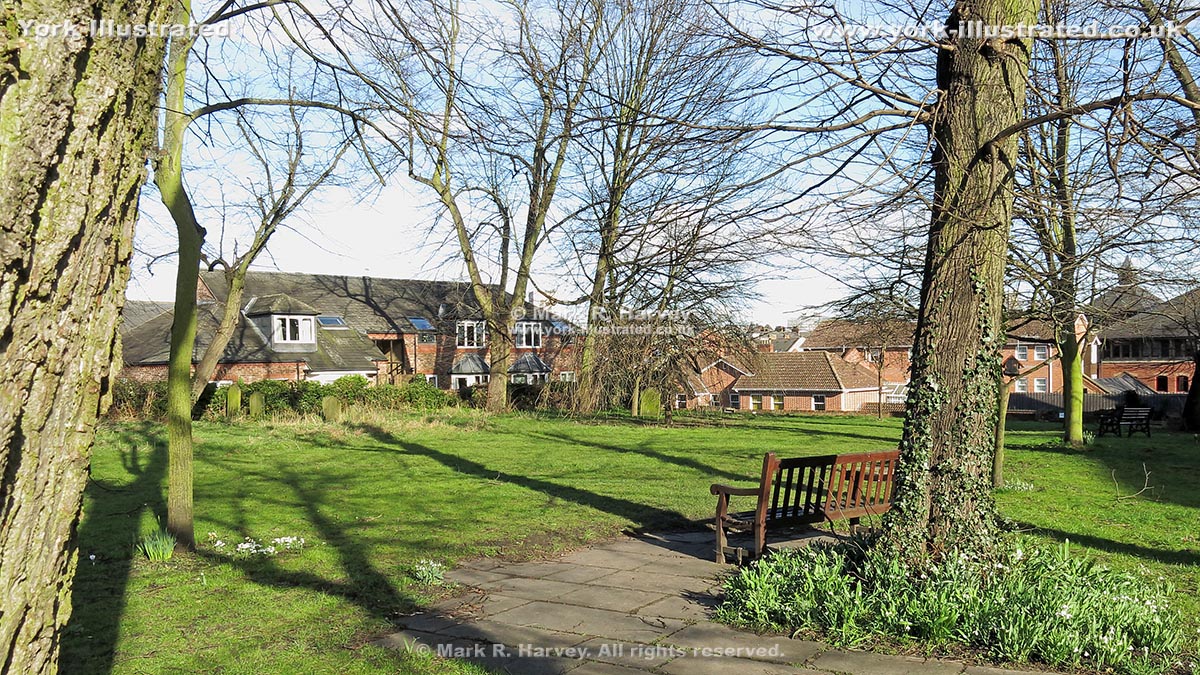
Bishophill Community Garden

Bishophill Community Garden is a small area of greenspace within the churchyard of St Mary Bishophill Senior (York). The church was demolished in 1963.

Read more

Photo as per caption. Opens larger version.

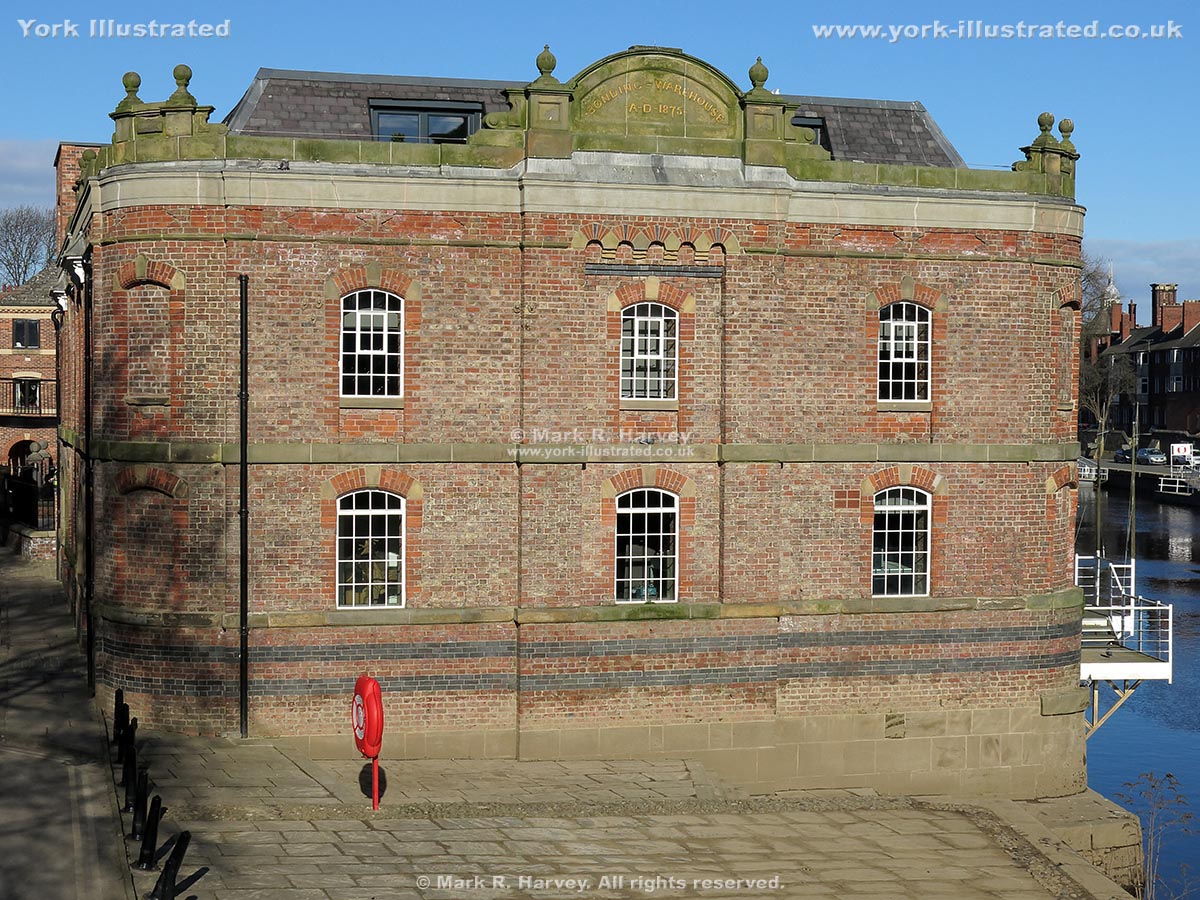
Bonding Warehouse

From 1875 to 1958, York Corporation used the Bonding Warehouse to store imported goods that were subject to Excise duty. It now contains flats and offices.

Photo as per caption. Opens larger version.

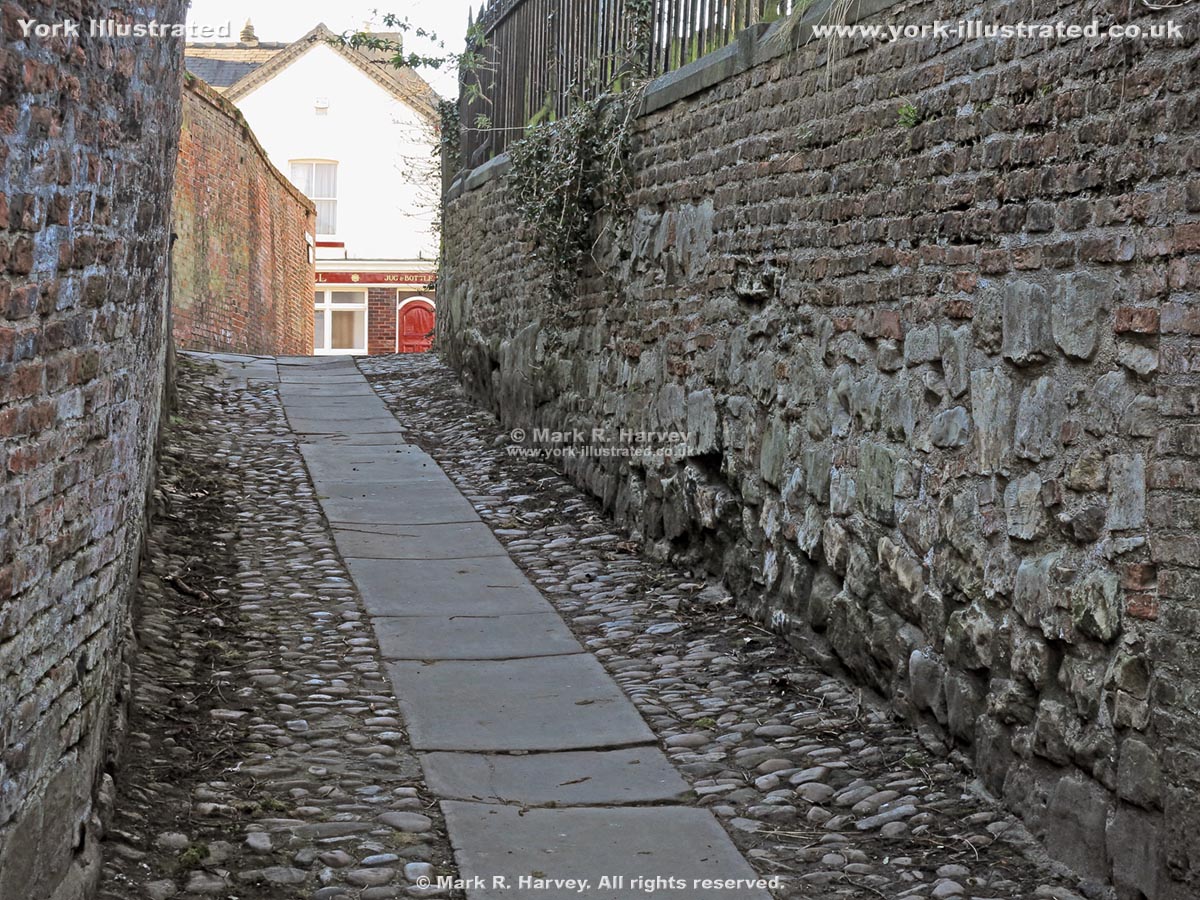
Carr's Lane

The steep gradient, cobble and flagstone road surface and high retaining walls give Carr's Lane an interesting and distinctive character.

Read more

Photo as per caption. Opens larger version.

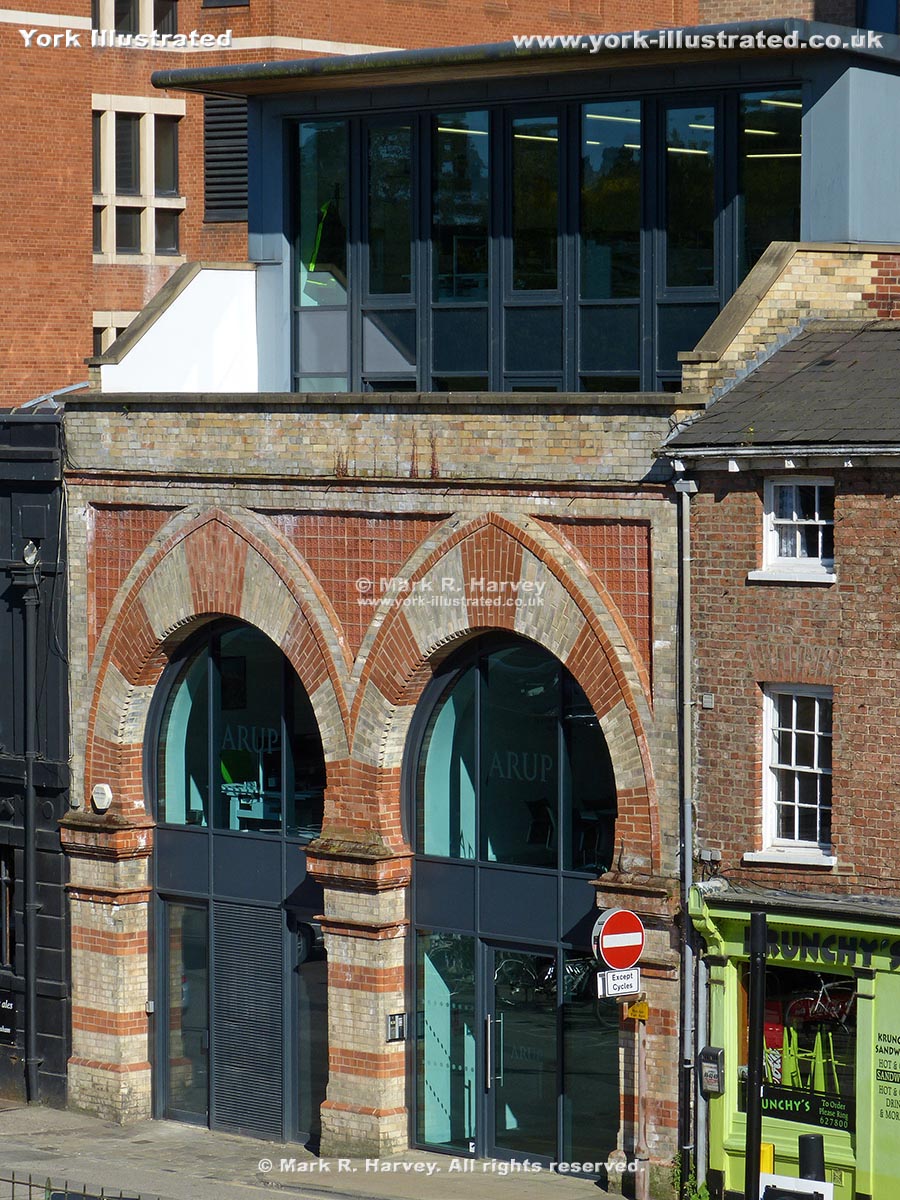
Horse Repository Building

This attractive facade on Tanner's Moat, with its gothic arches and contrasting brickwork, is all that remains of what was once the city's premiere horse hotel.

Read more

Photo as per caption. Opens larger version.

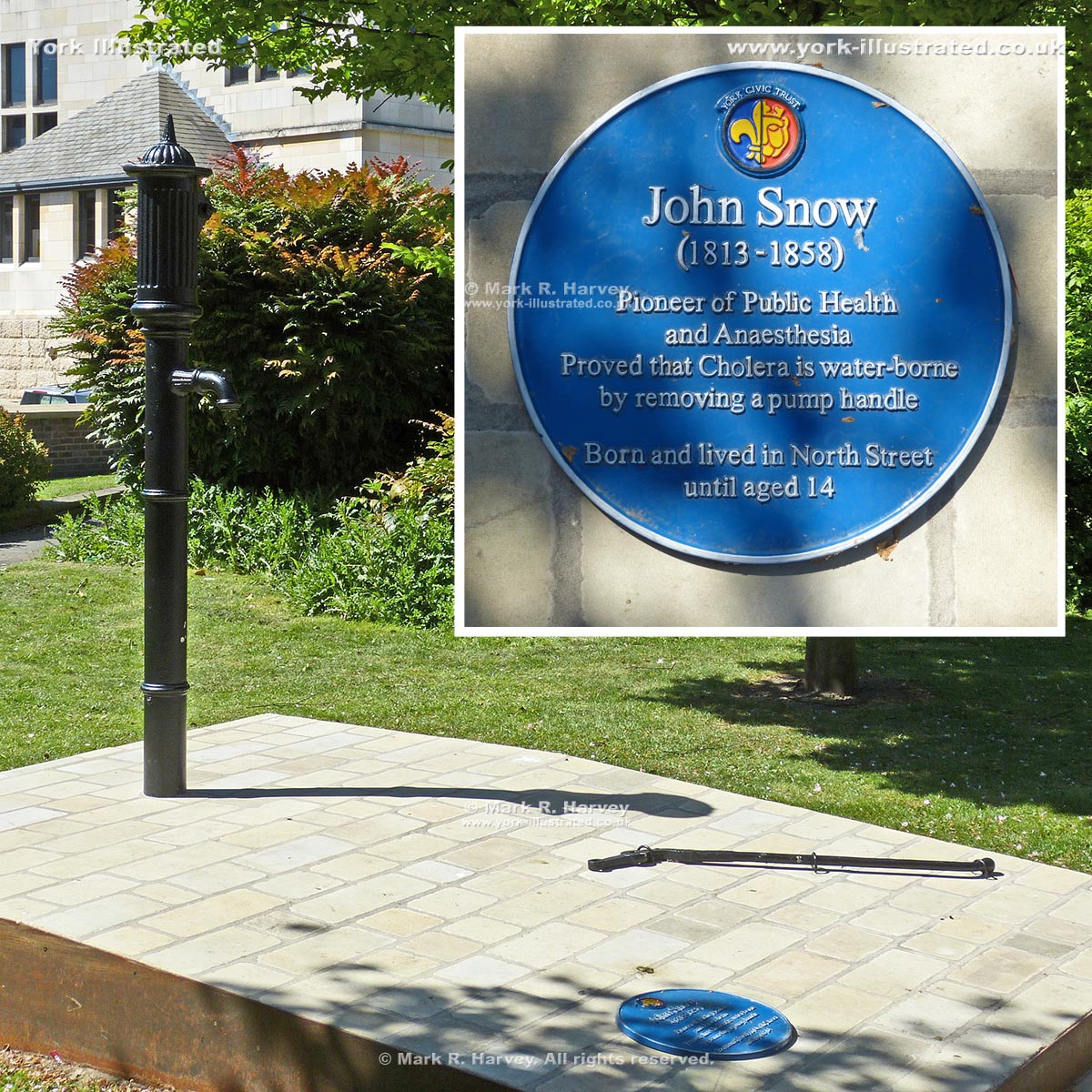
John Snow Memorial

In 1854, York-born physician John Snow confirmed the link between cholera and polluted water by removing the handle of a communal water pump in London's Soho.

Read more

Photo as per caption. Opens larger version.

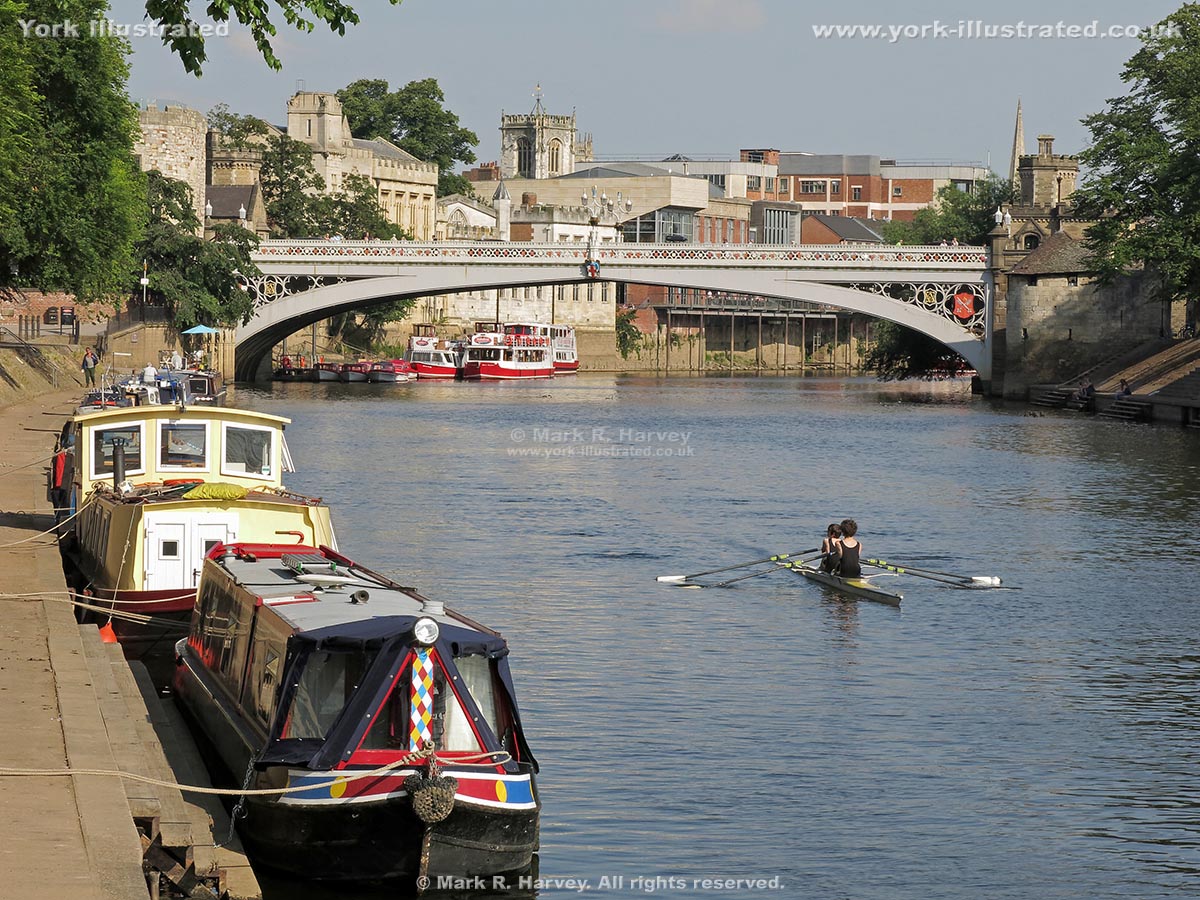
Lendal Bridge

Lendal Bridge offers superb views along the River Ouse. It was built to link York's commercial district with the railway station and it opened in 1863.

Read more

Photo as per caption. Opens larger version.

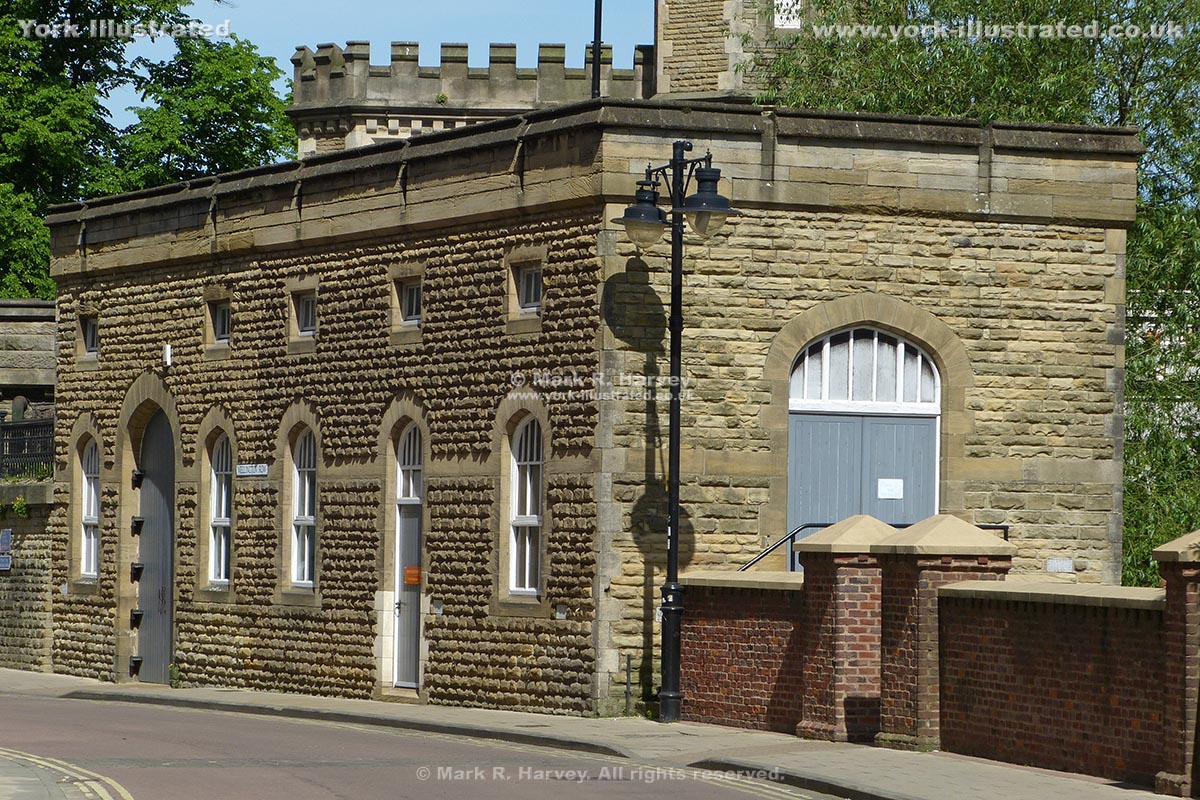
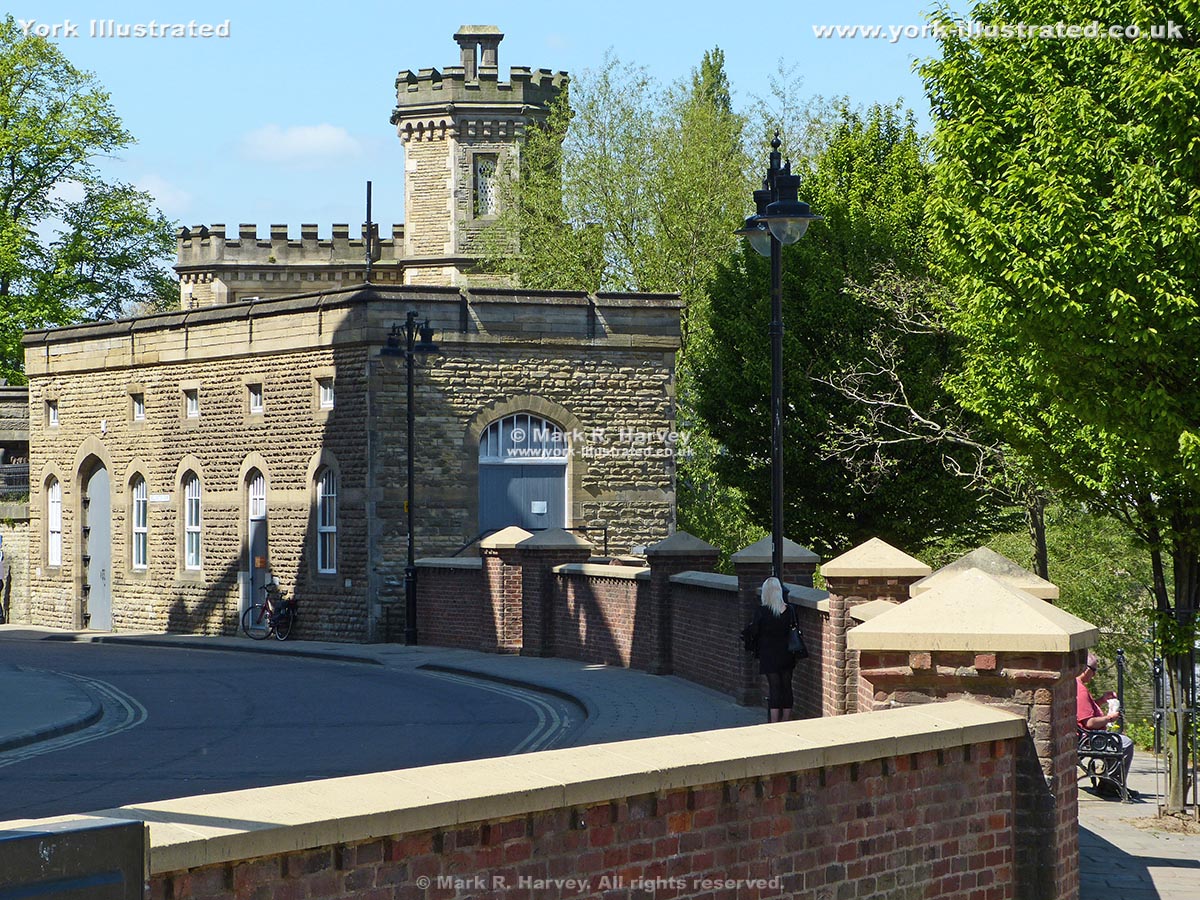
Lendal Bridge Sub-Station

This attractive little building was constructed circa 1920 by York Corporation to house an electricity sub-station. It was converted for commercial use in 2010.

Read more

Photo as per caption. Opens larger version.

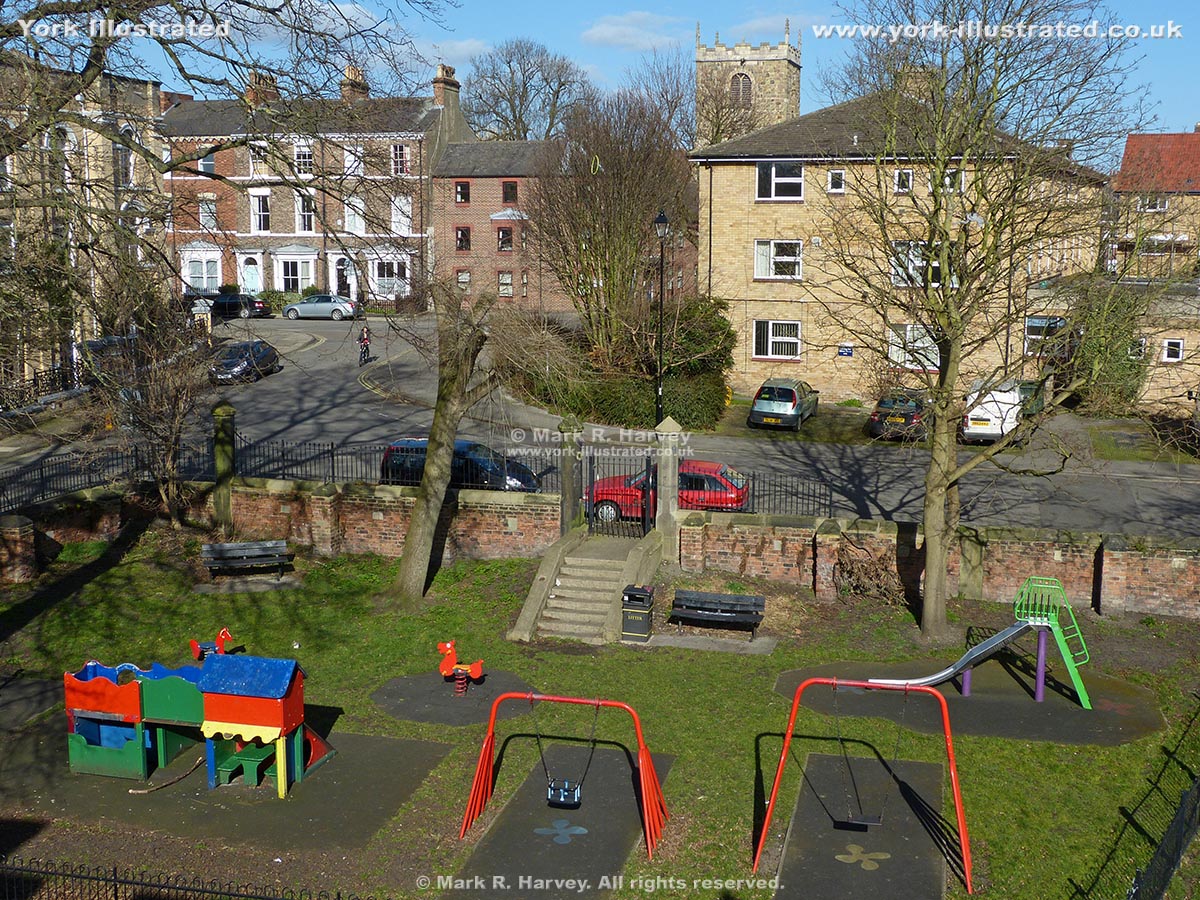
Lower Priory Street Children's Playground

If you're doing the city's famous Wall Walk with young children, the small but well equipped children's playground on Lower Priory Street may be worth a short diversion

Photo as per caption. Opens larger version.

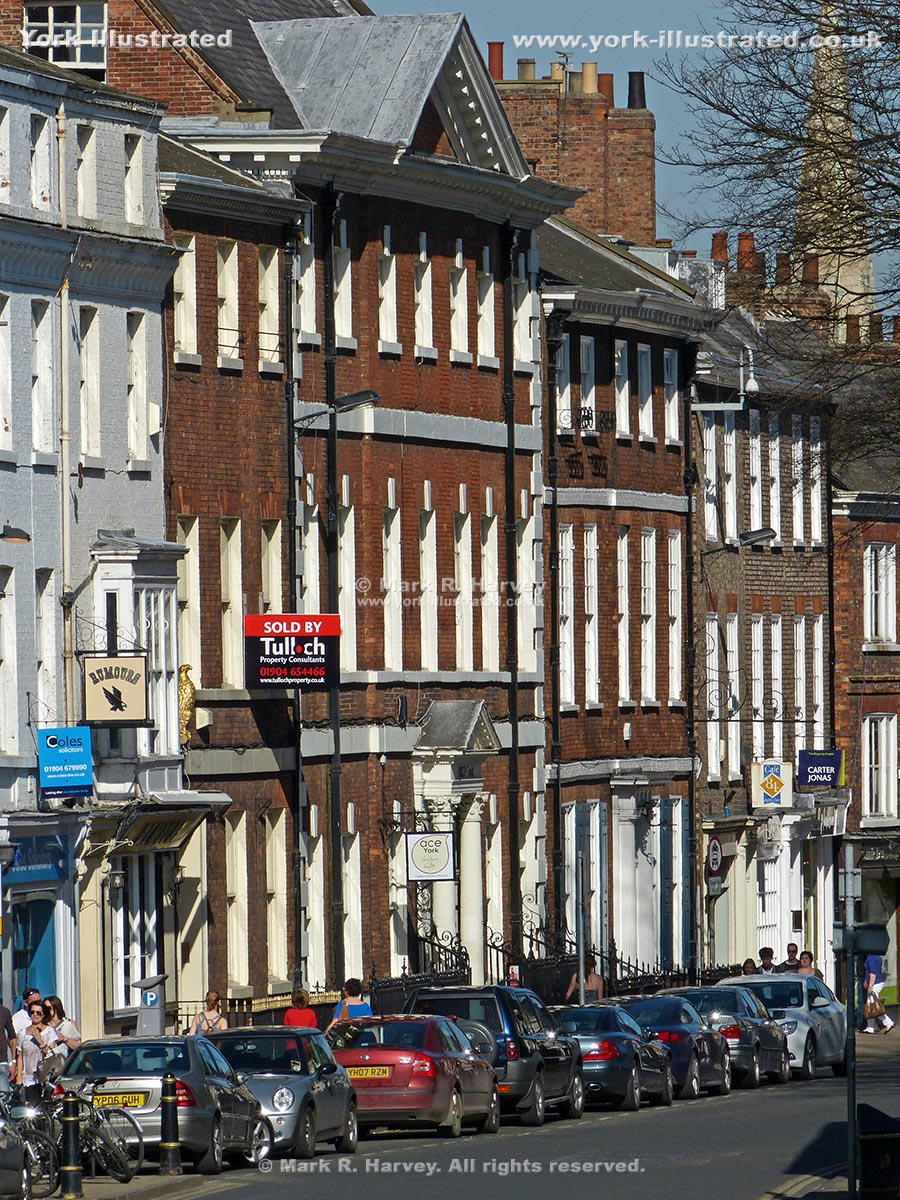
Micklegate

Micklegate links Micklegate Bar with the city centre via Ouse Bridge. The blend of medieval, Georgian and more recent buildings create a unique atmosphere.

Read more

Photo as per caption. Opens larger version.

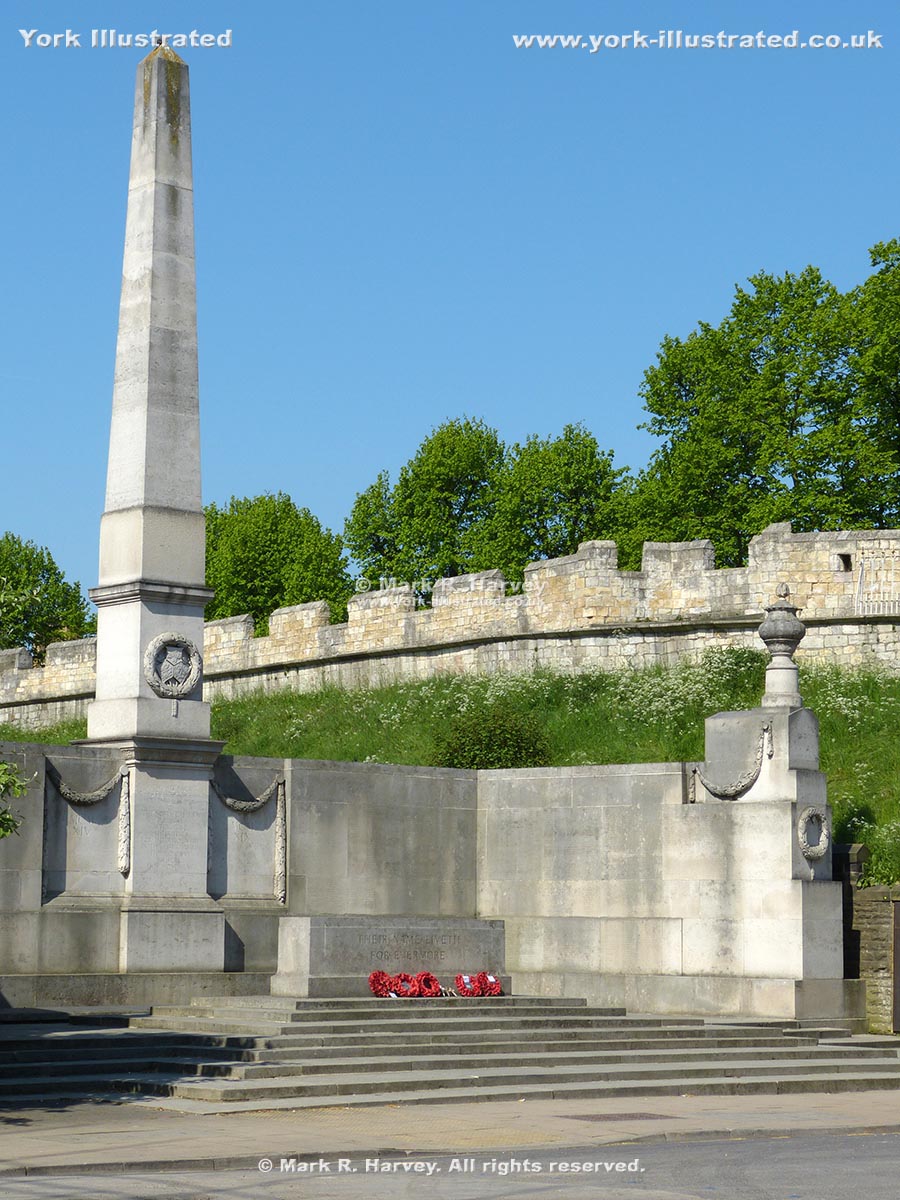
North Eastern Railway War Memorial

This memorial was built to commemorate 2,236 NER employees killed during the First World War. It was designed by Sir Edwin Lutyens and unveiled on 14 June 1924.

Read more

Photo as per caption. Opens larger version.

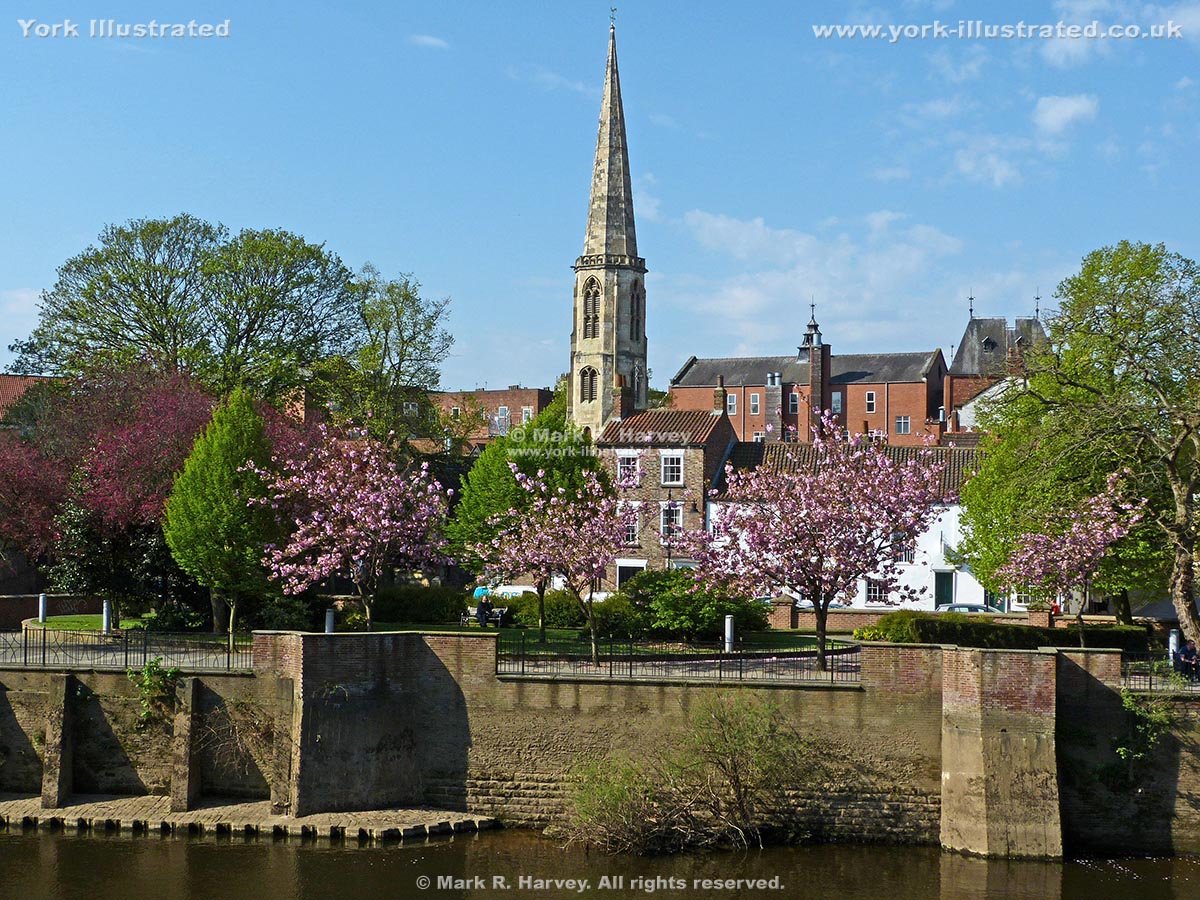
North Street Gardens

This pleasant oasis beside the River Ouse was donated to the city of York in 1959. The site was previously occupied by a flour mill and Rowntree’s Cocoa Works.

Read more

Photo as per caption. Opens larger version.

Ouse Bridge

The current (Grade II listed) Ouse Bridge is the third on this site in the heart of the city. It was constructed in two stages between 1810 and 1820.

Photo as per caption. Opens larger version.

Queen's Staith

The quayside known as Queen’s Staith was constructed circa 1810-1820 as part of the works to rebuild the adjacent Ouse Bridge.

Photo as per caption. Opens larger version.

Terry Memorial Homes

These almshouses were funded by public subscription and built in 1899 in memory of Sir Joseph Terry (who died the previous year).

Read more

Photo as per caption. Opens larger version.

Wellington Row

Wellington Row originated in the early 19th century as a row of back-to-back houses. The name commemorates the Duke's victory at the Battle of Waterloo.

Read more