A location where the walkway along the City Wall can be accessed by the general public during specified times subject to weather conditions, maintenance, etc.

Show / hide tips
  • Every item classified with this term is included in this extract.
  • The items have been grouped by content type, then listed in alphabetical order.
  • To speed-up page-loading, a maximum of 24 locations are displayed on each page.
  • If there are more than 24 items, click / tap on the page navigation buttons (located below the list) to display the additional page(s).
  • To view a larger version of an image, click / tap on the image.
  • To view all available information and images for an item of content, click / tap on its title or 'Read More' link. (If a 'Read more' link is provided, a brief article and / or a high quality external link is available.)
  • To view the locations on interactive maps and aerial imagery, use the 'Explore' app.
Gazetteer Entry

Photo as per caption. Opens larger version.

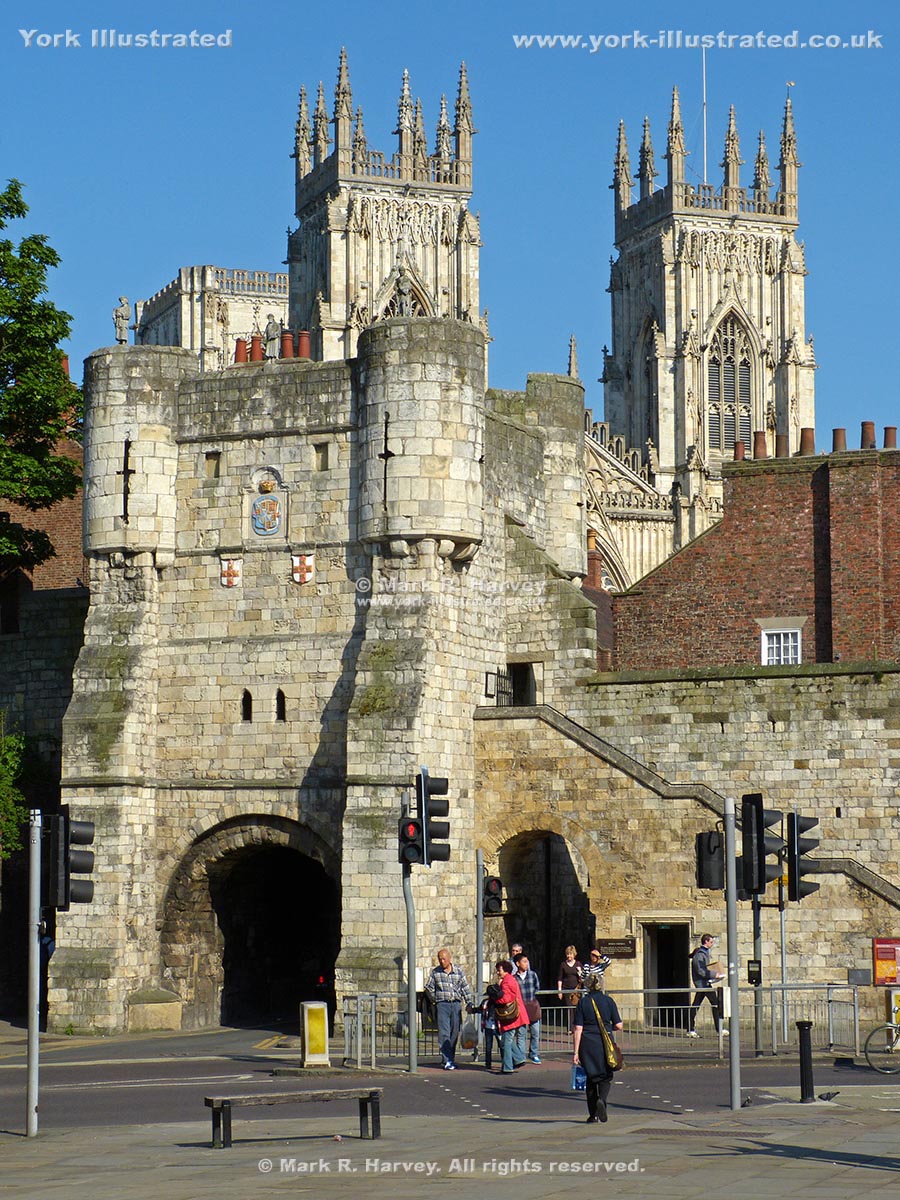
Bootham Bar

Bootham Bar was built in the 12th century to protect the city's western entrance. It now forms a key access point for the northern section of York's City Walls.

Photo as per caption. Opens larger version.

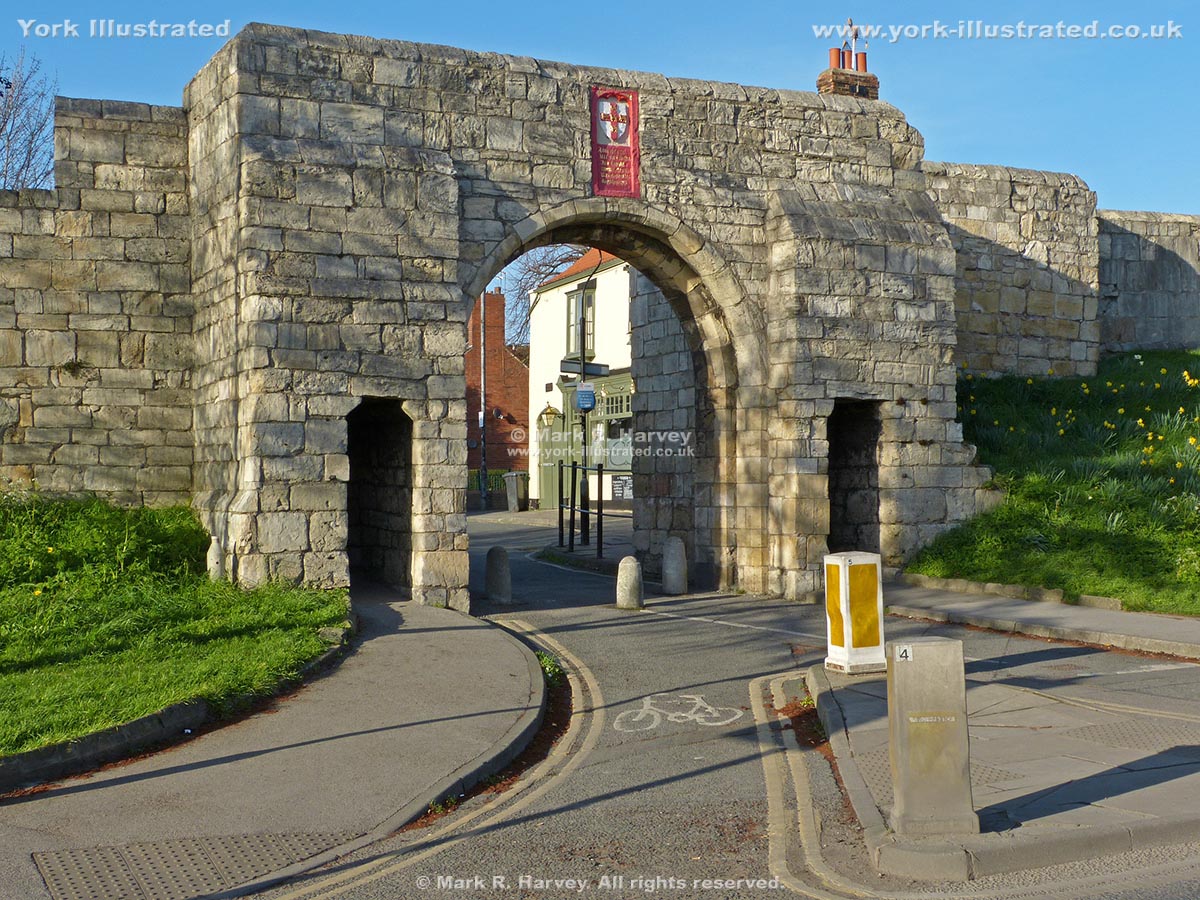
Fishergate Bar

Fishergate Bar was once a very important gateway and it would have been a much grander structure than the simple set of openings that we see today.

Read more

Photo as per caption. Opens larger version.

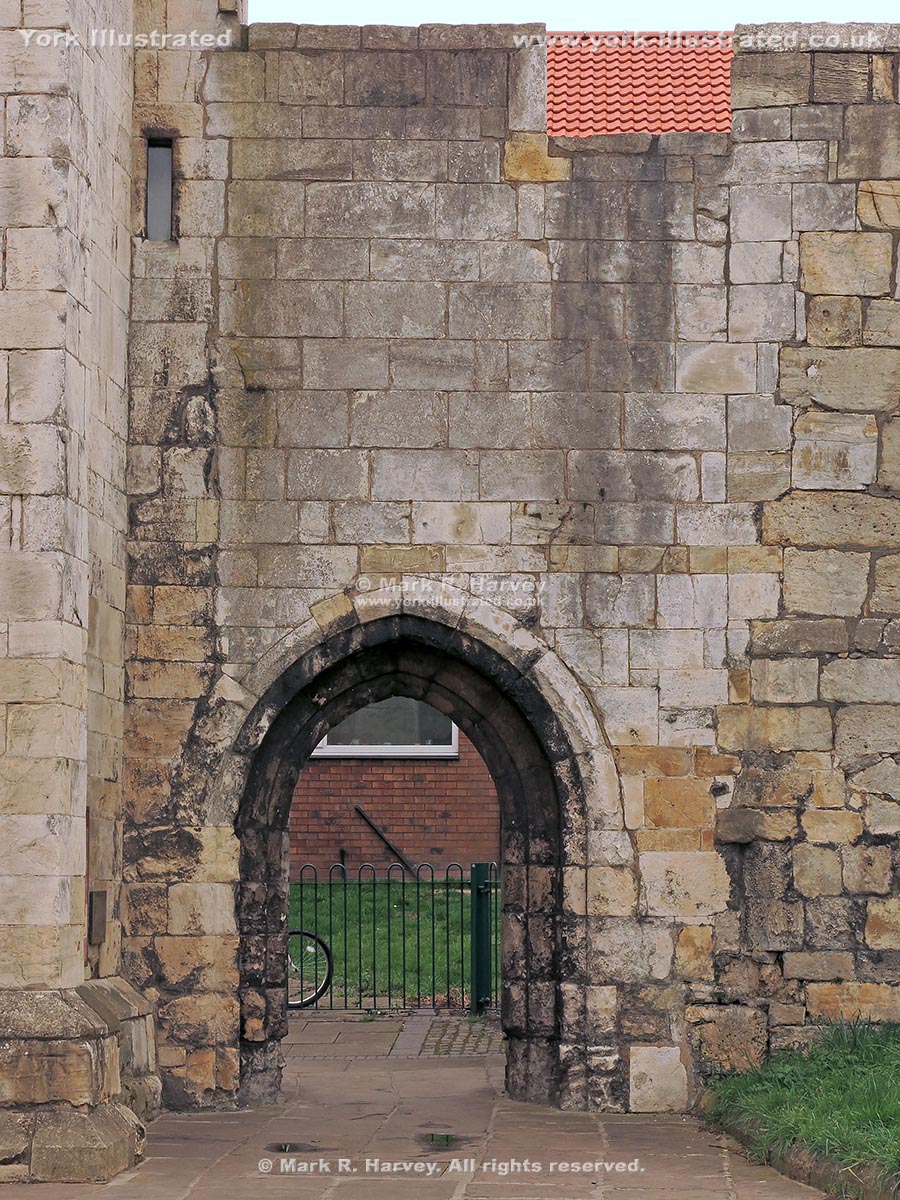
Fishergate Postern

Fishergate Postern was constructed circa 1440. However, it was dismantled and rebuilt approximately sixty-five years later when the adjacent tower was built.

Photo as per caption. Opens larger version.

Micklegate Bar

Micklegate Bar is the grand ceremonial entrance to the city of York. It has protected and controlled the city's southwestern approaches since the 12th century.

Read more

Photo as per caption. Opens larger version.

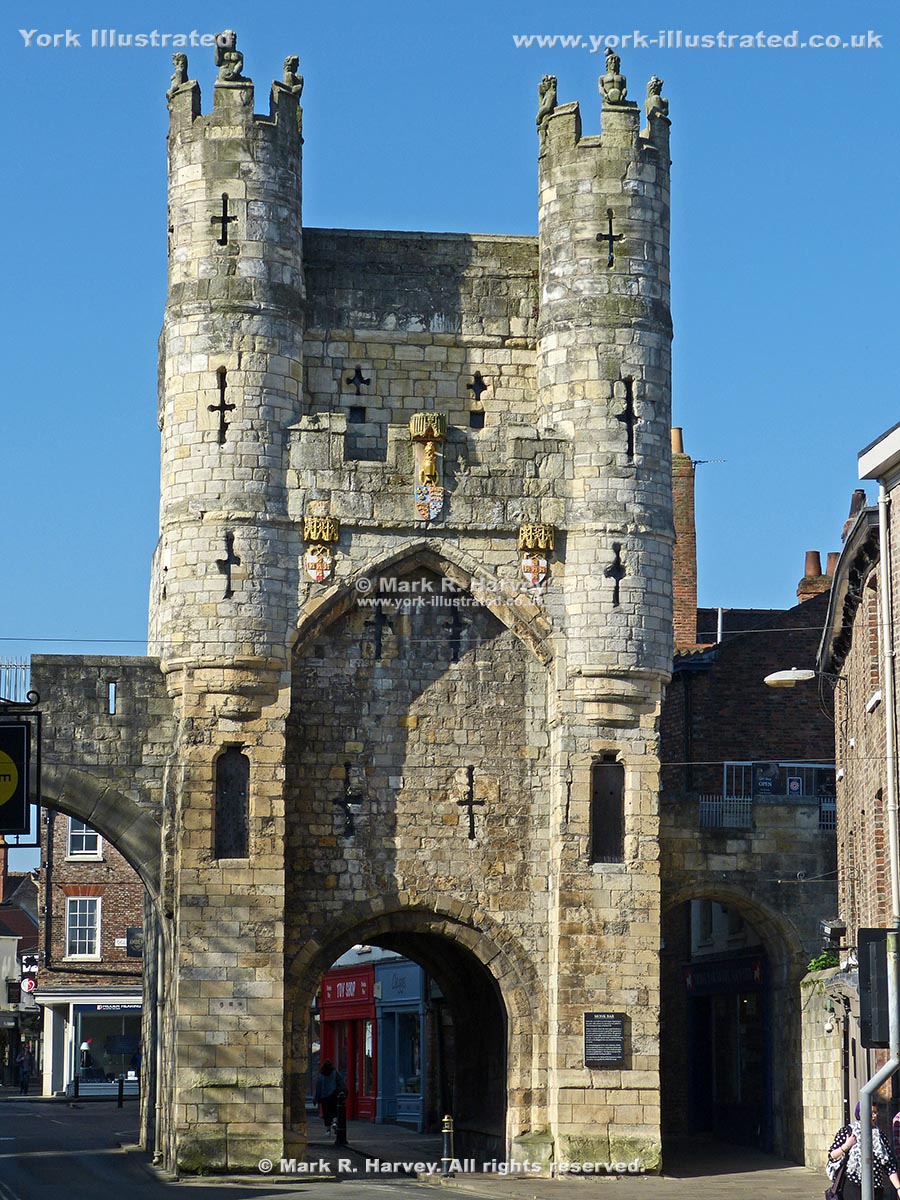
Monk Bar

Monk Bar is the tallest and strongest of the York's four main gateways. It was built in the 14th - 15th centuries to protect the city's northeastern approaches.

Read more

Photo as per caption. Opens larger version.

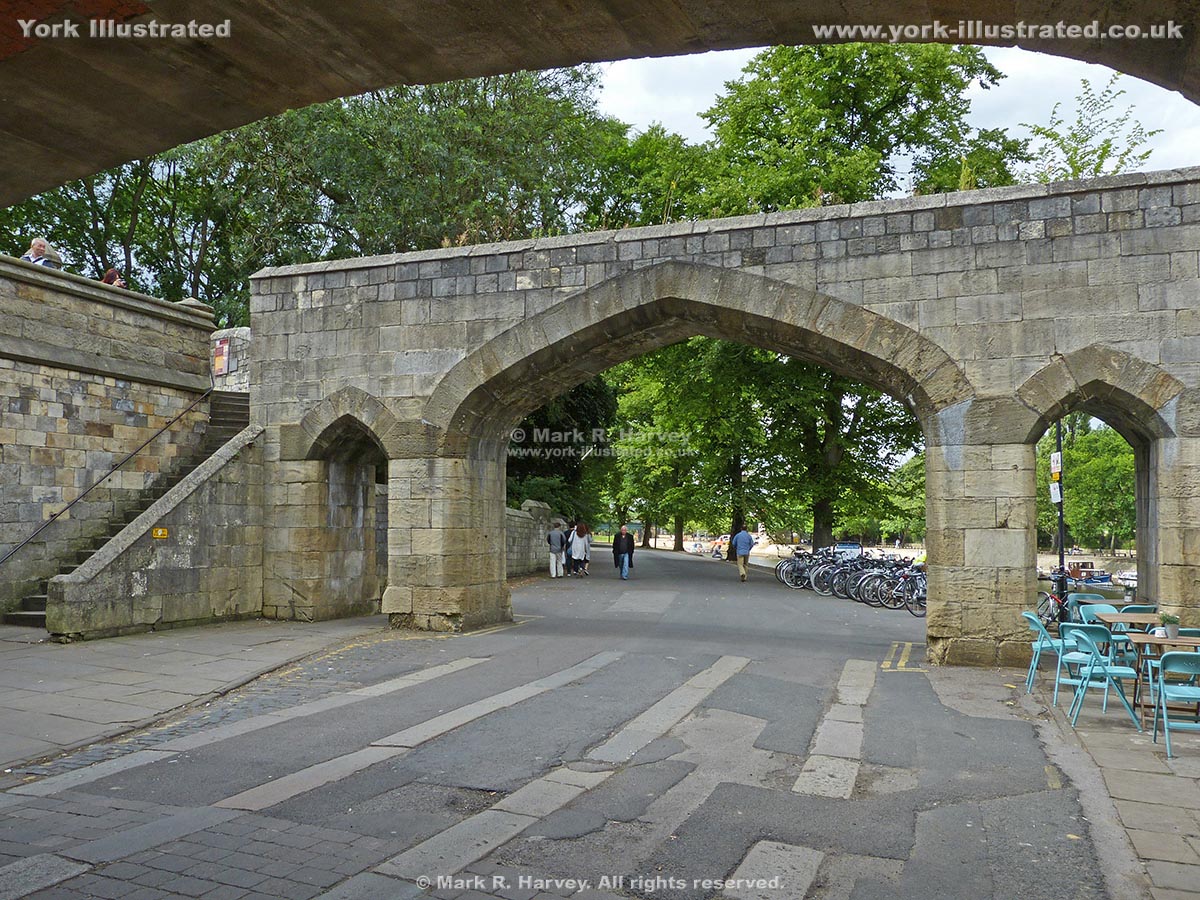
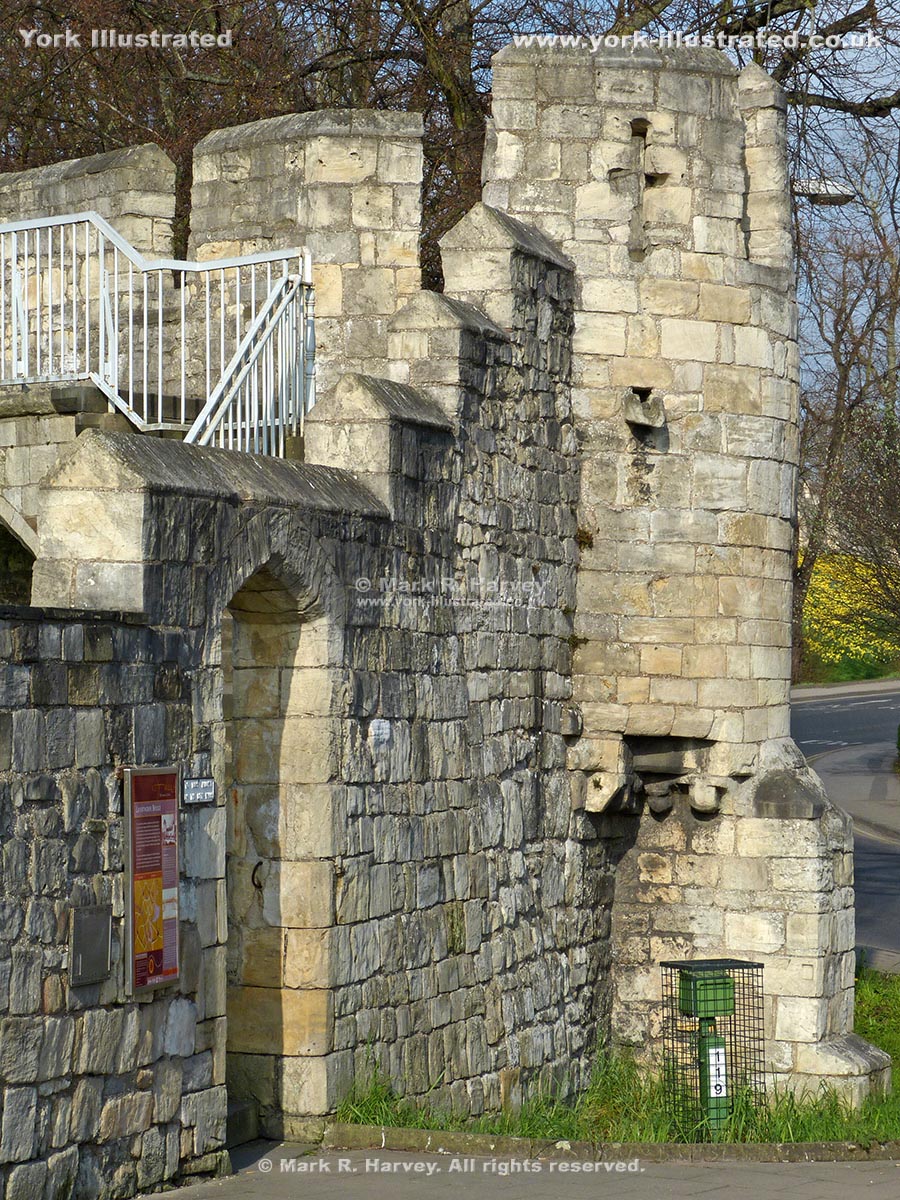
North Street Postern

The triple arch beside Barker Tower dates from the Victorian period. It replaced an earlier small defensive gateway known as North Street Postern.

Read more

Photo as per caption. Opens larger version.

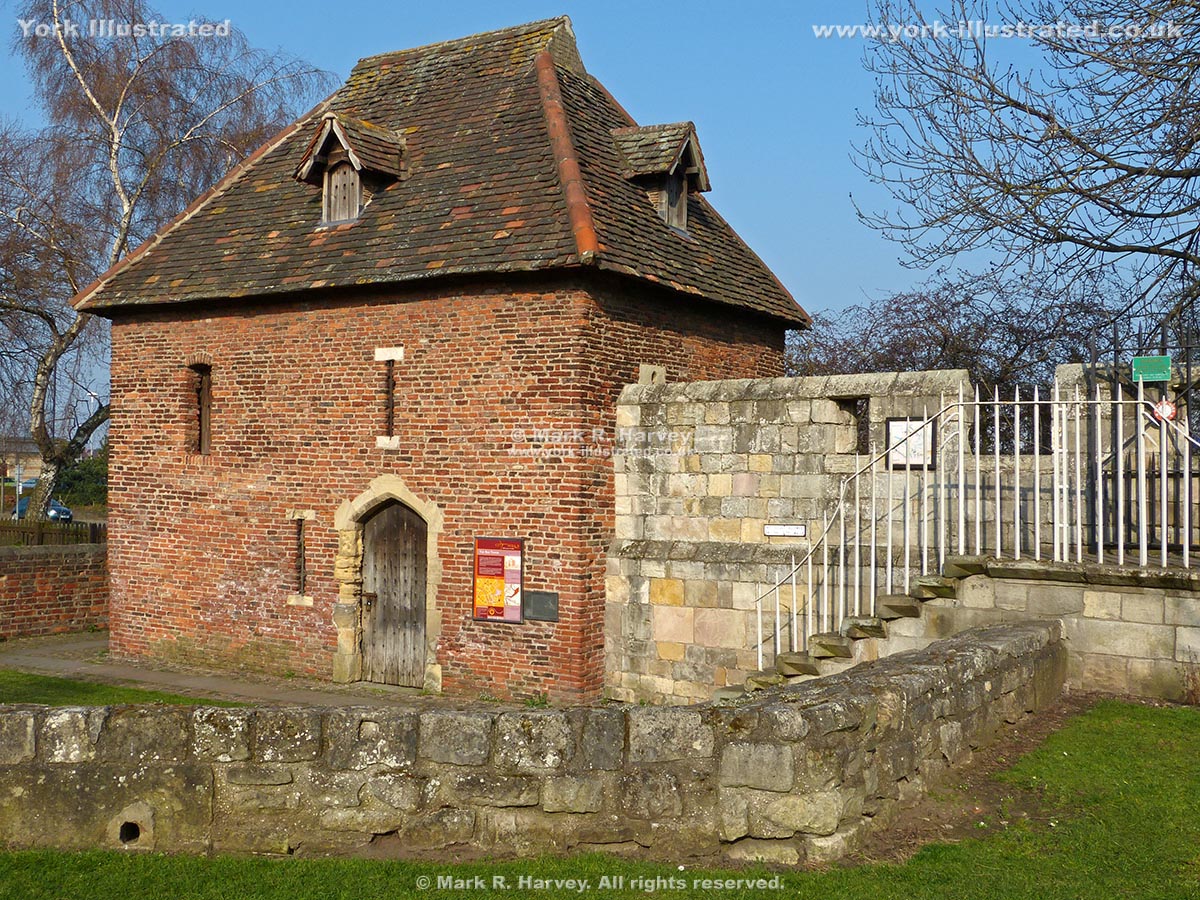
Red Tower

The Red Tower was built circa 1490 to strengthen the city's defences where the south eastern section of the city wall terminated at the edge of the King's Fishpond.

Photo as per caption. Opens larger version.

Skeldergate Wall Walk Access Tower

This octagonal stone tower was constructed in 1878 when the adjacent section of York's City Wall was demolished to facilitate construction of Skeldergate Bridge.

Photo as per caption. Opens larger version.

Station Road Wall Walk Access Ramp

This access point was constructed circa 1863 as part of the Lendal Bridge construction works. It leads to / from one of the most popular sections of York's world-famous Wall Walk.

Photo as per caption. Opens larger version.

Tower 34 (aka Lathorp Tower or Layerthorpe Tower)

Tower 34 (aka Lathorp or Layerthorpe Tower) was constructed in 1370 to strengthen an angle in York's City Wall. Its unique design incorporates re-used stonework.

Read more

Photo as per caption. Opens larger version.

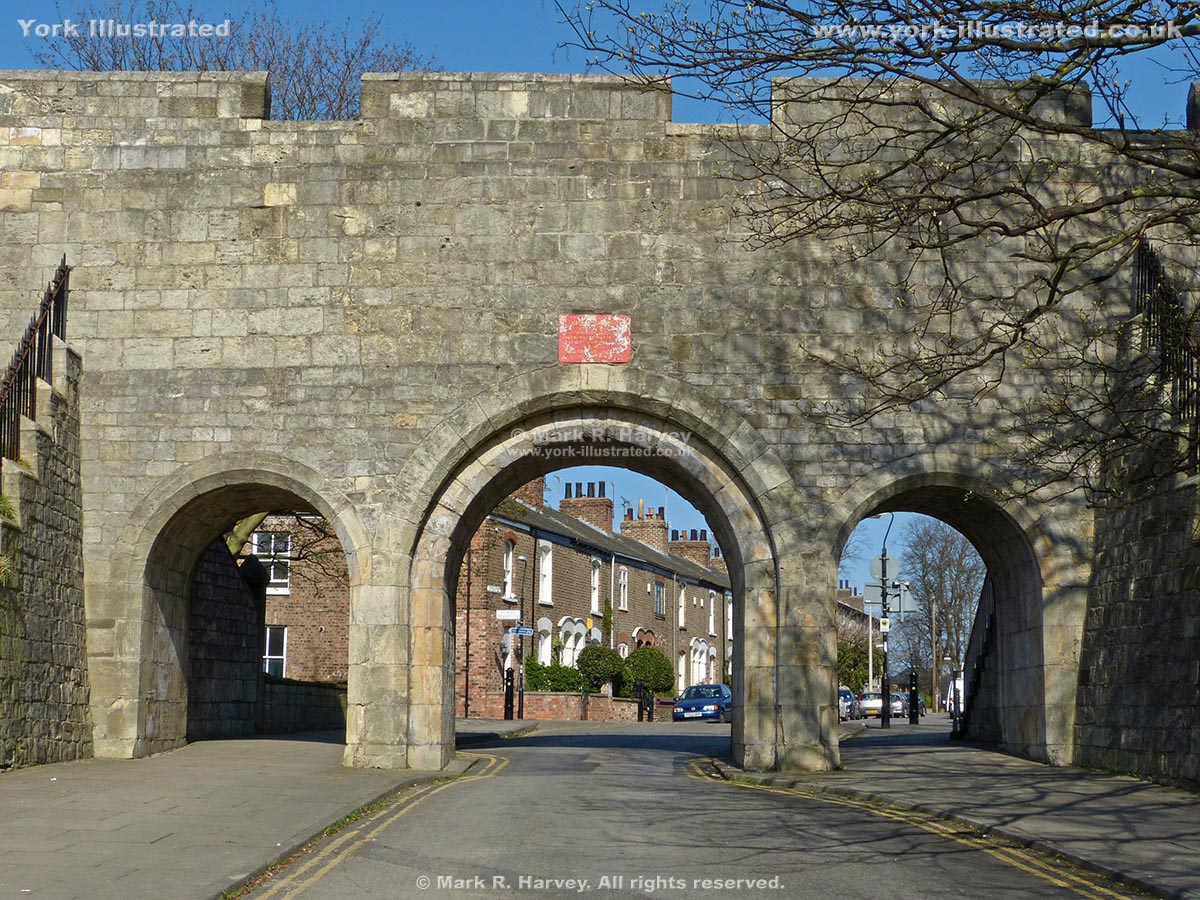
Victoria Bar

The central arch of Victoria Bar was inserted into a plain section of York's City Wall in 1838. During the work, the remains of an earlier gate were discovered.

Read more

Photo as per caption. Opens larger version.

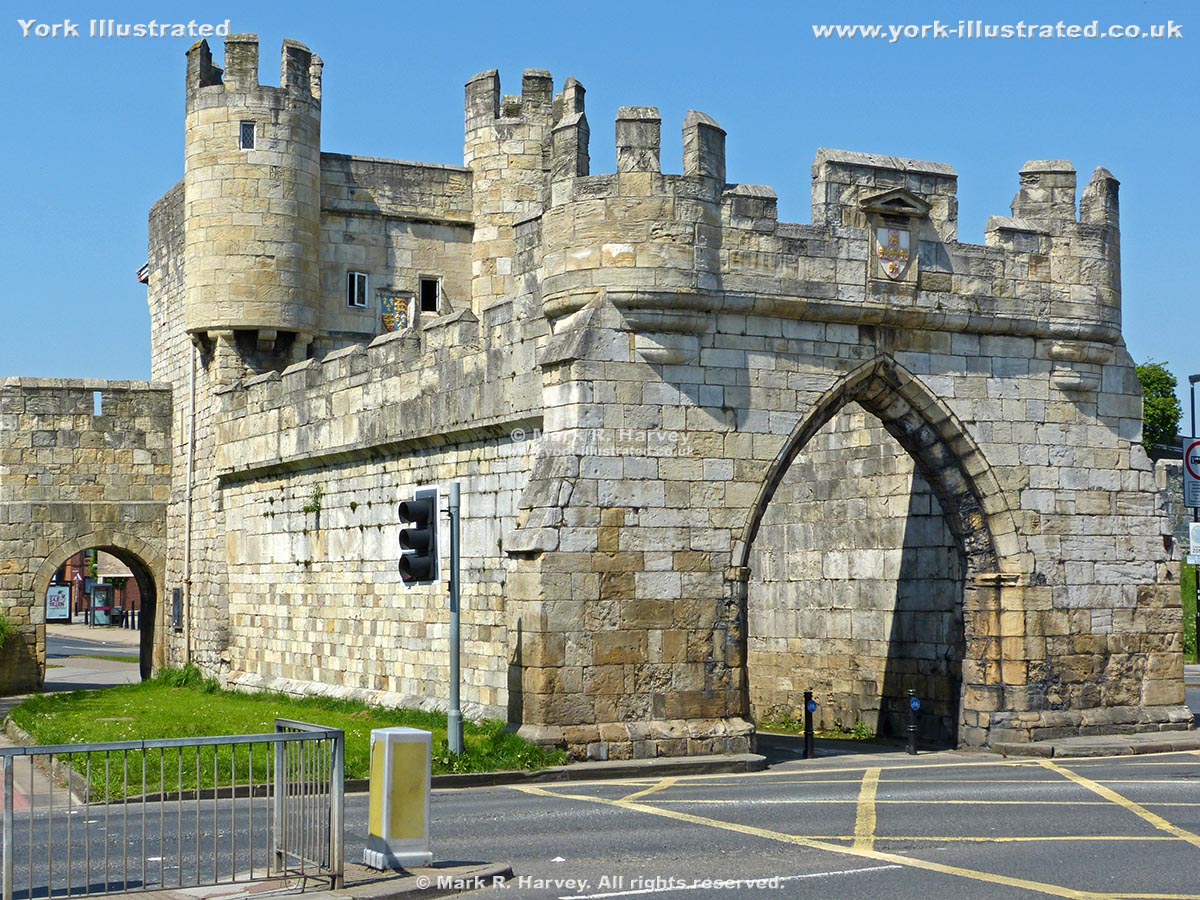
Walmgate Bar

Walmgate Bar is the most complete fortified gateway in the city and the only one to retain its barbican. The latter still bears the scars of the Civil War.

Read more