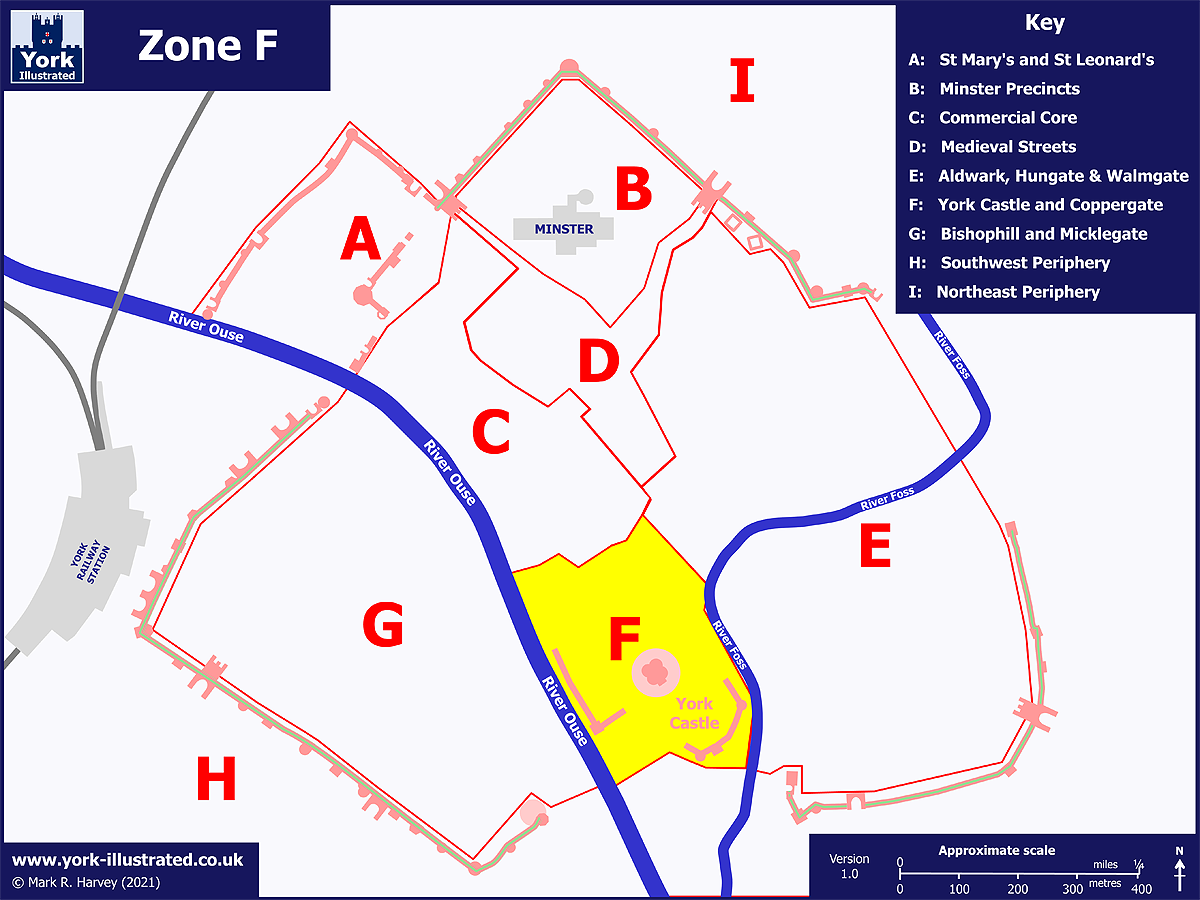
Map as per caption. Opens larger version.
Show / hide tips
  • Every item classified with this term is included in this extract.
  • The items have been grouped by content type, then listed in alphabetical order.
  • To speed-up page-loading, a maximum of 24 locations are displayed on each page.
  • If there are more than 24 items, click / tap on the page navigation buttons (located below the list) to display the additional page(s).
  • To view a larger version of an image, click / tap on the image.
  • To view all available information and images for an item of content, click / tap on its title or 'Read More' link. (If a 'Read more' link is provided, a brief article and / or a high quality external link is available.)
  • To view the locations on interactive maps and aerial imagery, use the 'Explore' app.
Gazetteer Entry

Photo as per caption. Opens larger version.

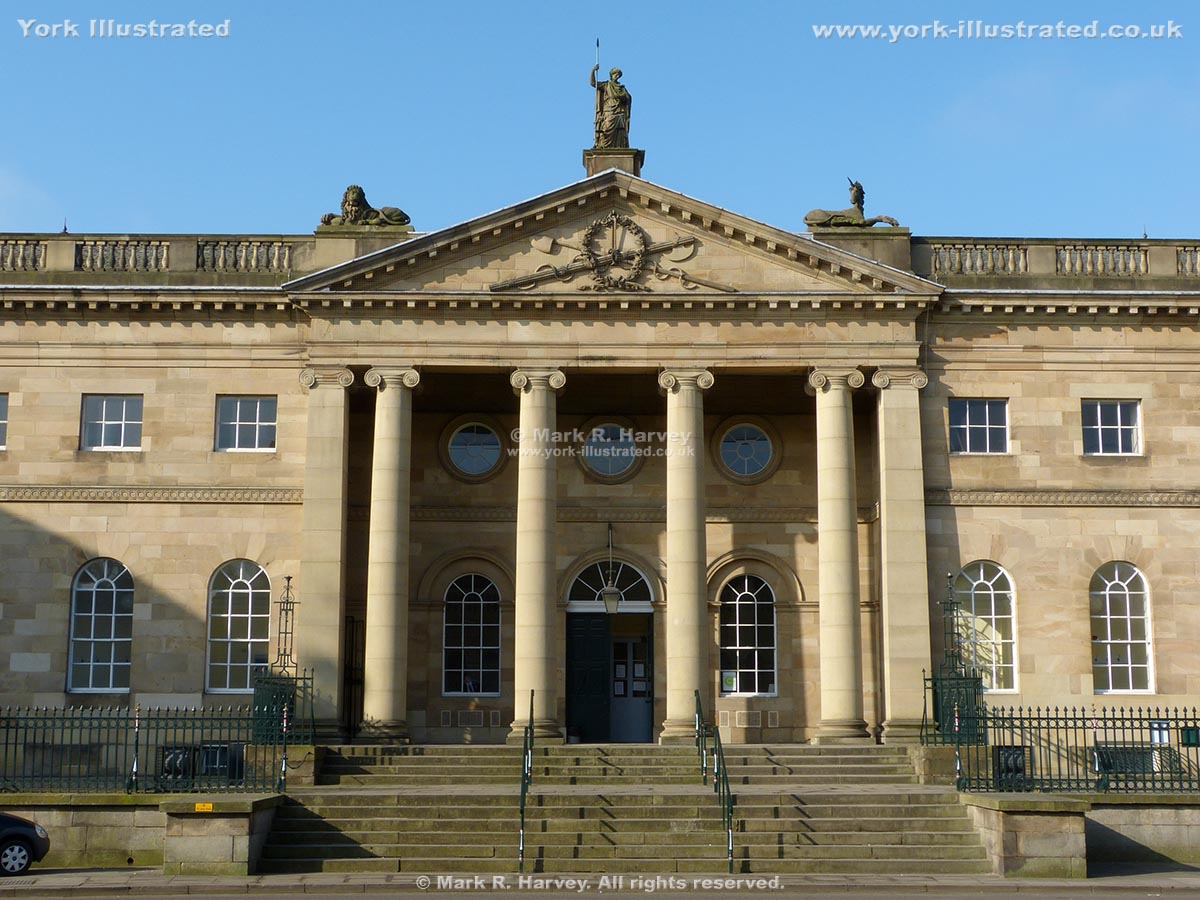
Assize Courts Building (now York Crown Court)

York Castle has been used to dispense 'justice' for almost 1,000 years. The Assize Courts Building in the inner-bailey was constructed between 1773 and 1777.

Read more

Photo as per caption. Opens larger version.

Castlegate

During the Medieval and Tudor periods, Castlegate was the main thoroughfare linking Ouse Bridge and the town centre with the outer bailey of York Castle.

Photo as per caption. Opens larger version.

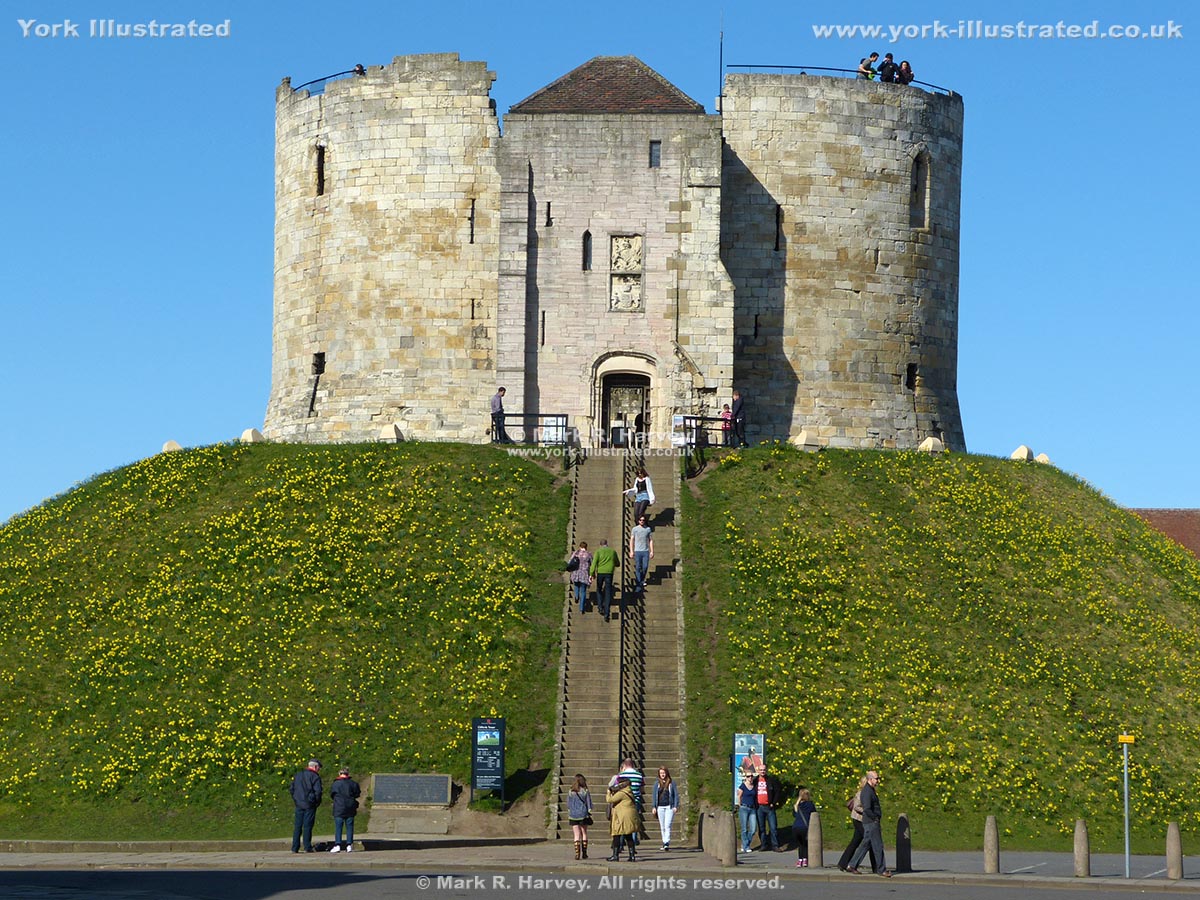
Clifford's Tower

Clifford's Tower (a.k.a. 'the King's Tower' or 'the Great Tower') is the keep of York Castle. Its 'quadrilobate' (four-lobed) design is unique in England.

Read more

Photo as per caption. Opens larger version.

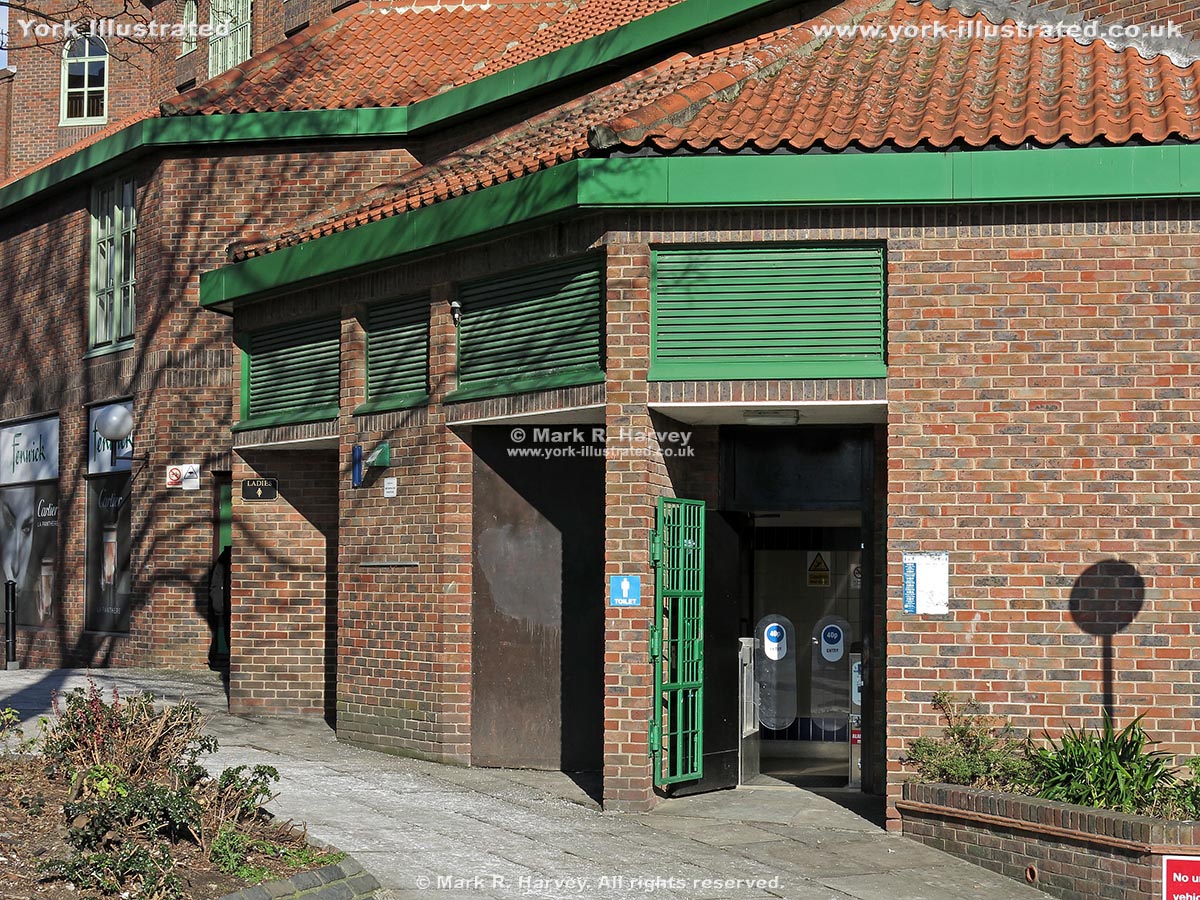
Coppergate Shopping Centre Public Toilets

These conveniences serve the south eastern side of the city centre. They tend to be busy as they serve the Coppergate Shopping Centre and the York Castle area.

Read more

Photo as per caption. Opens larger version.

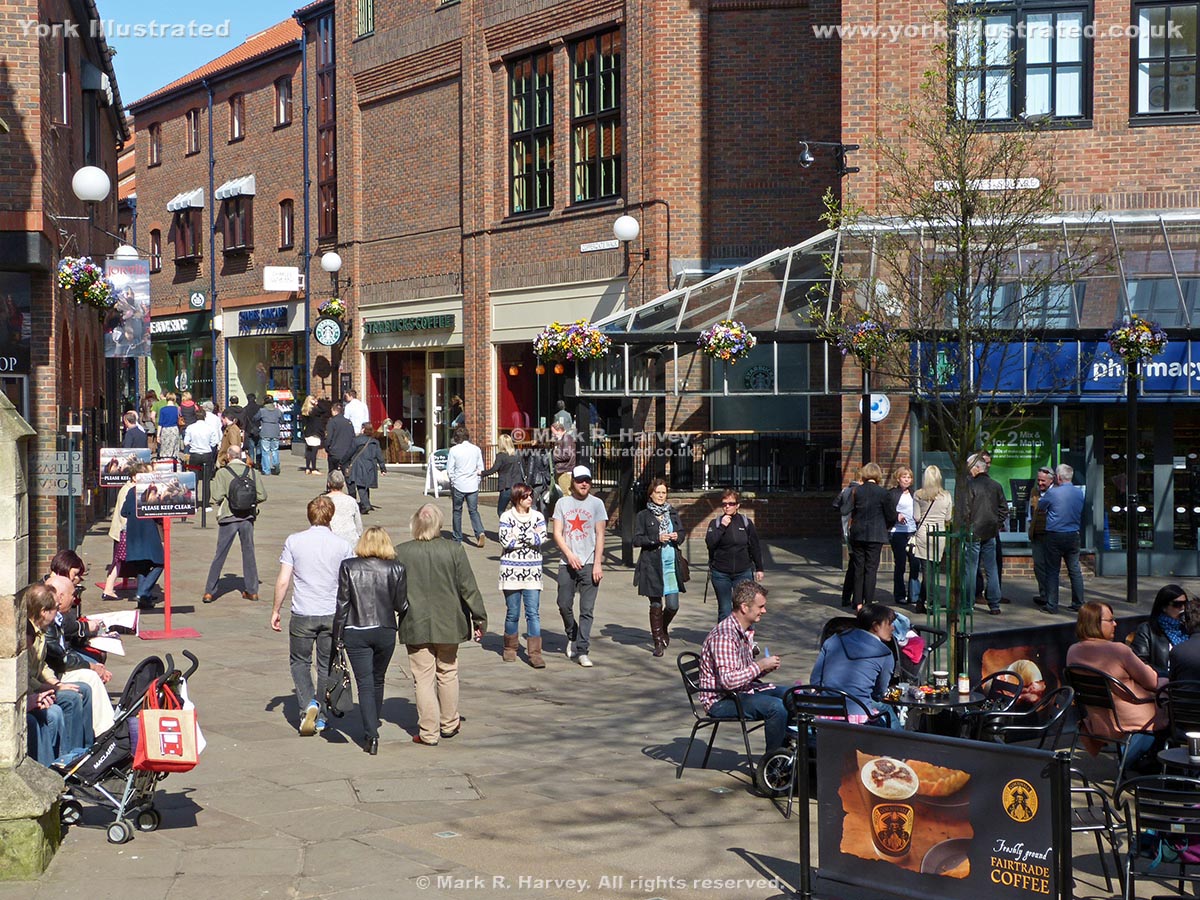
Coppergate Walk and St Mary's Square

Coppergate Walk and St Mary's Square are relatively recent additions to the city's modern shopping area, opening to the public in 1984.

Read more

Photo as per caption. Opens larger version.

Cumberland House

Cumberland House is the oldest surviving commercial riverside building in York. It was built circa 1710 by William Cornwell as his townhouse and warehouse.

Read more

Photo as per caption. Opens larger version.

Davy Tower

The base of Davy Tower dates from the early 14th century. Its alternative name is 'The Tower of the Friars Minor', which referred to a nearby Franciscan Friary.

Photo as per caption. Opens larger version.

Debtors' Prison Building (originally the County Gaol)

The Debtors' Prison was built in the attractive 'English Baroque' style between 1701 and 1705. Originally the County Gaol, it is now part of York Castle Museum.

Read more

Photo as per caption. Opens larger version.

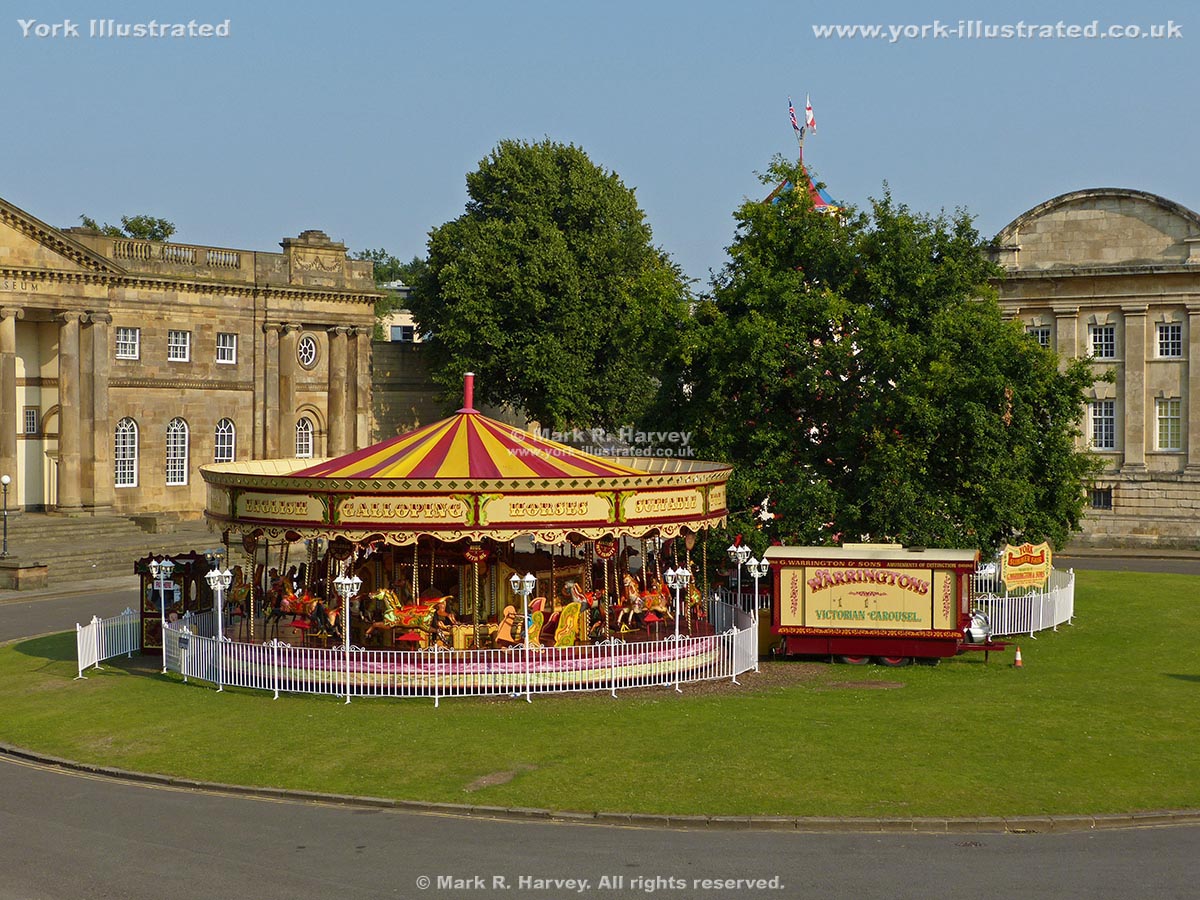
Eye of York

The 'Eye of York' is a small oval of grass in the middle of York Castle's inner bailey. It was previously known as 'Castle Yard', then the 'Eye of the Ridings'.

Read more

Photo as per caption. Opens larger version.

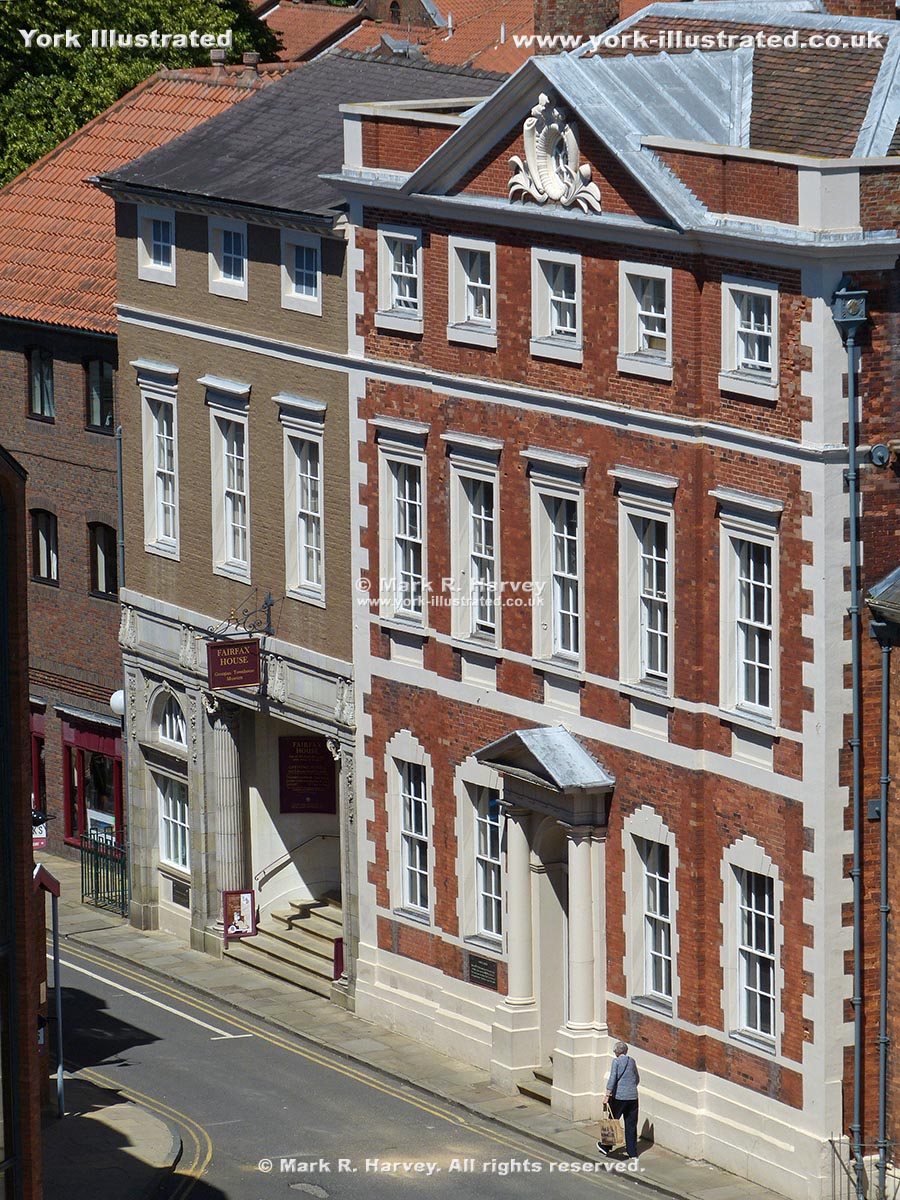
Fairfax House

Fairfax House is an attractive Georgian town house on Castlegate. It was constructed between 1755 & 1762 to a design by John Carr. It is now a museum.

Read more

Photo as per caption. Opens larger version.

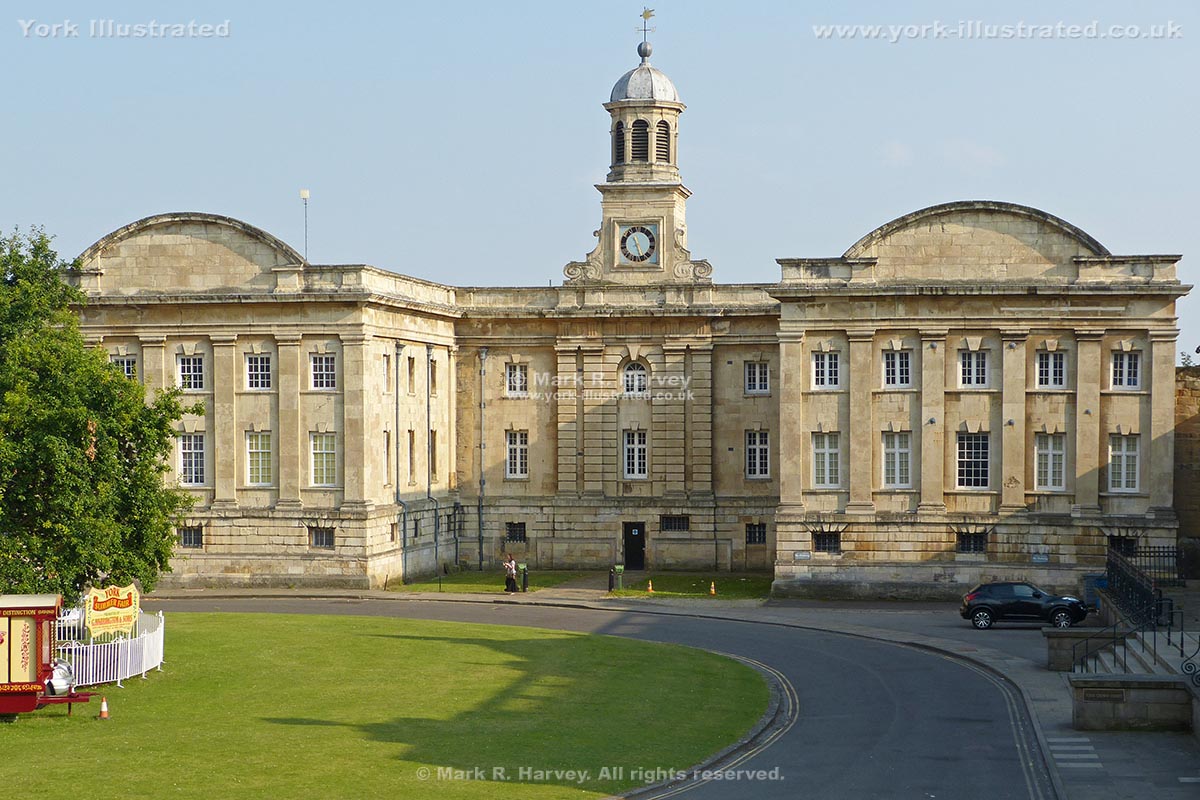
Female Prison Building

The central section of York's Female Prison was built between 1780 and 1783. The two wings were added in 1802. The podium and steps were added circa 1820-1850.

Read more

Photo as per caption. Opens larger version.

Jewish Massacre Memorial

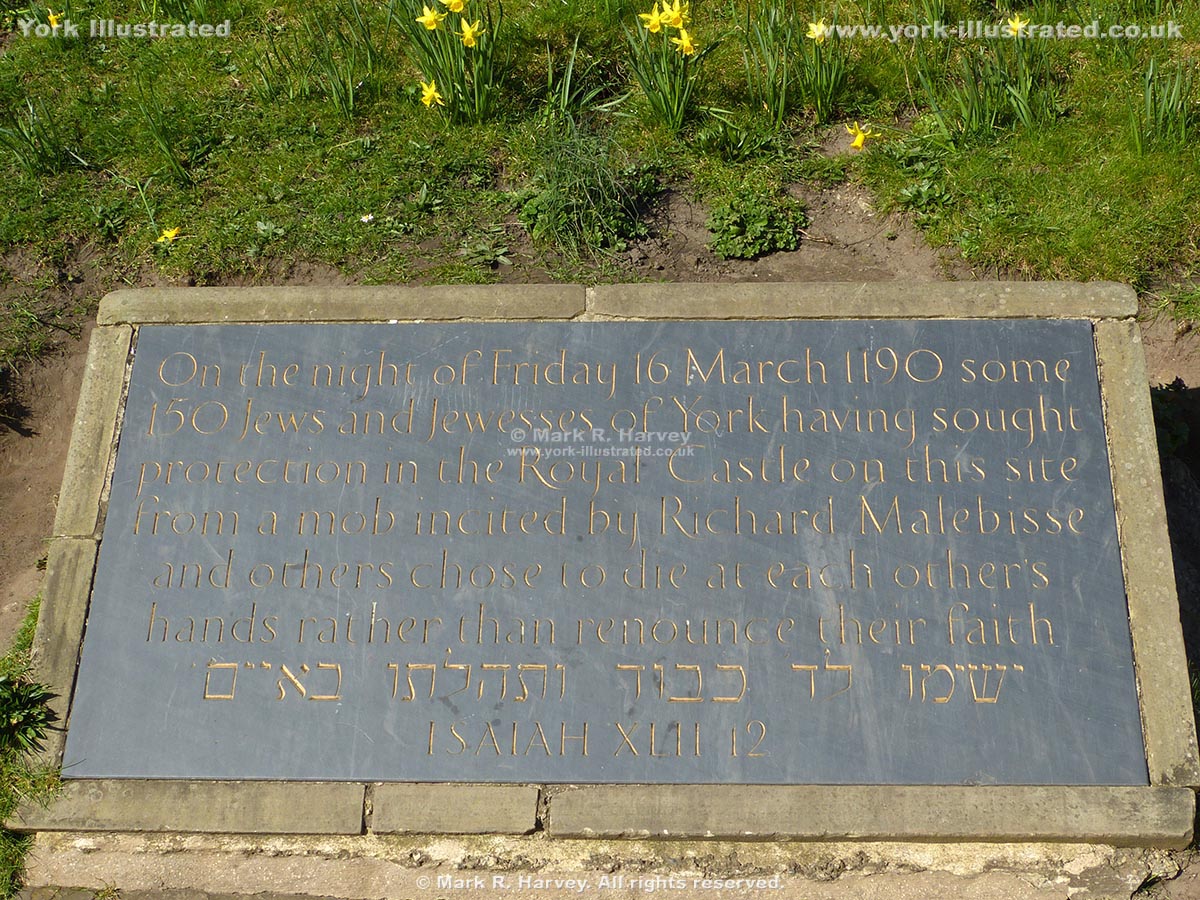
A plaque commemorating the Jewish population of York who died in 1190 during a period of civil disorder that has become known as 'the Massacre of the Jews'.

Read more

Photo as per caption. Opens larger version.

Jorvik Viking Centre

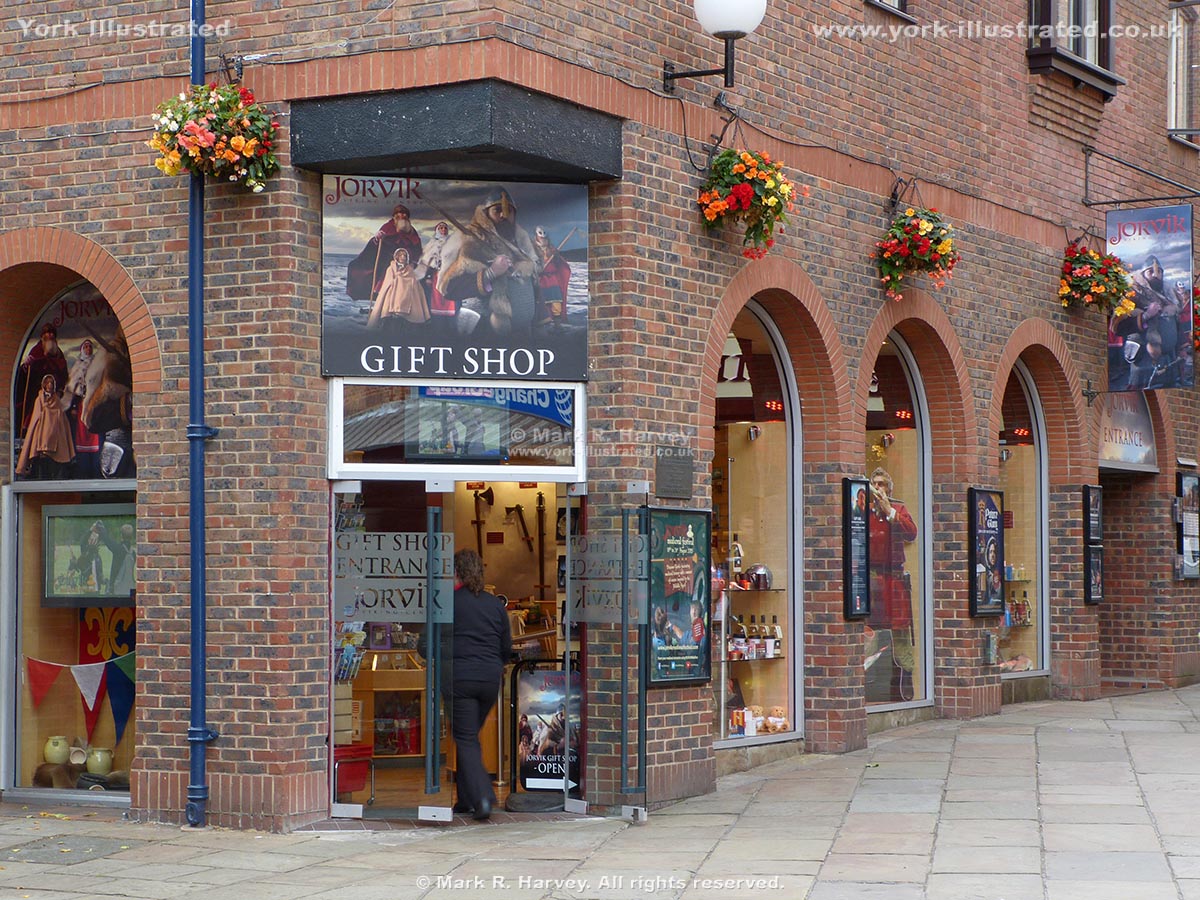
The Jorvik Viking Centre is a purpose-built visitor attraction that tells the story of the Coppergate area of York during the tenth century.

Read more

Photo as per caption. Opens larger version.

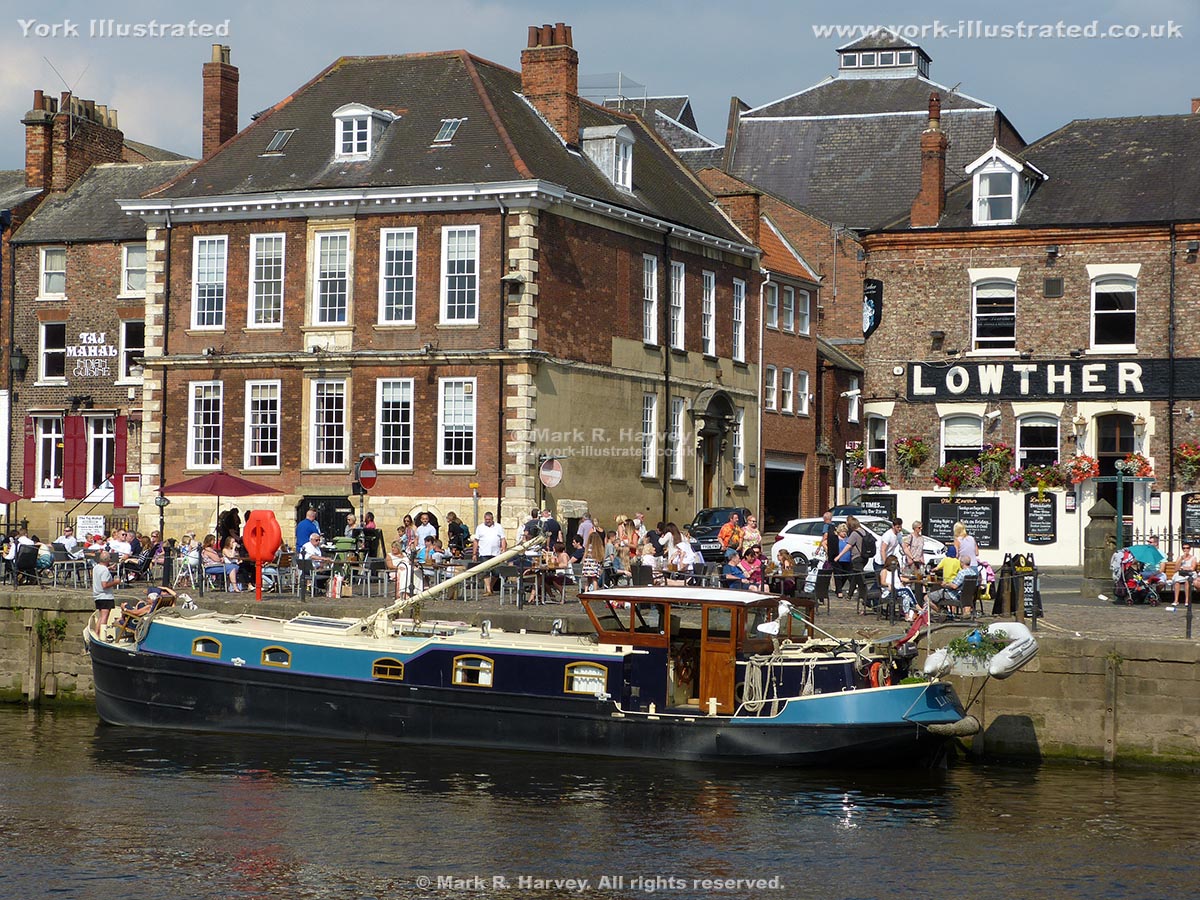
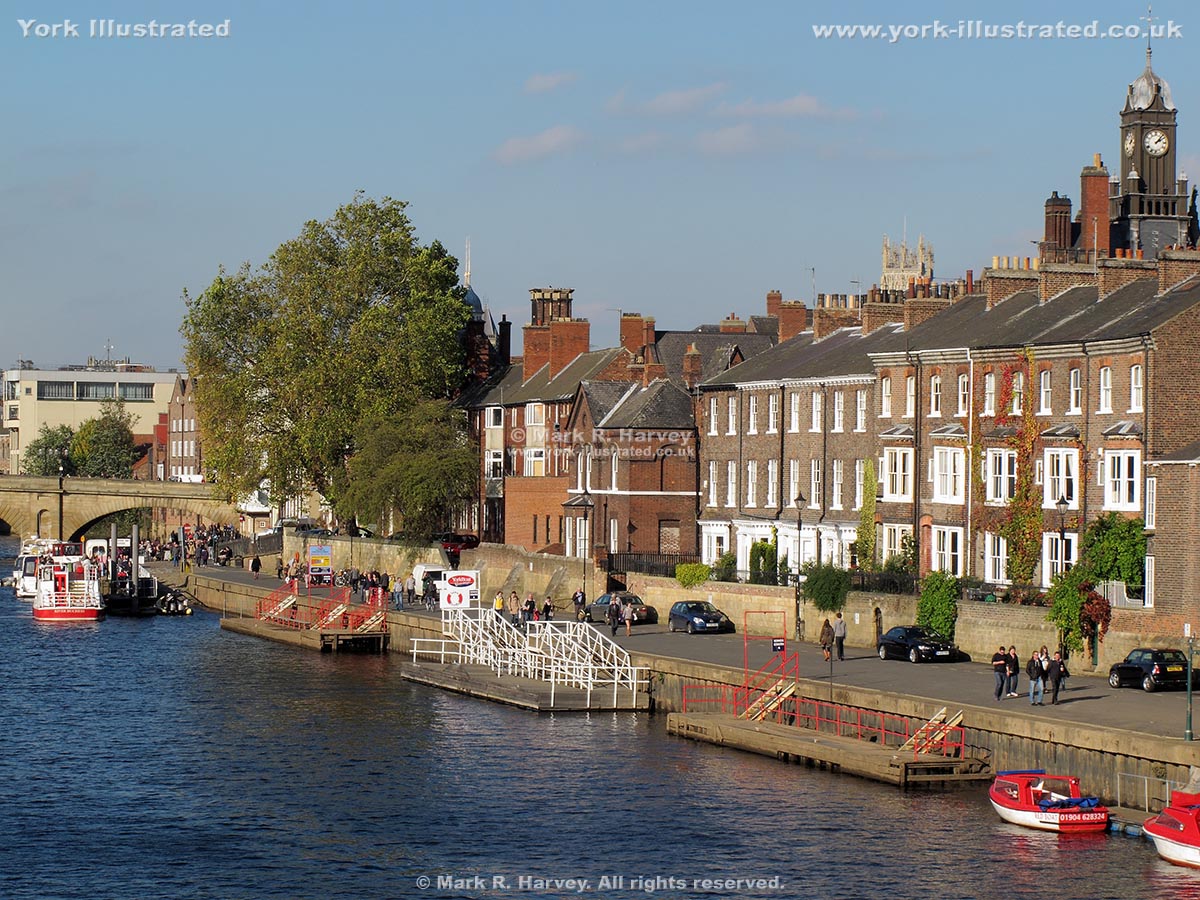
King's Staith

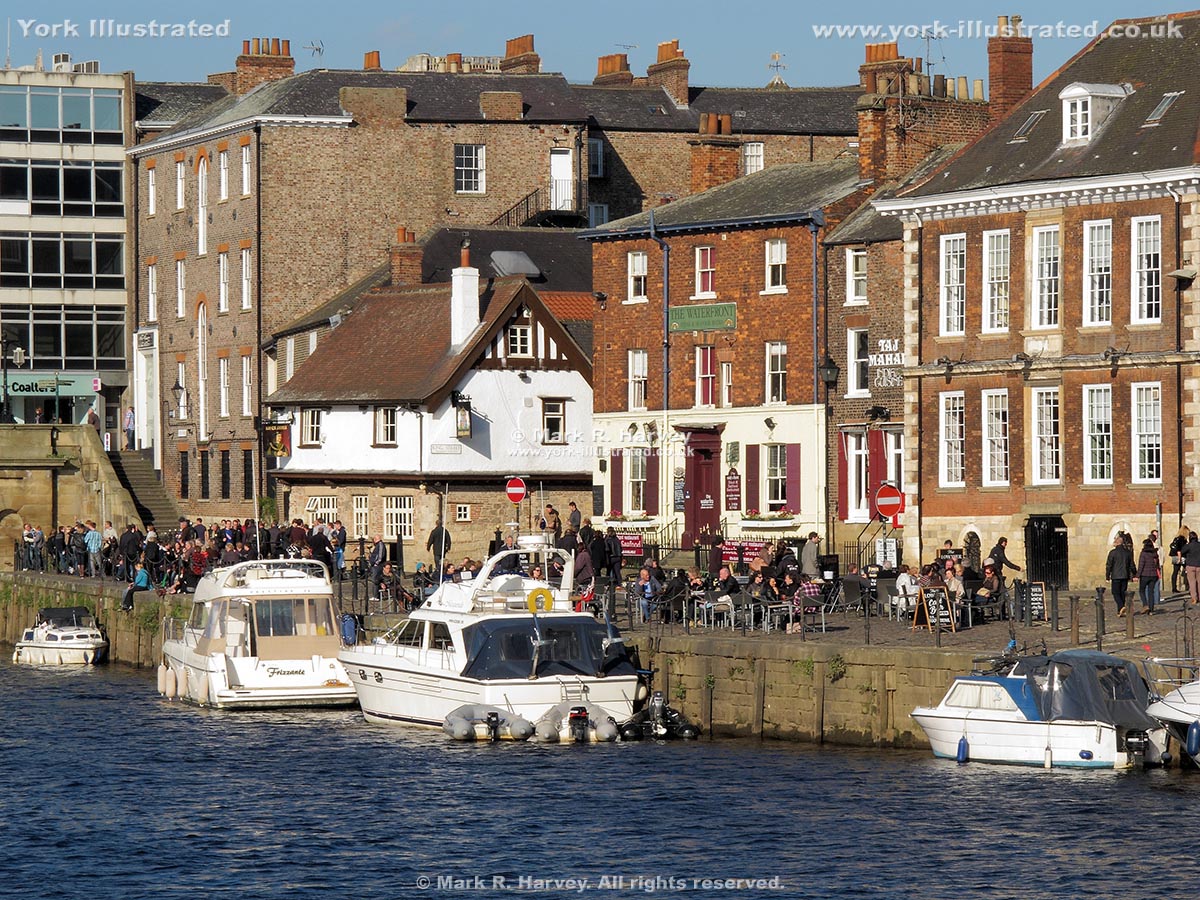
King's Staith was the city's main quayside during the medieval period. It is now a popular and characterful leisure location (except when the River Ouse is in flood).

Read more

Photo as per caption. Opens larger version.

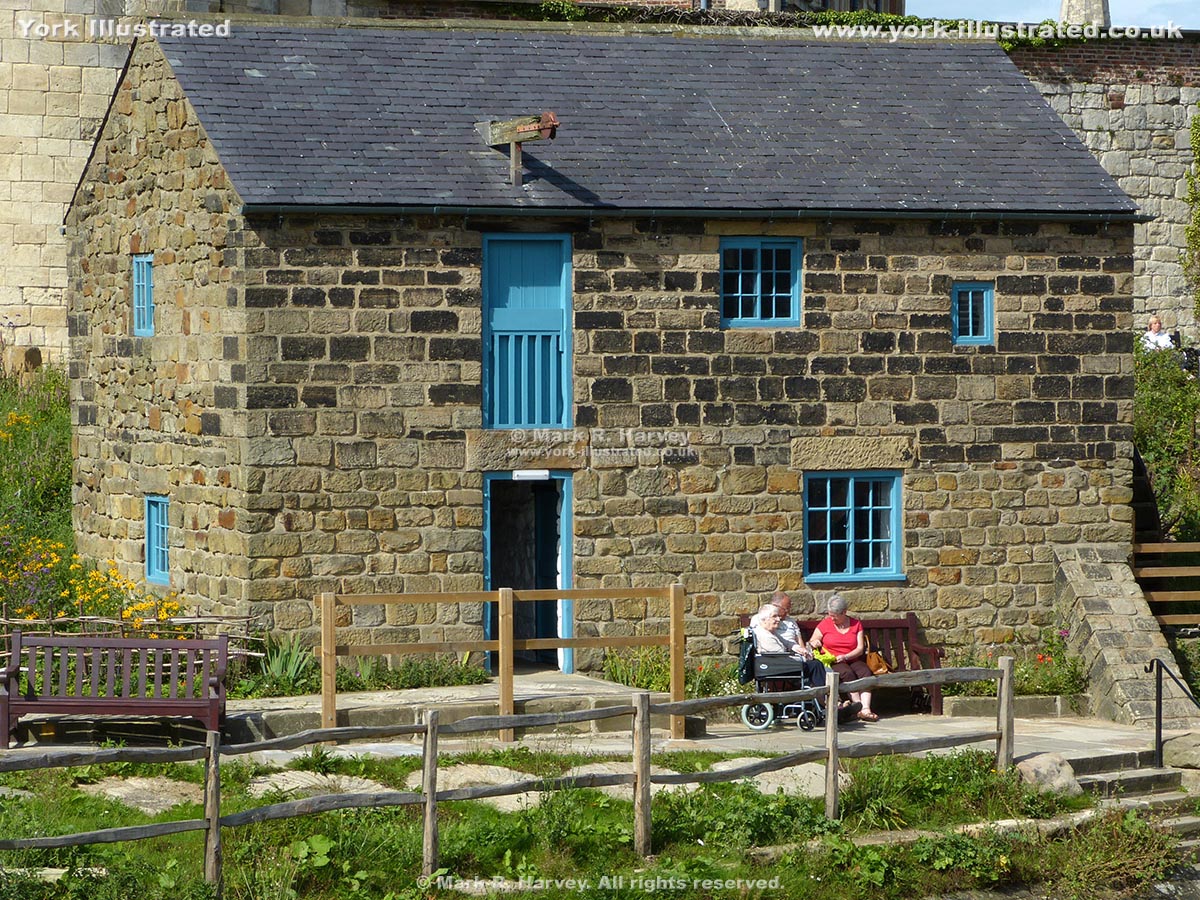
Raindale Mill

Raindale Mill is a relocated water-powered flour mill. It forms part of York Castle Museum and the machinery is operated occasionally by volunteers.

Read more

Photo as per caption. Opens larger version.

South Esplanade

The South Esplanade is a short, virtually traffic-free street on the north-eastern bank of the River Ouse between Tower Gardens and the King's Staith.

Read more

Photo as per caption. Opens larger version.

Tower Gardens

The mature trees, colourful shrubs, and convenient location (between Clifford's Tower and the River Ouse) make Tower Gardens a popular spot on a warm sunny day.

Read more

Photo as per caption. Opens larger version.

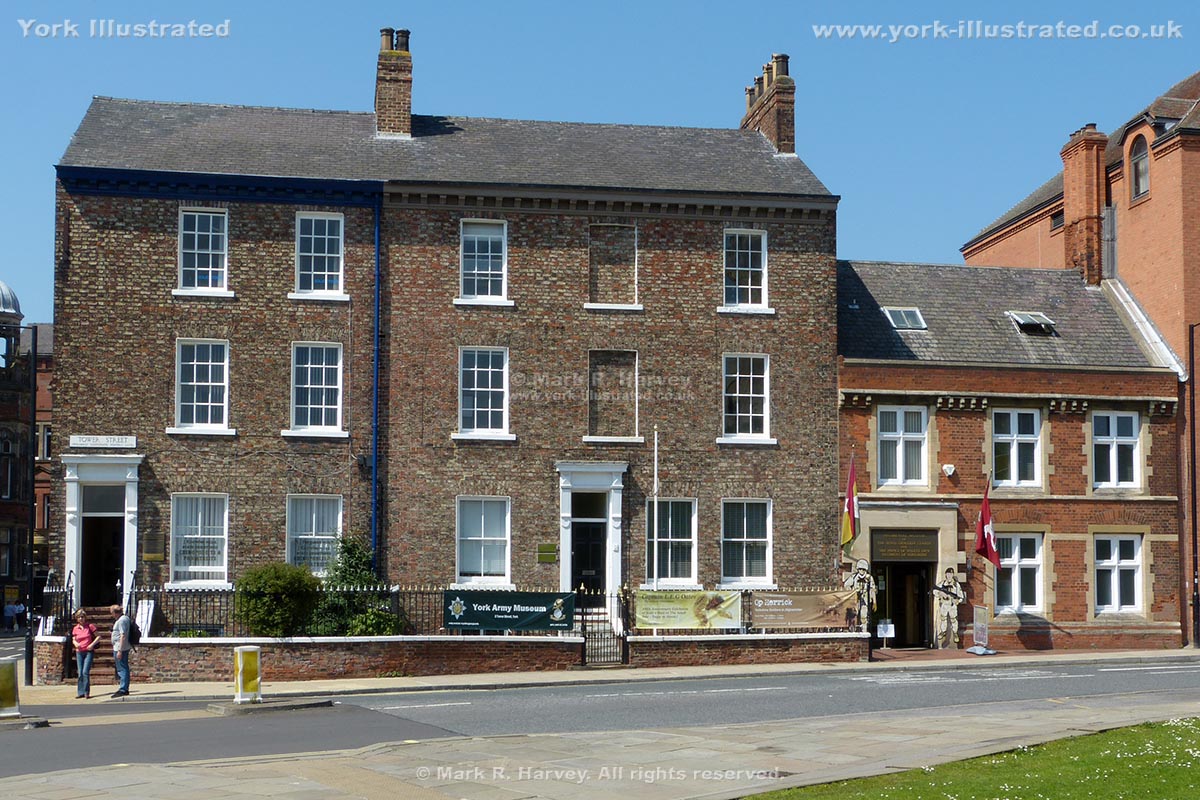
York Army Museum

The York Army Museum on Tower Street houses the collections of The Royal Dragoon Guards, The Yorkshire Regiment and Prince of Wales’s Own Regiment of Yorkshire.

Read more

Photo as per caption. Opens larger version.

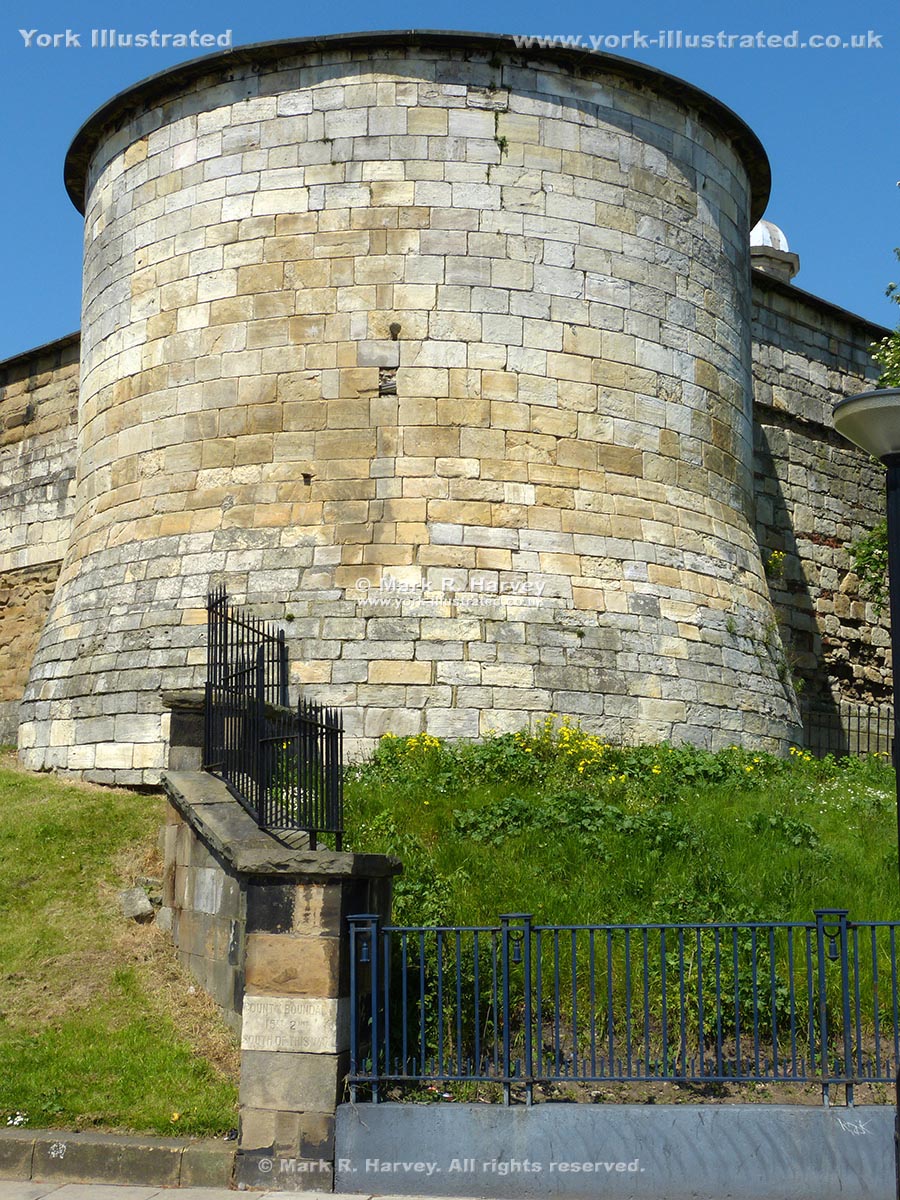
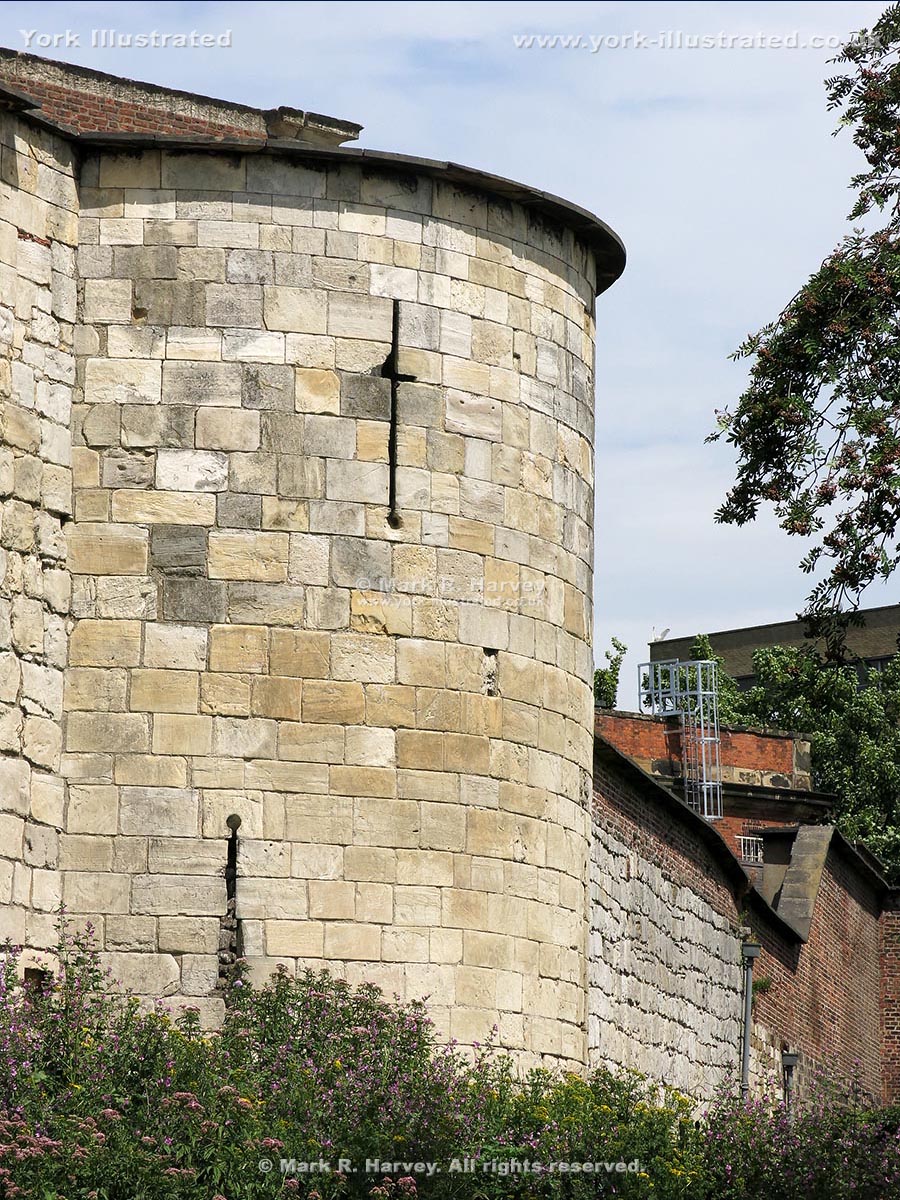
York Castle Inner Bailey South Angle Tower

The South Angle Tower forms part of the perimeter defences for York Castle's inner bailey. It was built in the thirteenth century on the orders of Henry III.

Read more

Photo as per caption. Opens larger version.

York Castle Inner Bailey Southeast Tower

The semicircular Southeast Tower forms part of the 13th century perimeter defences for York Castle's inner bailey. The standing remains are all grade I listed.

Read more

Photo as per caption. Opens larger version.

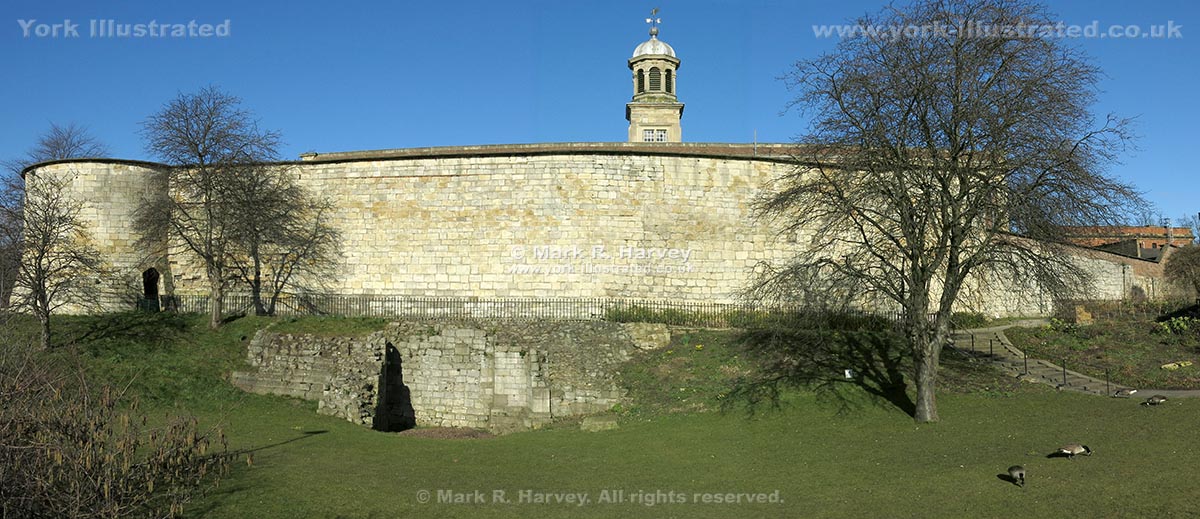
York Castle Inner Bailey Walls

During the 13th-century, many of York Castle's timber fortifications were rebuilt in stone. The inner bailey walls are believed to date from this period.

Read more

Photo as per caption. Opens larger version.

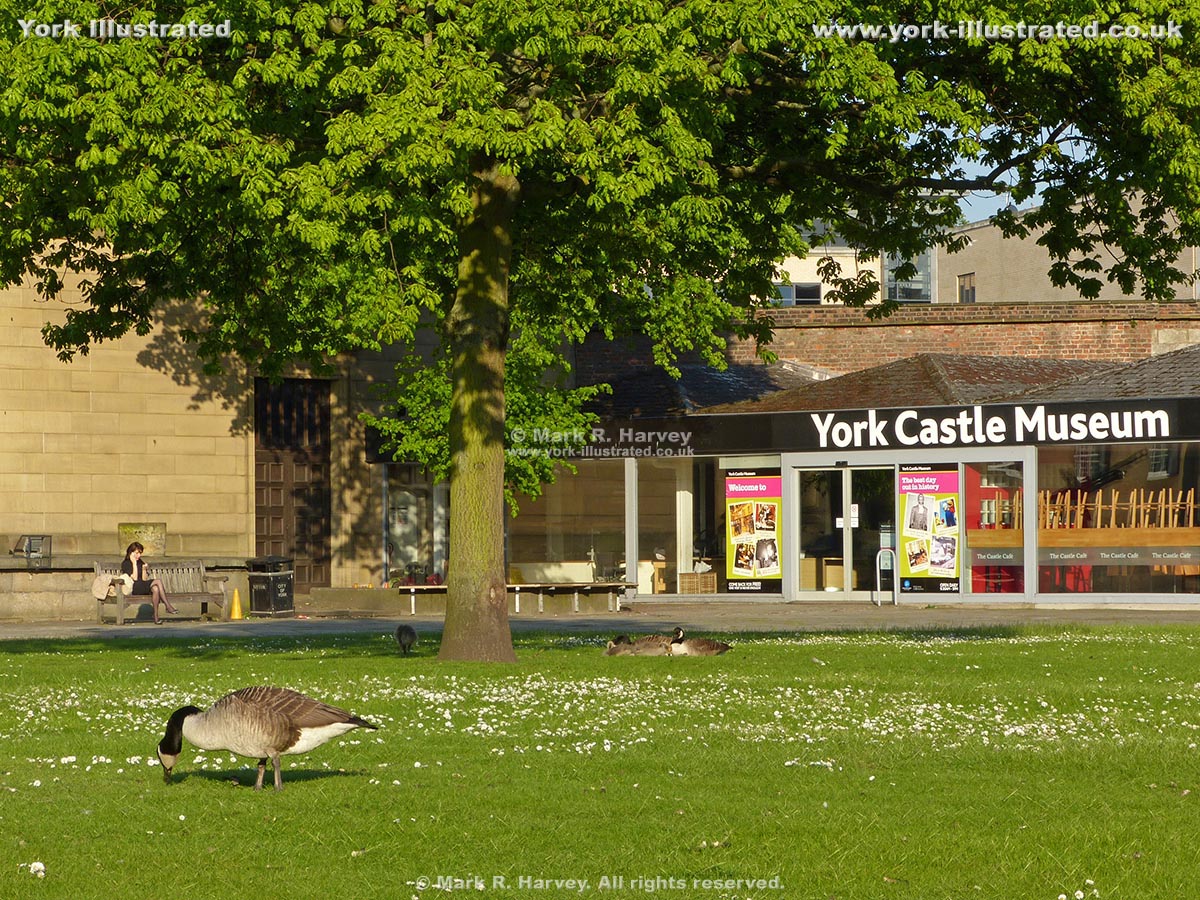
York Castle Museum

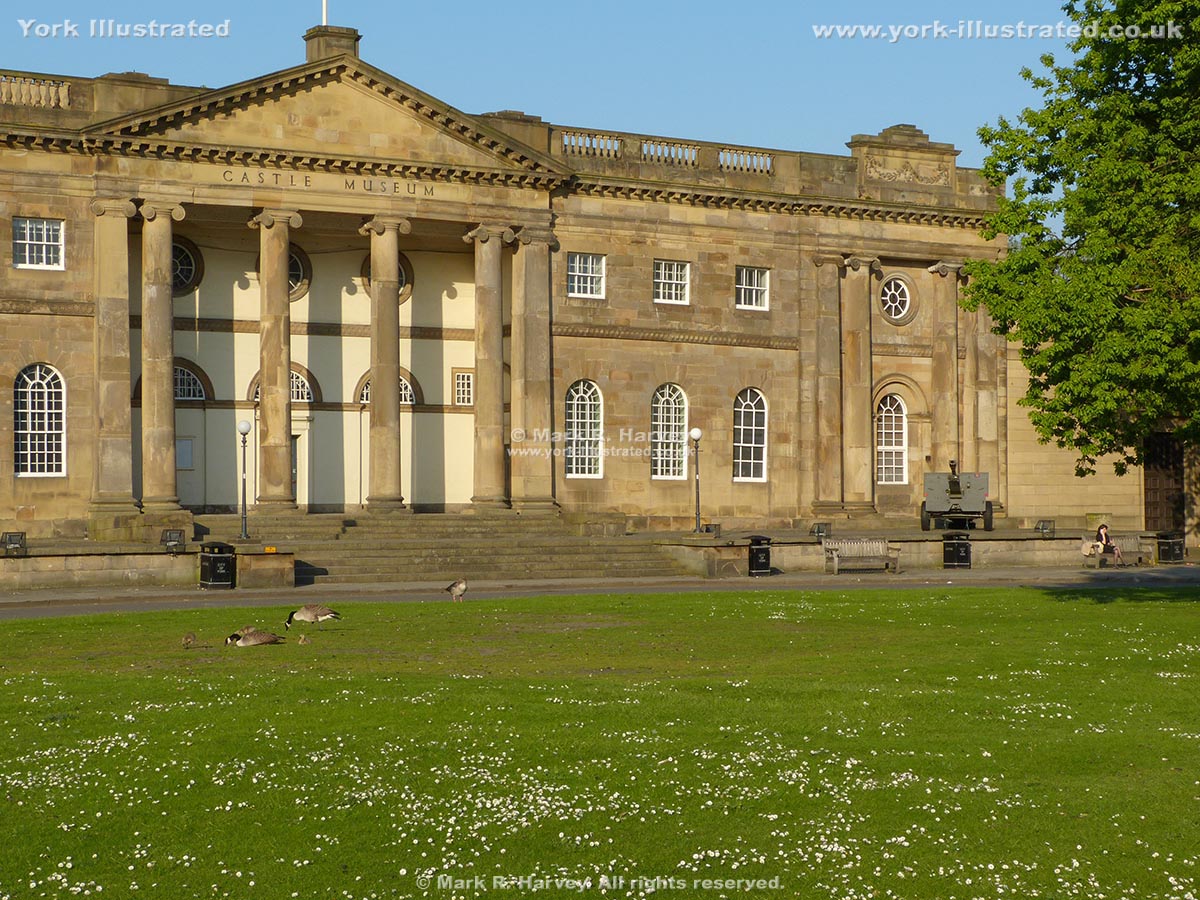
York Castle Museum stands within the grounds of York Castle (hence its name). The museum focusses on social history and the everyday lives of Yorkshire people.

Read more

Photo as per caption. Opens larger version.

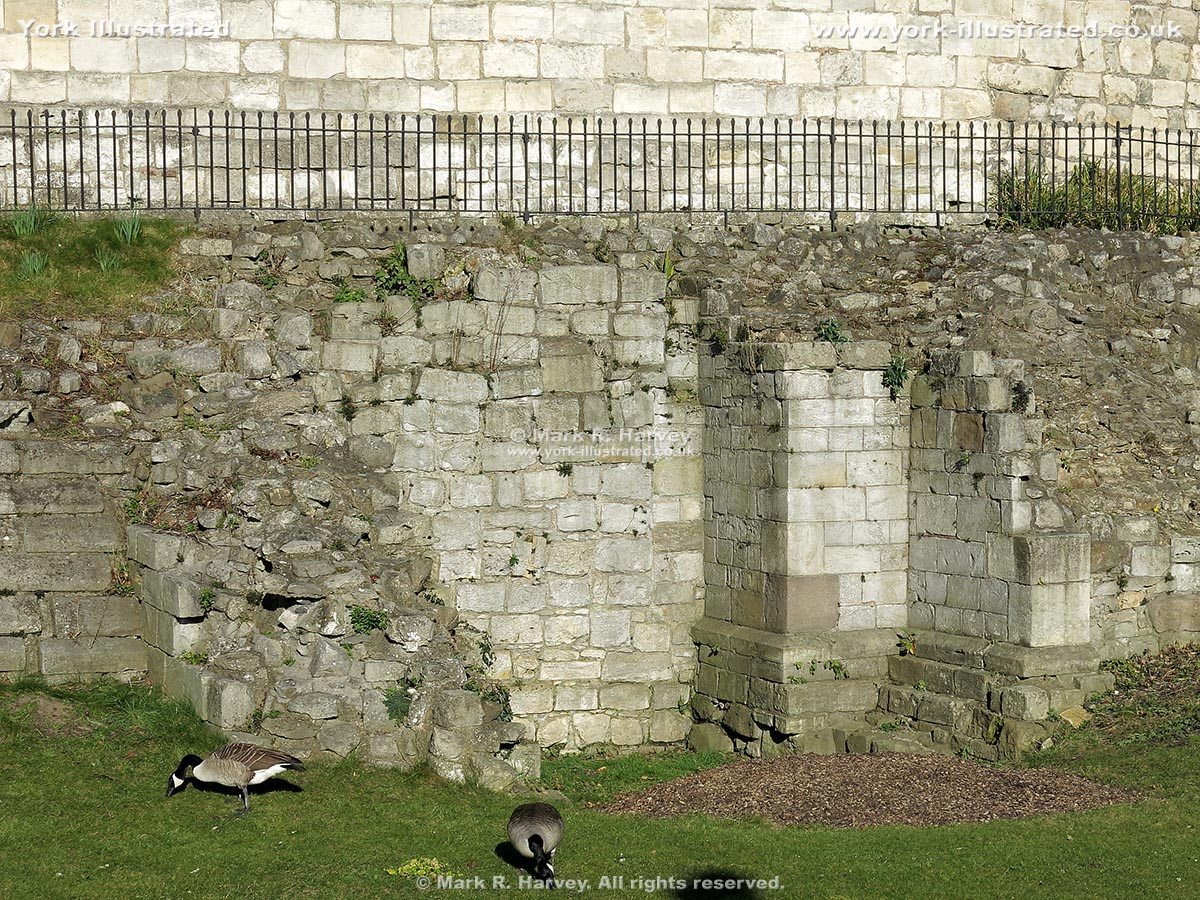
York Castle South Gate Foundations and Drawbridge Pit

The only remains of York Castle's 14th century south gate are the foundations and part of the 12 feet deep drawbridge pit. The rest was demolished circa 1701-1708.

Read more