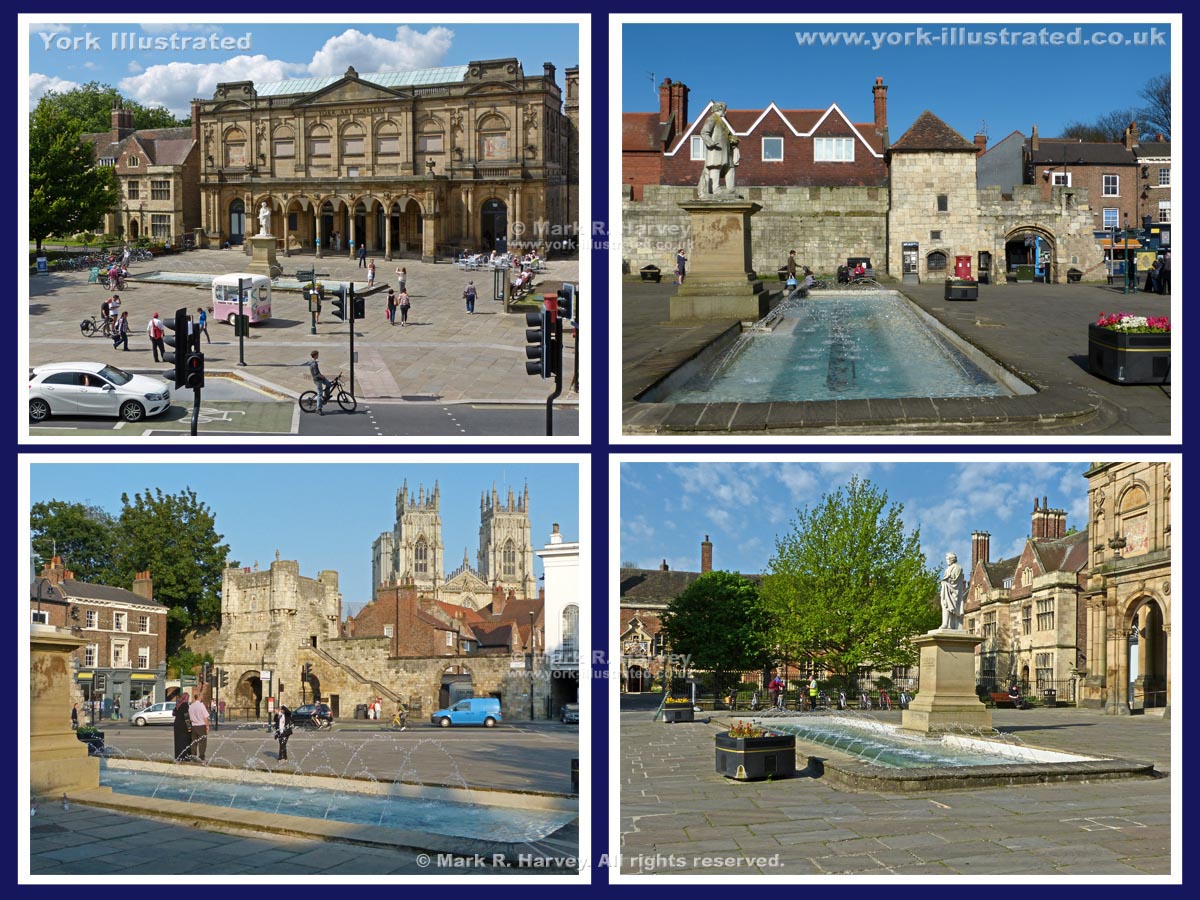
An introductory post consisting of a few short paragraphs, plus at least two images.

Show / hide tips
  • Every item classified with this term is included in this extract.
  • The items have been grouped by content type, then listed in alphabetical order.
  • To speed-up page-loading, a maximum of 24 locations are displayed on each page.
  • If there are more than 24 items, click / tap on the page navigation buttons (located below the list) to display the additional page(s).
  • To view a larger version of an image, click / tap on the image.
  • To view all available information and images for an item of content, click / tap on its title or 'Read More' link. (If a 'Read more' link is provided, a brief article and / or a high quality external link is available.)
  • To view the locations on interactive maps and aerial imagery, use the 'Explore' app.
Gazetteer Entry

Photo as per caption. Opens larger version.

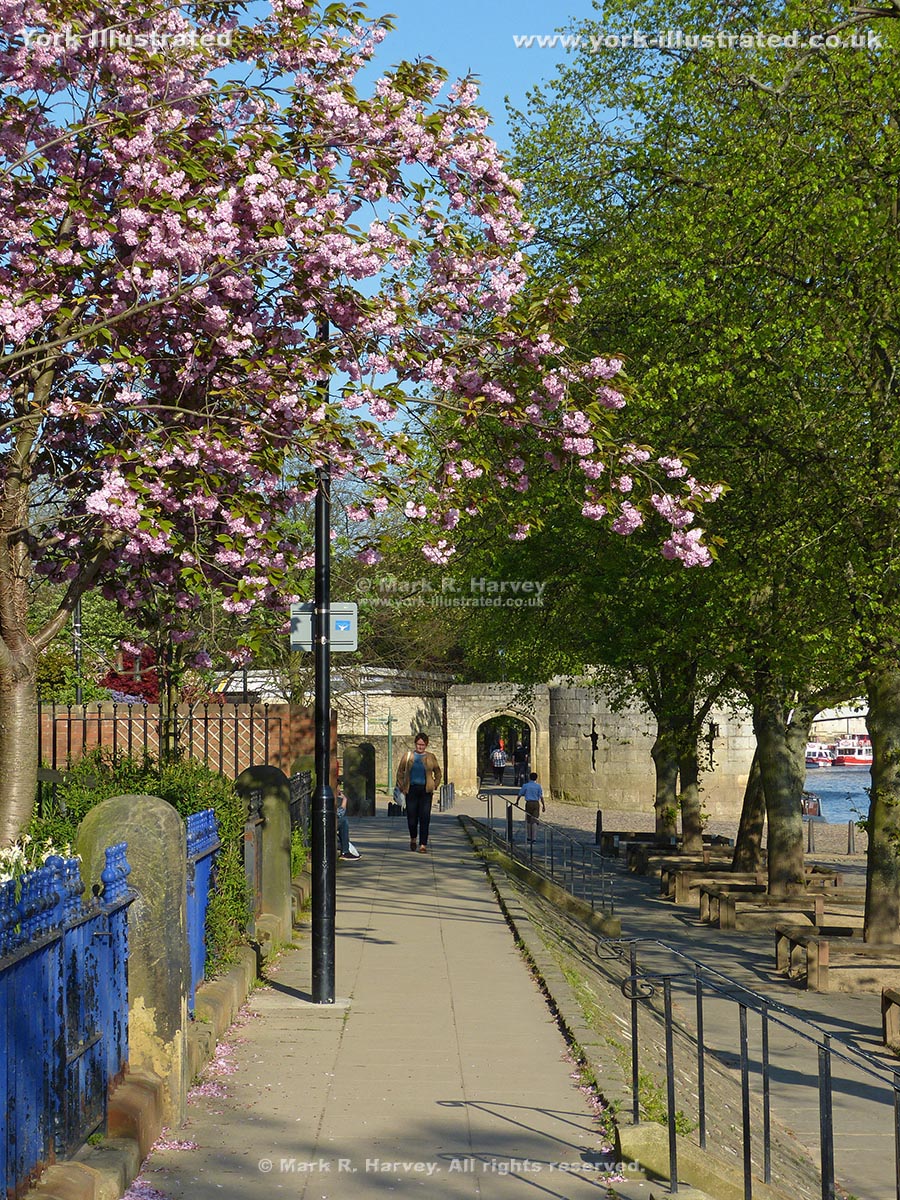
Esplanade / Dame Judi Dench Walk

The Esplanade was constructed in 1842 to reduce flooding in Museum Gardens and to provide a pleasant riverside walk. It was re-named Dame Judi Dench Walk in 2000.

Read more

Photo as per caption. Opens larger version.

Exhibition Square

This pleasant public space was created in 1879 to provide an attractive setting for the city's new art gallery. The garden was replaced with a fountain in 1972.

Read more

Photo as per caption. Opens larger version.

Eye of York

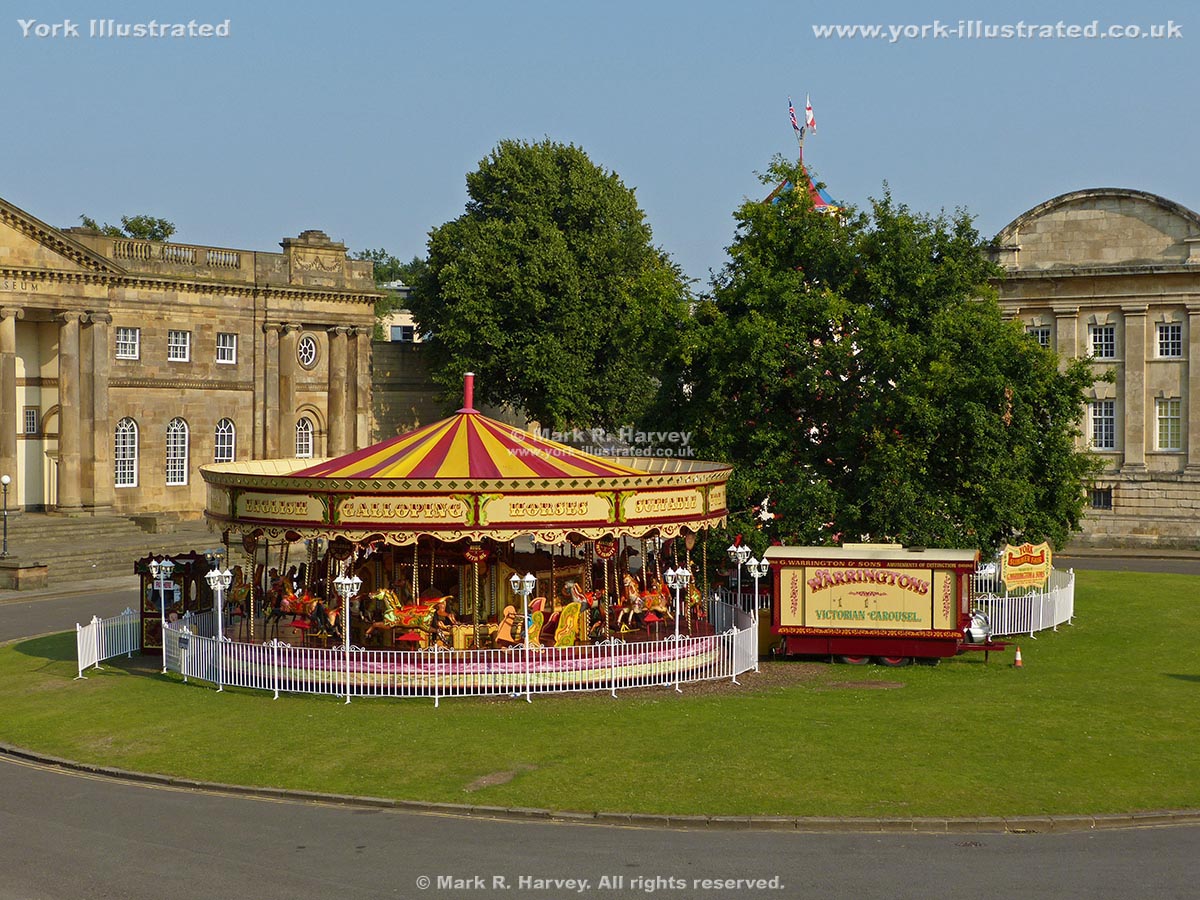
The 'Eye of York' is a small oval of grass in the middle of York Castle's inner bailey. It was previously known as 'Castle Yard', then the 'Eye of the Ridings'.

Read more

Photo as per caption. Opens larger version.

Female Prison Building

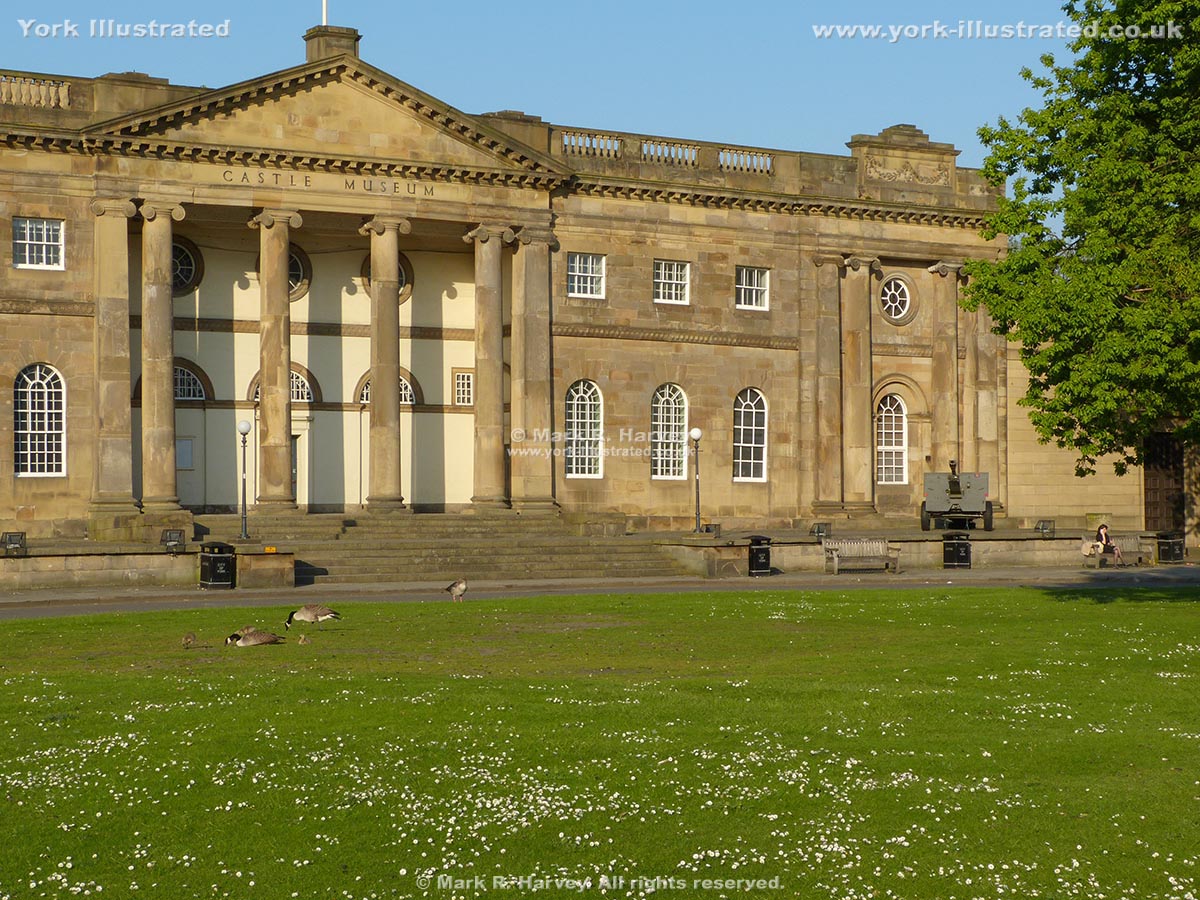
The central section of York's Female Prison was built between 1780 and 1783. The two wings were added in 1802. The podium and steps were added circa 1820-1850.

Read more

Photo as per caption. Opens larger version.

Fishergate Bar

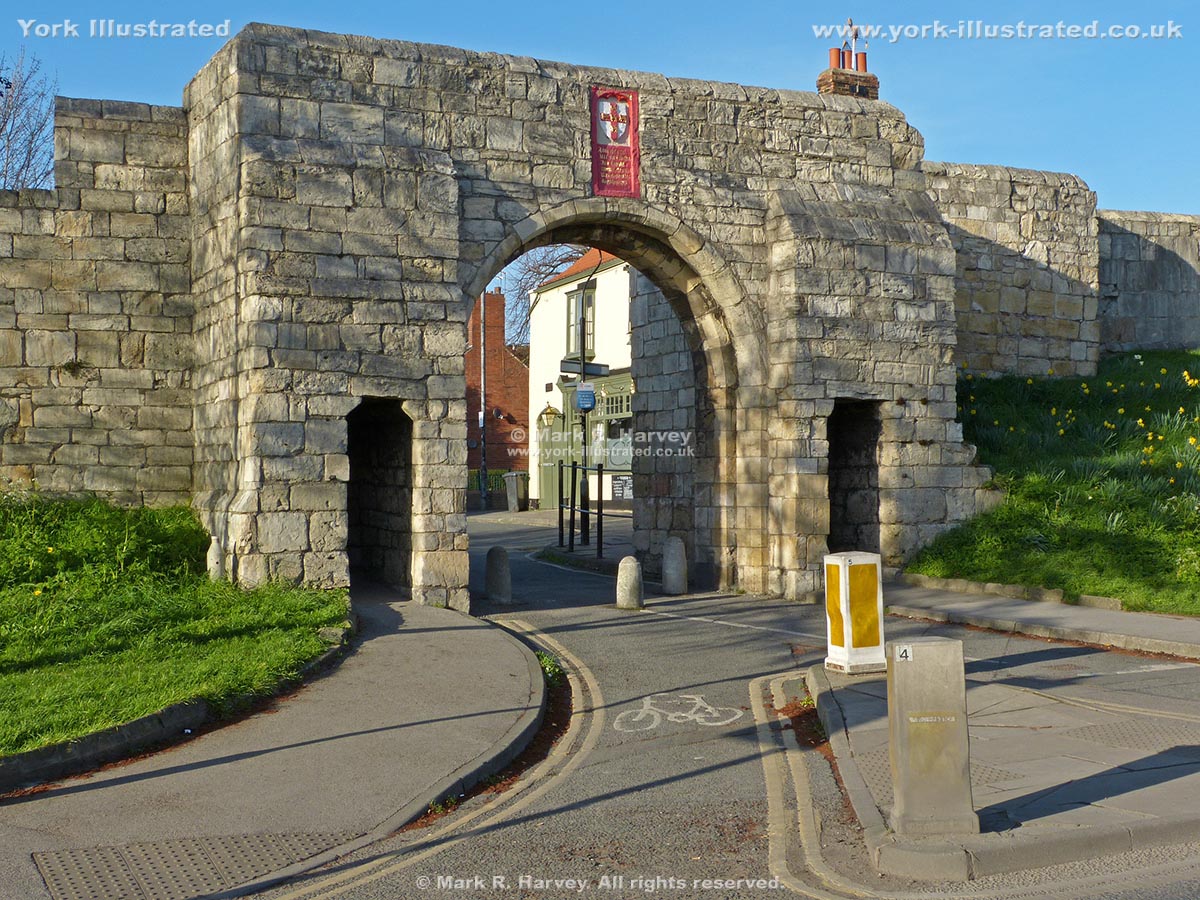
Fishergate Bar was once a very important gateway and it would have been a much grander structure than the simple set of openings that we see today.

Read more

Photo as per caption. Opens larger version.

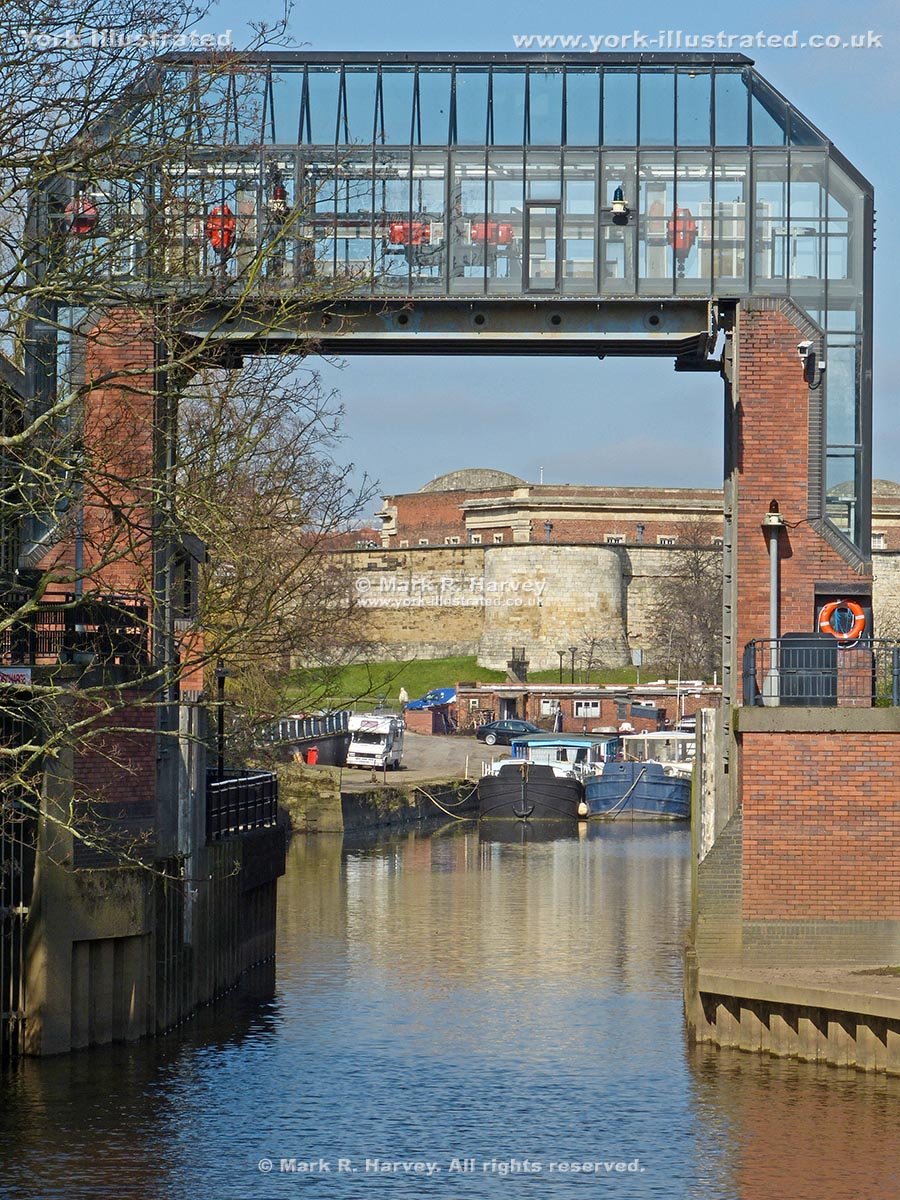
Foss Barrier

The Foss Barrier forms a key part of the city's flood defences. It allows the River Foss and neighbouring low-lying areas to be isolated from the River Ouse.

Read more

Photo as per caption. Opens larger version.

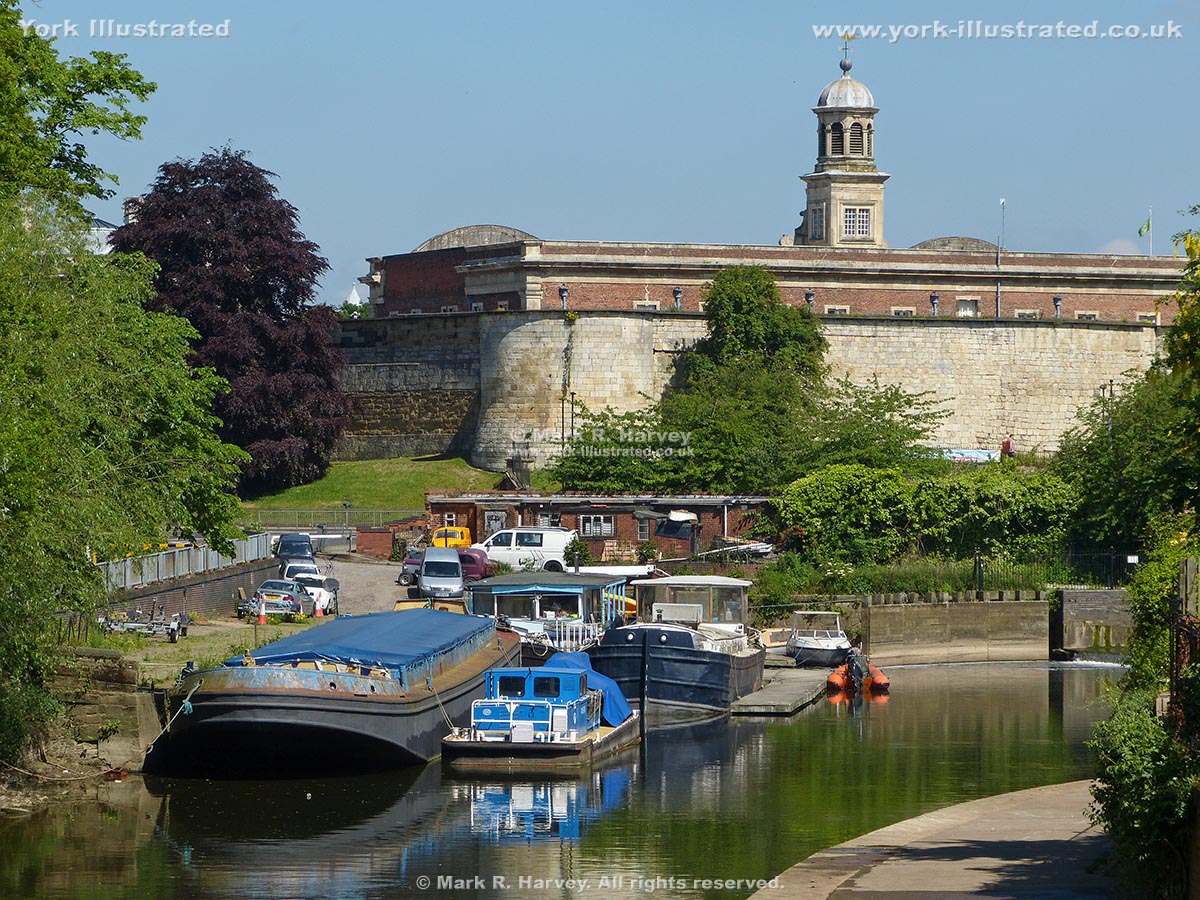
Foss Basin

Foss Basin (also known as Castle Mills Lock Basin) lies on the River Foss between the Foss Barrier and Castle Mills Lock.

Read more

Photo as per caption. Opens larger version.

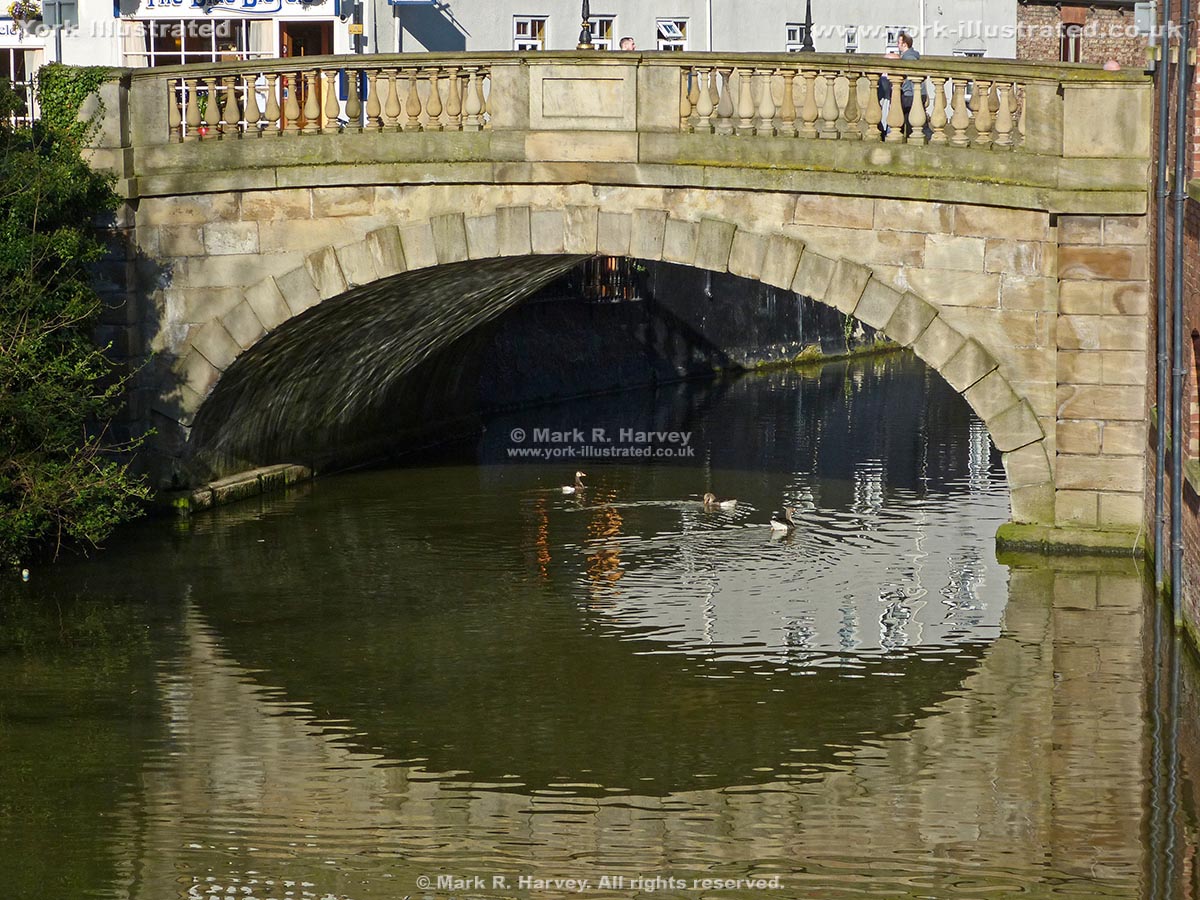
Foss Bridge

This attractive single arch (Grade II listed) structure was built in 1811-1812. The 'heritage style' lamp standards were installed in 1975.

Read more

Photo as per caption. Opens larger version.

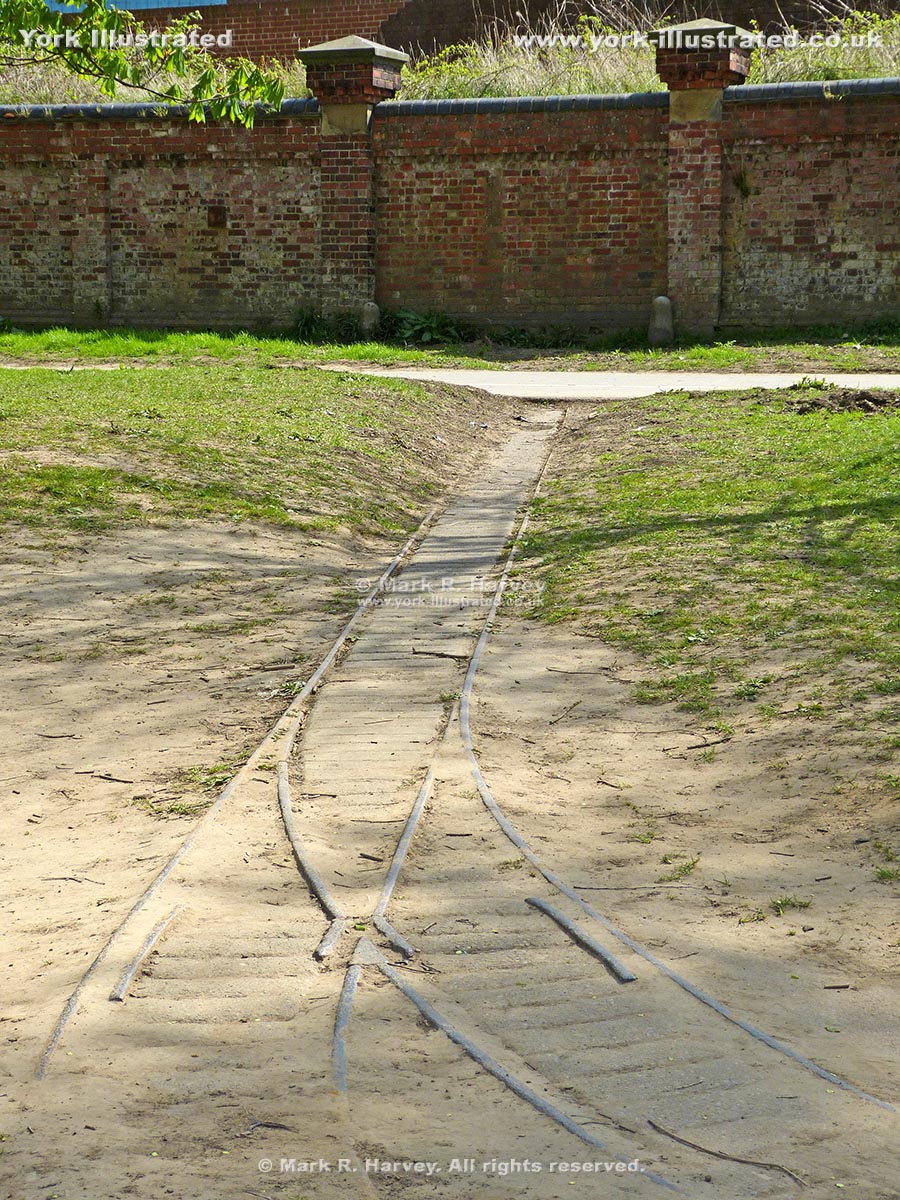
Fulford Ordnance Wharf and Military Tramway System

The wharf and 18-inch guage tramway system were constructed in 1878 to serve a complex of military stores and workshops associated with Fulford Barracks.

Read more

Photo as per caption. Opens larger version.

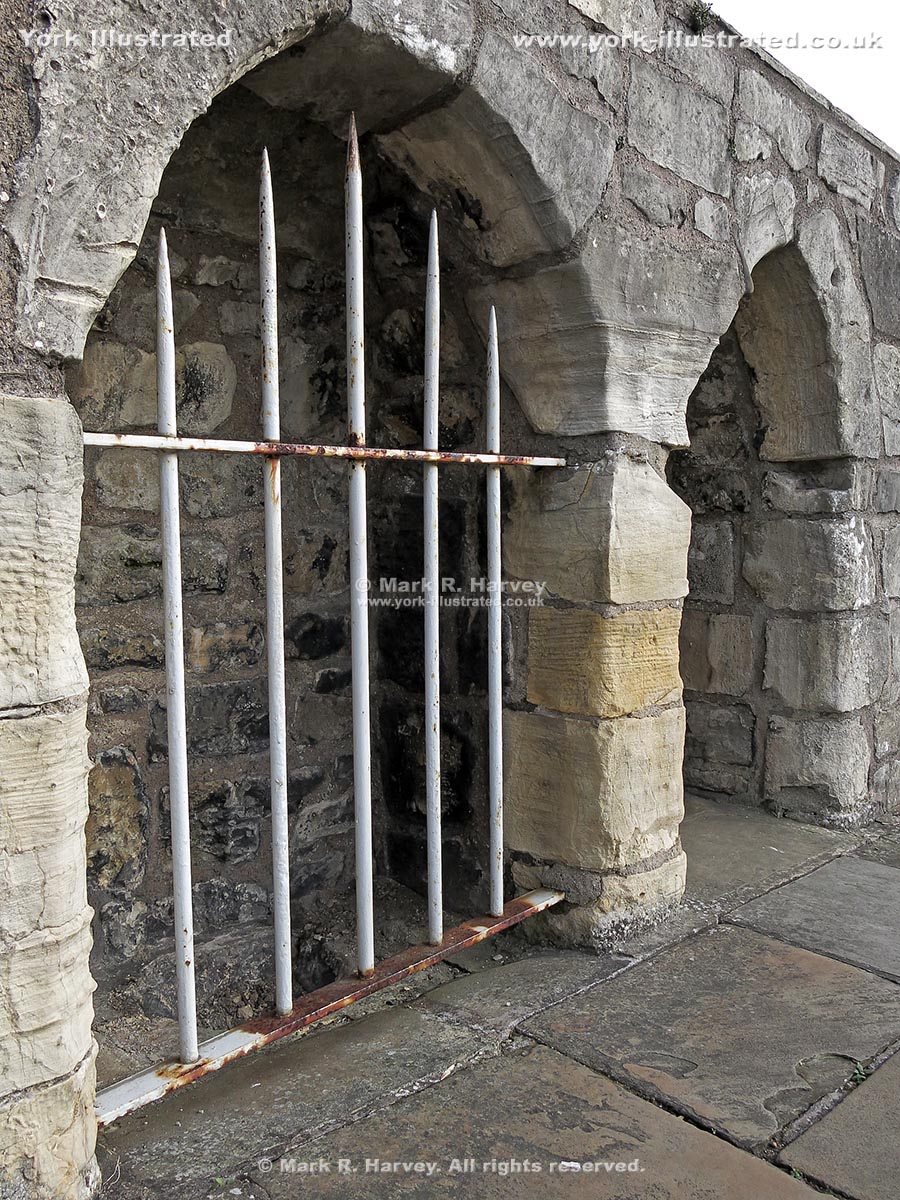
Historic Latrines

Between tower 31 and the site of tower 30, a pair of historic latrines (toilets / urinals) have been set into the City Walls beside the wall-top walkway.

Read more

Photo as per caption. Opens larger version.

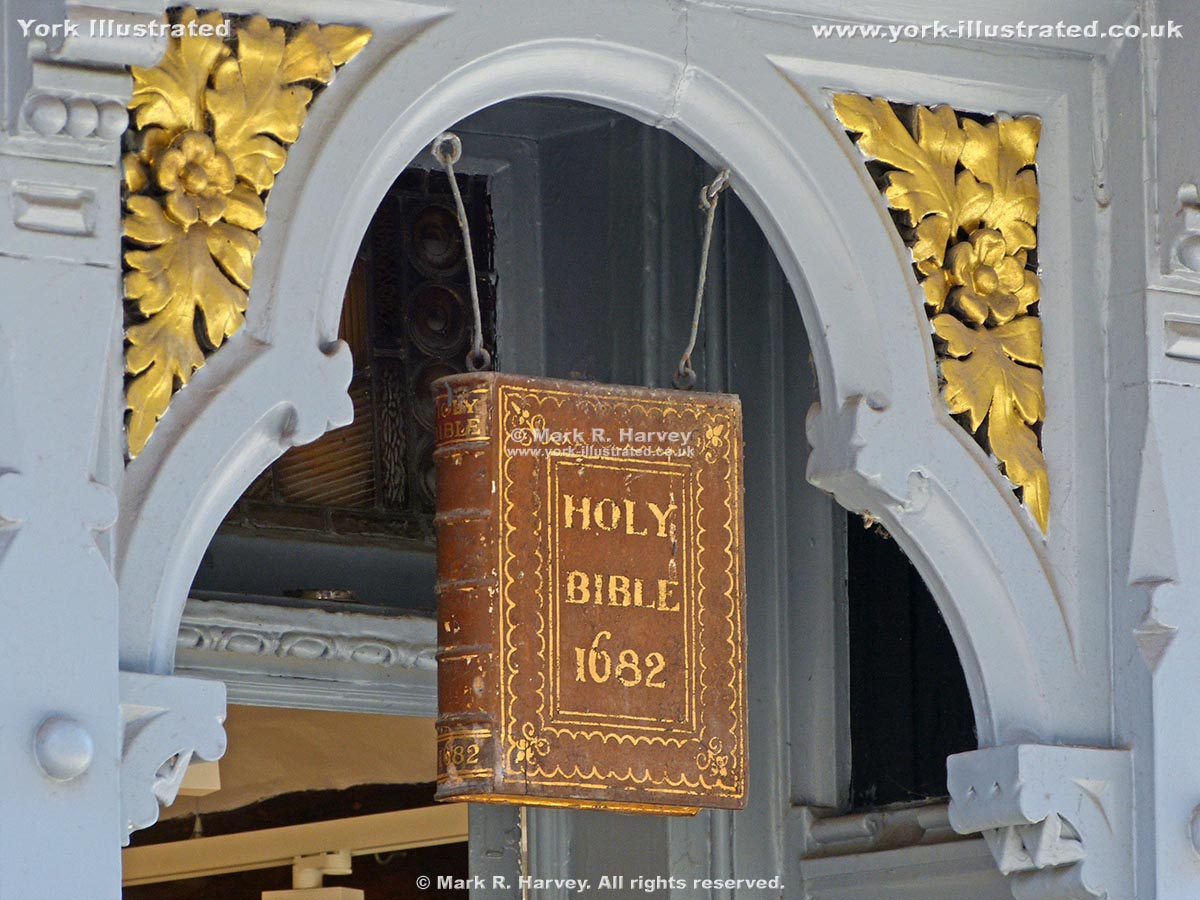
Holy Bible 1682 Carved Wooden Sign

For almost 200 years, this carved wooden sign above the doorway of 35 Stonegate advertised a series of book-related businesses known as "The Sign of the Bible".

Read more

Photo as per caption. Opens larger version.

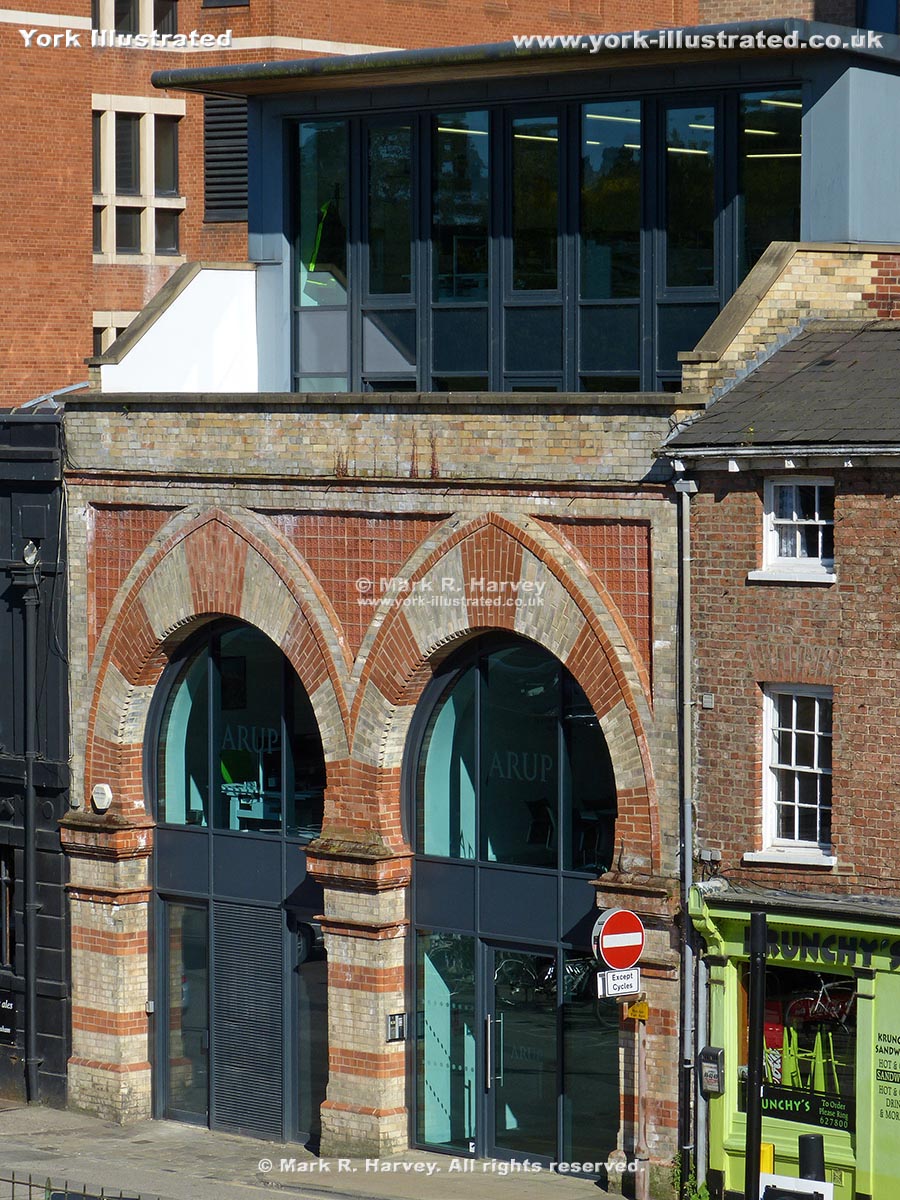
Horse Repository Building

This attractive facade on Tanner's Moat, with its gothic arches and contrasting brickwork, is all that remains of what was once the city's premiere horse hotel.

Read more

Photo as per caption. Opens larger version.

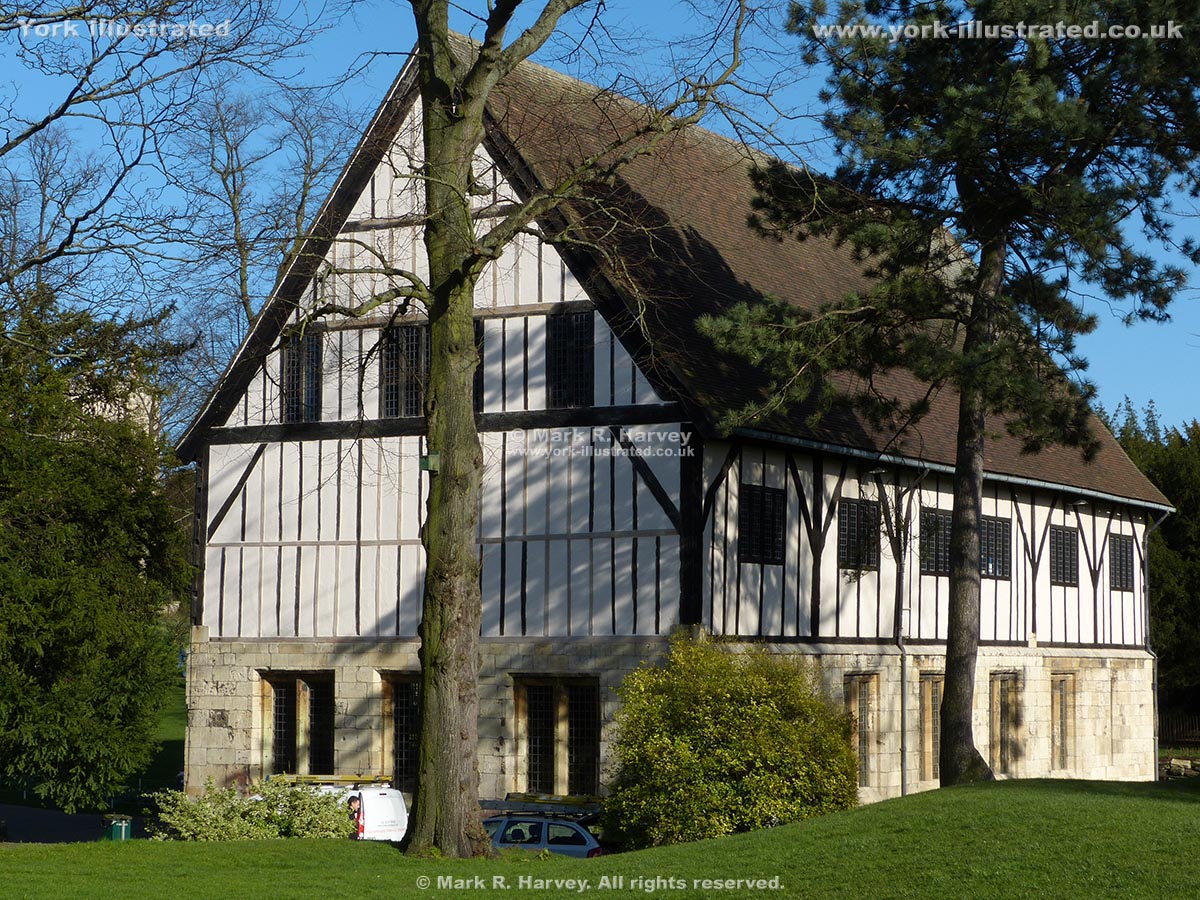
Hospitium

The Grade II listed Hospitium was probably built as a guest house for pilgrims visiting St Mary's Abbey. The oldest parts are 14th-15th century.

Read more

Photo as per caption. Opens larger version.

Ice House

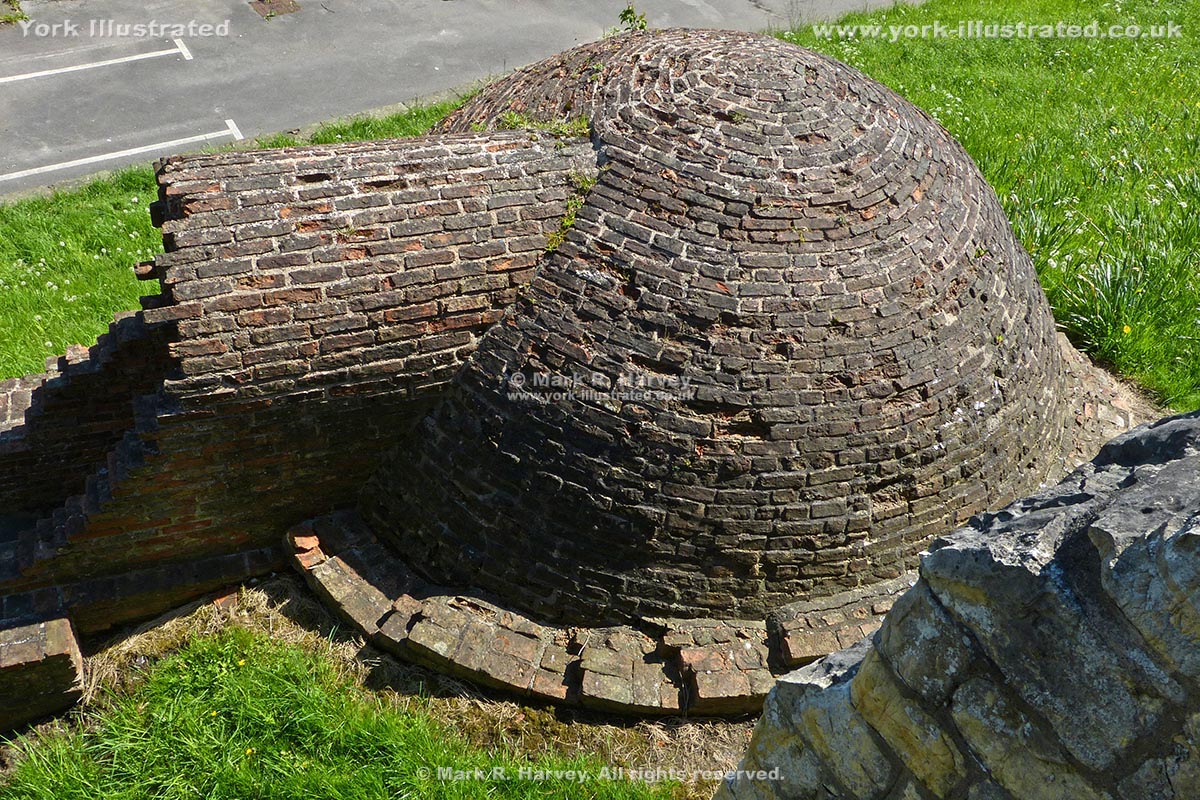
The Ice House is partially buried within the rampart (earth bank) beside the northern section of York's City Wall. Most visitors see it from the Wall Walk.

Read more

Photo as per caption. Opens larger version.

Jewish Massacre Memorial

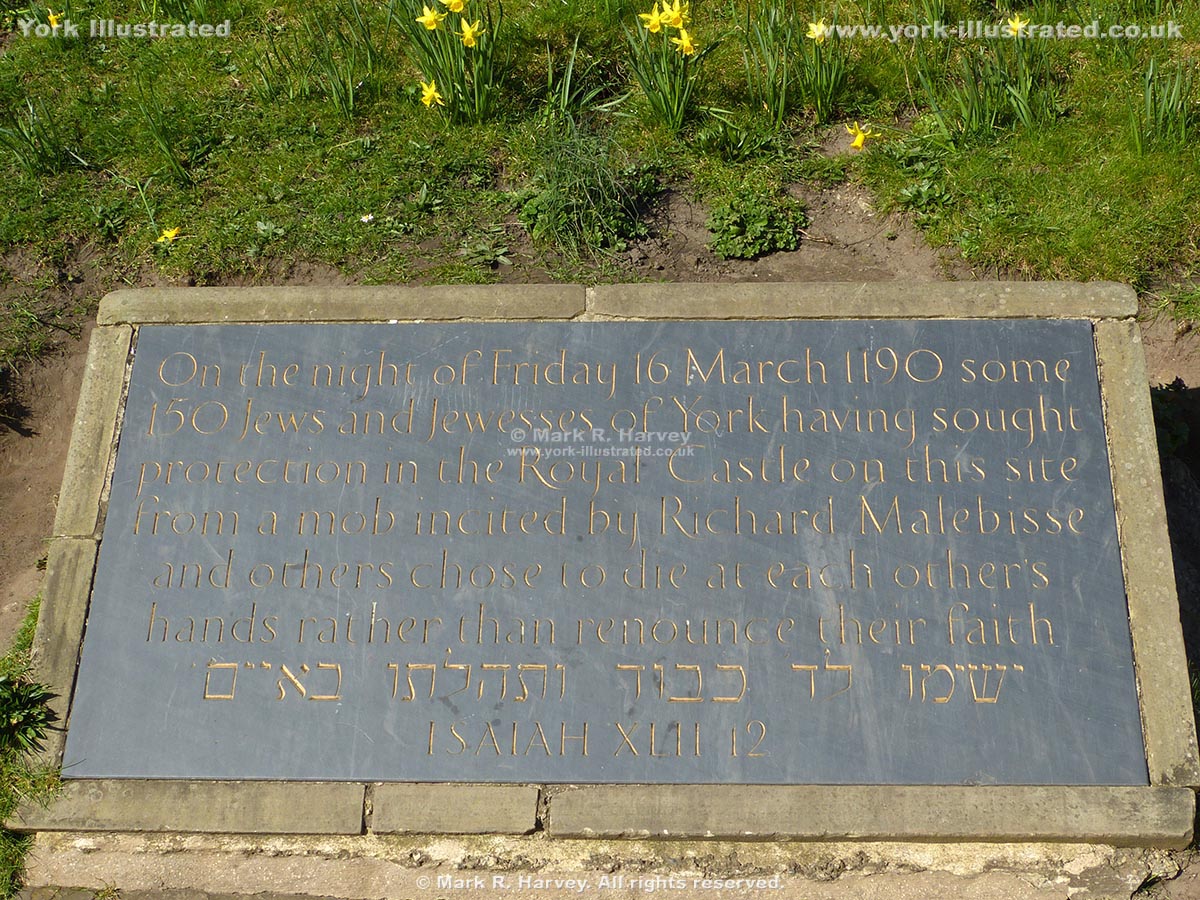
A plaque commemorating the Jewish population of York who died in 1190 during a period of civil disorder that has become known as 'the Massacre of the Jews'.

Read more

Photo as per caption. Opens larger version.

Leeman Road War Memorial Garden

This small formal garden between Leeman Road and the River Ouse was created to provide a pleasant contemplative setting for the city's main war memorial.

Read more

Photo as per caption. Opens larger version.

Lendal Bridge

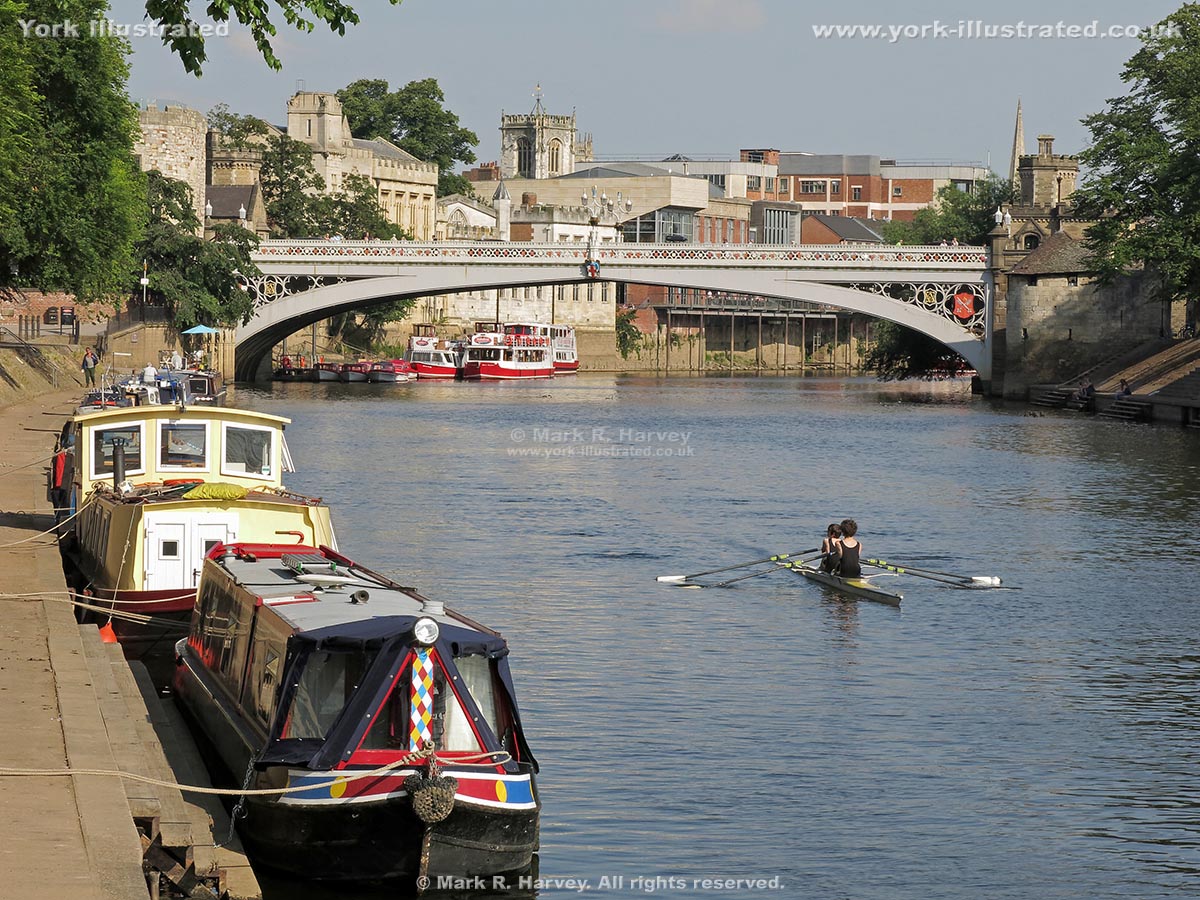
Lendal Bridge offers superb views along the River Ouse. It was built to link York's commercial district with the railway station and it opened in 1863.

Read more

Photo as per caption. Opens larger version.

Lendal Bridge Sub-Station

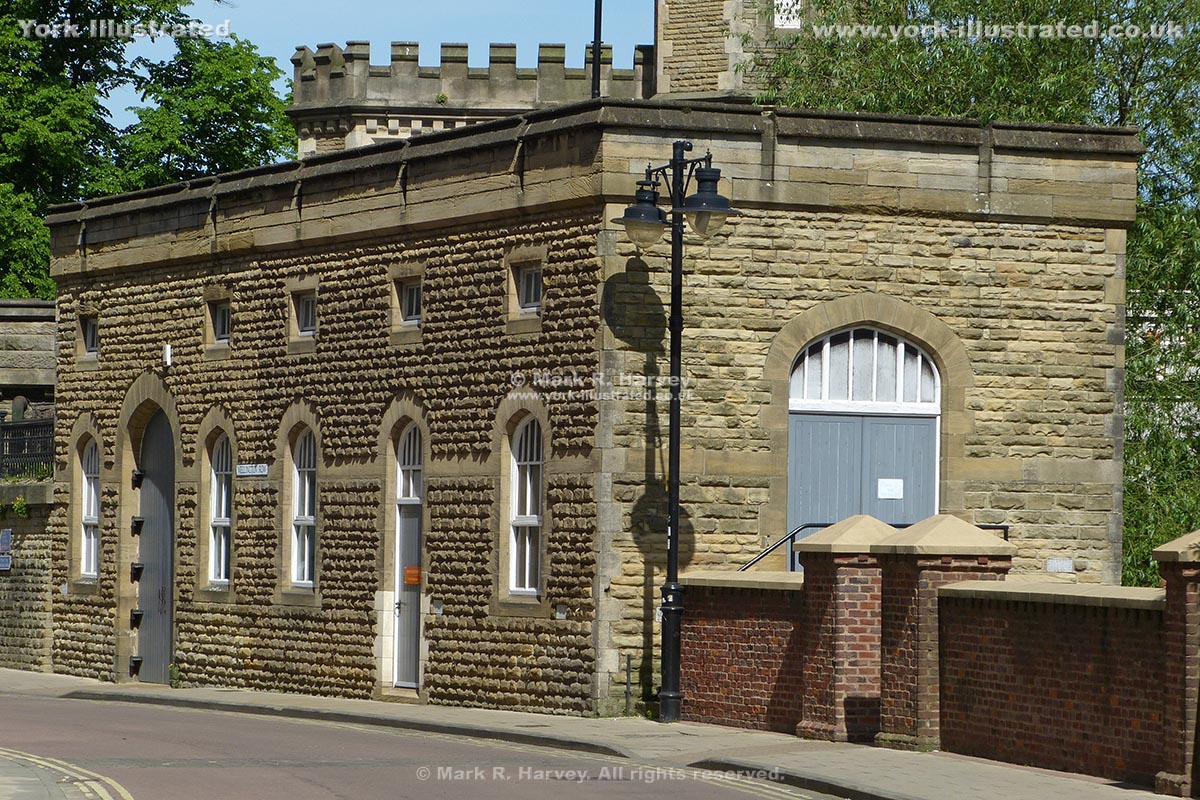
This attractive little building was constructed circa 1920 by York Corporation to house an electricity sub-station. It was converted for commercial use in 2010.

Read more

Photo as per caption. Opens larger version.

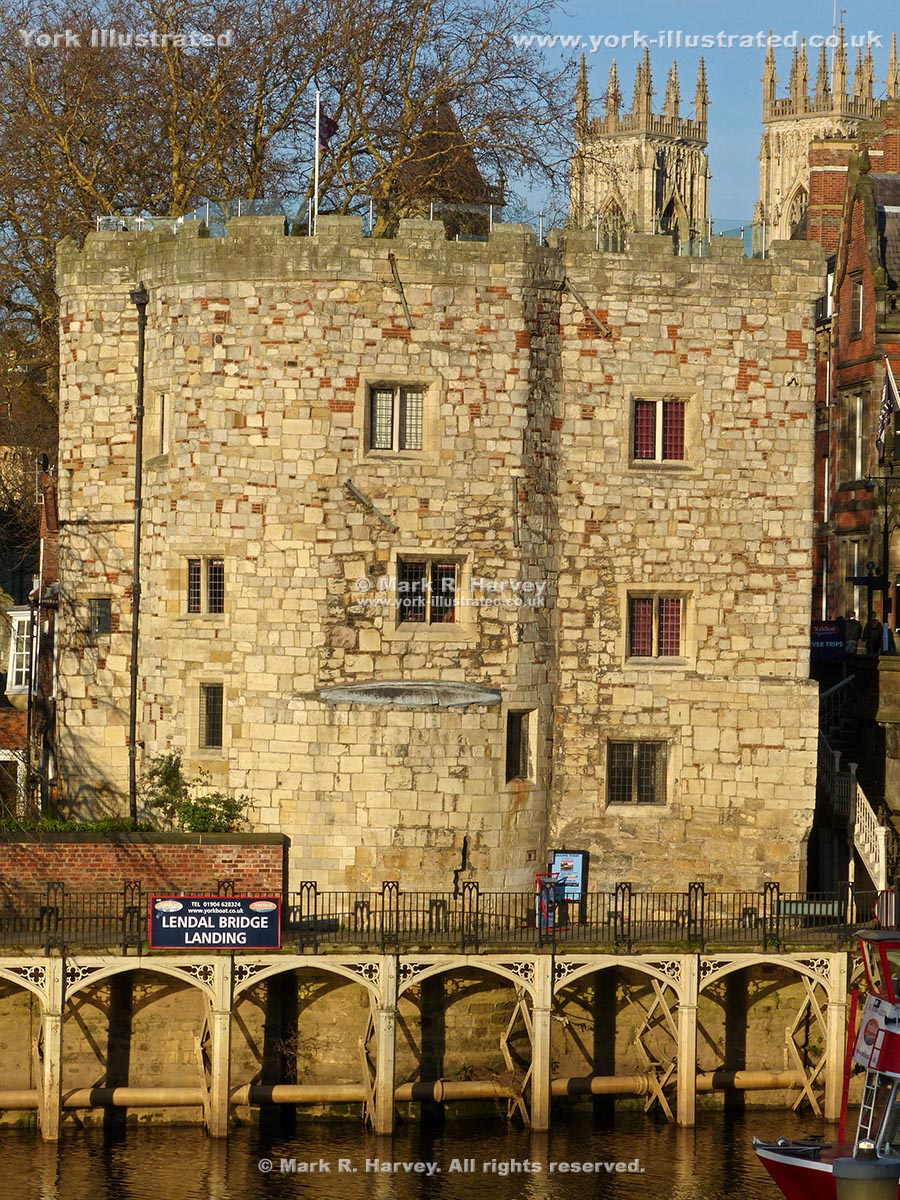
Lendal Tower

When Lendal Tower was built in the early 14th century, it was a small drum tower (similar to Barker Tower, on the opposite bank of the river).

Read more

Photo as per caption. Opens larger version.

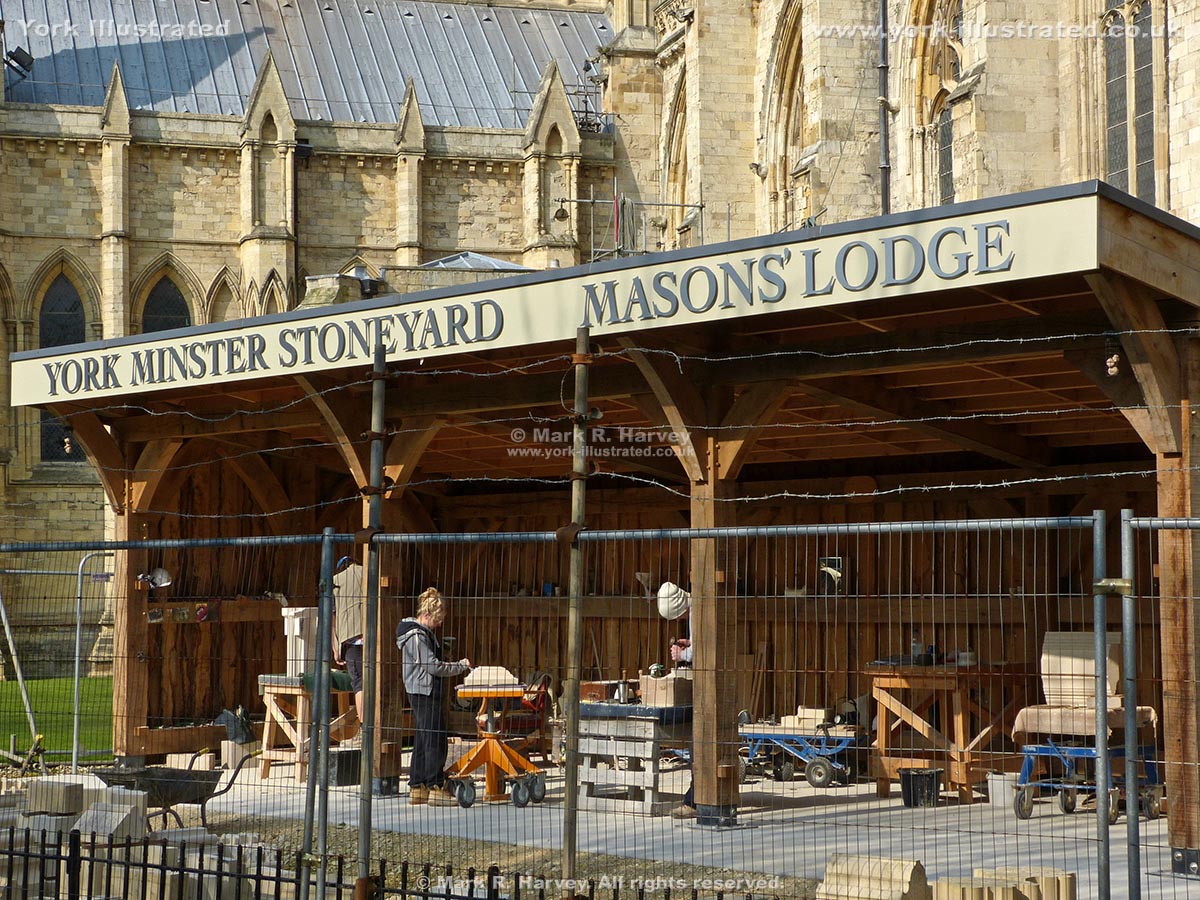
Mason's Lodge

As part of the never-ending process of repairing York Minster, stonemasons use the Mason's Lodge to carve replacements for damaged and weathered stonework.

Read more

Photo as per caption. Opens larger version.

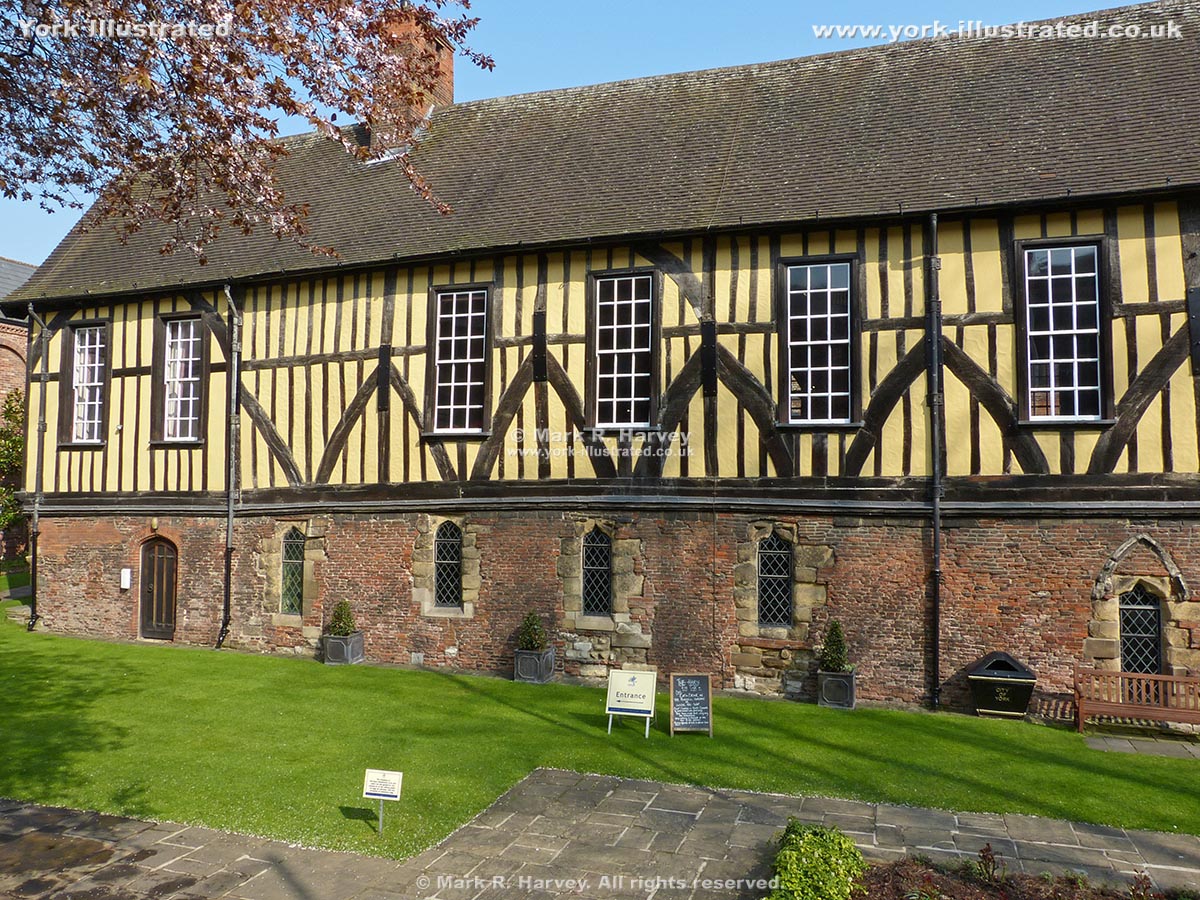
Merchant Adventurers' Hall

This picturesque guildhall is set in a peaceful small garden beside the River Foss. It was built in 14th century by the Company of Merchant Adventurers.

Read more

Photo as per caption. Opens larger version.

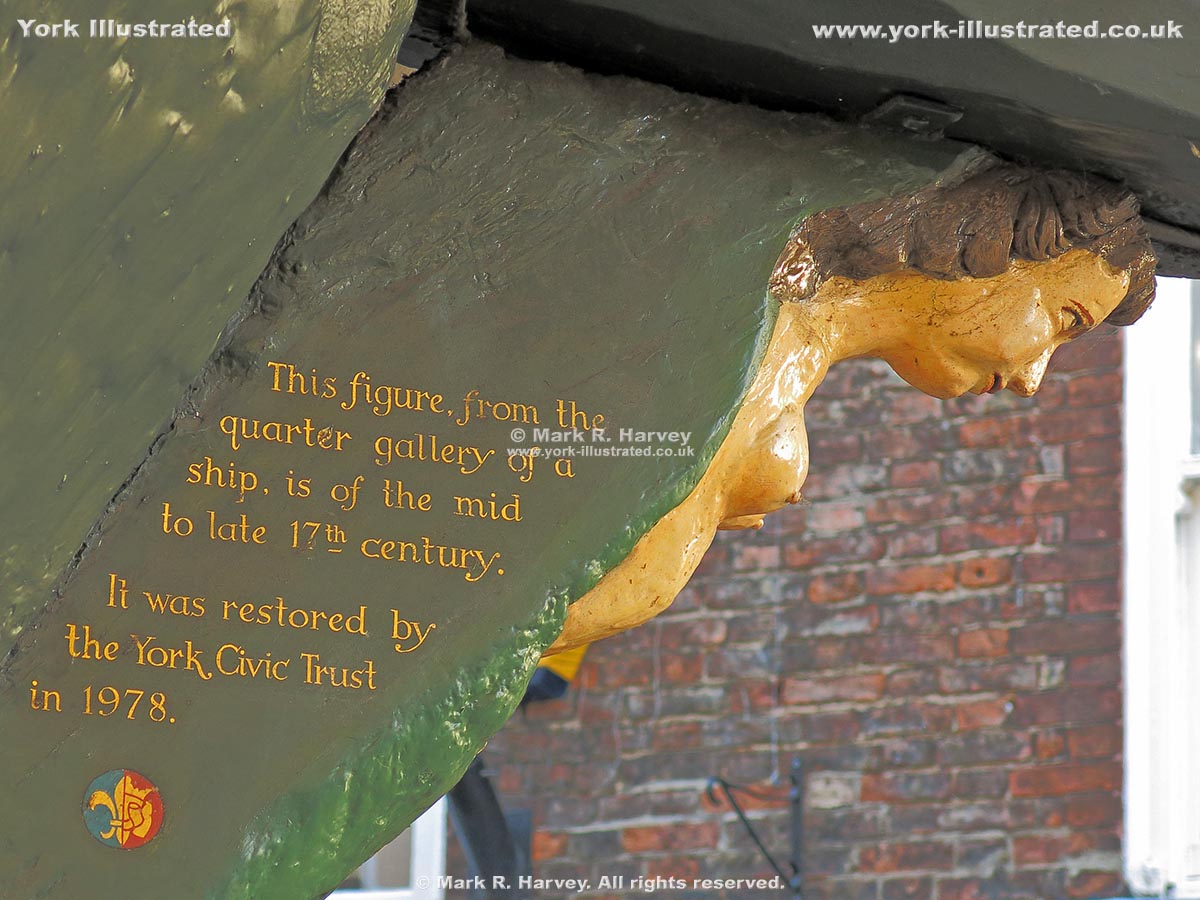
Mermaid Figurehead

The mermaid on the corner post of number 13 Stonegate is believed to have been carved as a ship’s figurehead in the mid to late 17th century.

Read more

Photo as per caption. Opens larger version.

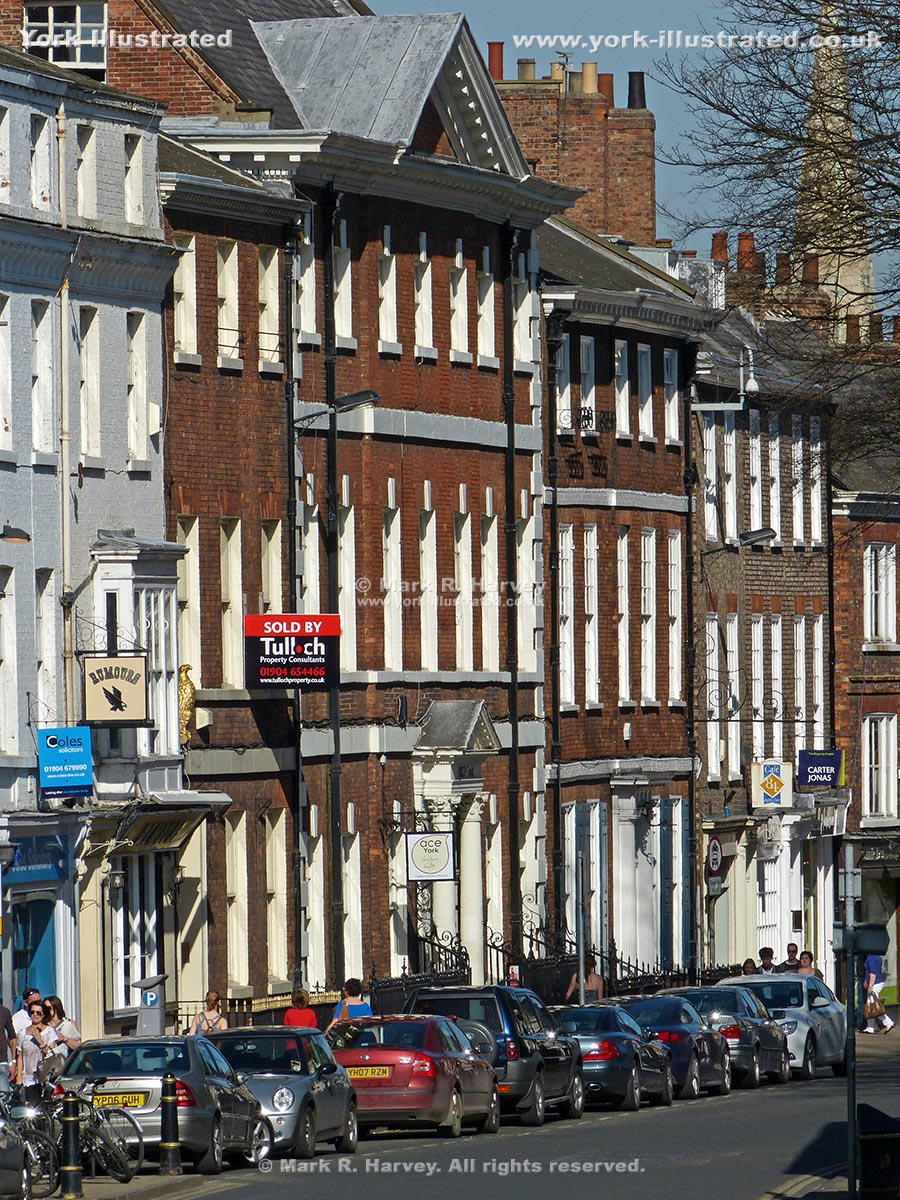
Micklegate

Micklegate links Micklegate Bar with the city centre via Ouse Bridge. The blend of medieval, Georgian and more recent buildings create a unique atmosphere.

Read more

Photo as per caption. Opens larger version.

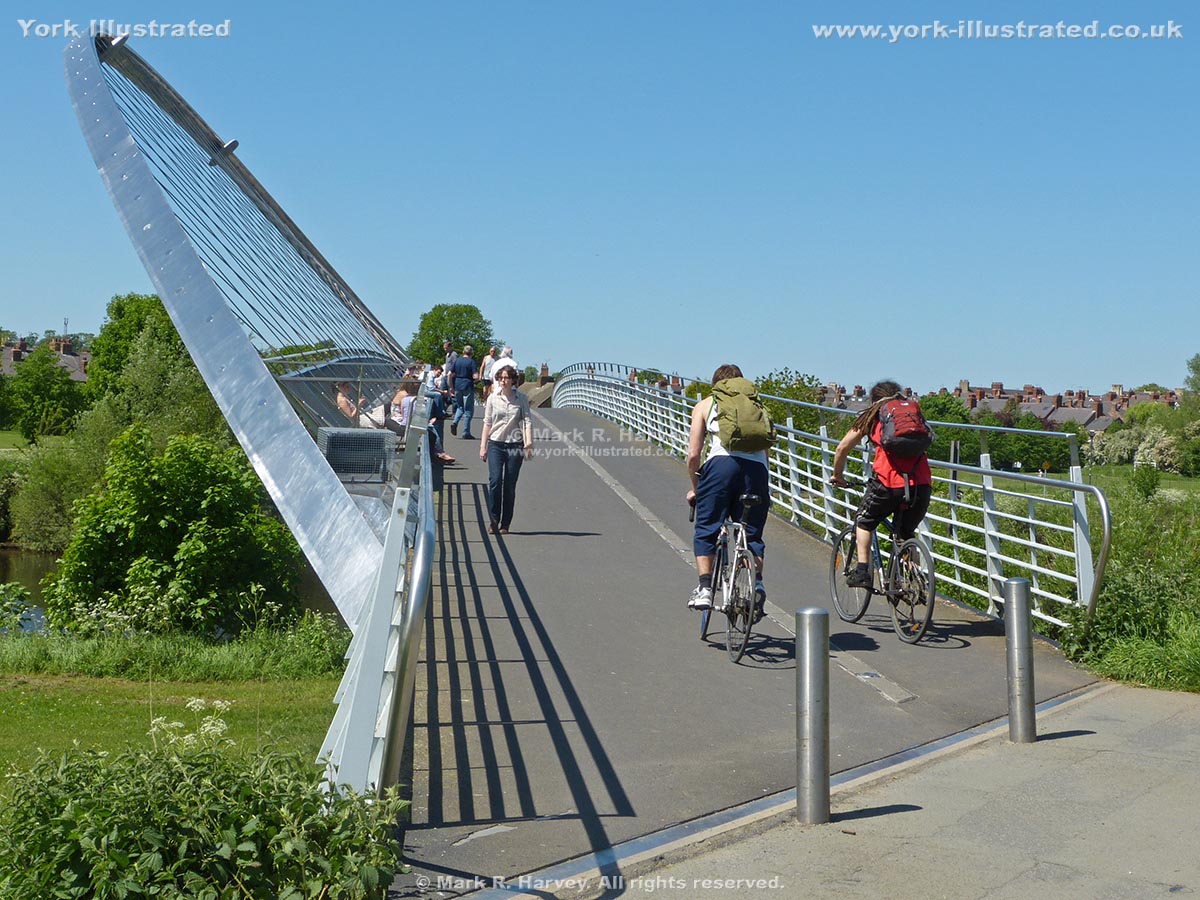
Millennium Bridge

York's Millennium Bridge is a combination of footpath, cycle-route, bench-seat, viewpoint and sculpture that spans the River Ouse close to Rowntree Park.

Read more

Pages