An introductory post consisting of a few short paragraphs, plus at least two images.

Show / hide tips
  • Every item classified with this term is included in this extract.
  • The items have been grouped by content type, then listed in alphabetical order.
  • To speed-up page-loading, a maximum of 24 locations are displayed on each page.
  • If there are more than 24 items, click / tap on the page navigation buttons (located below the list) to display the additional page(s).
  • To view a larger version of an image, click / tap on the image.
  • To view all available information and images for an item of content, click / tap on its title or 'Read More' link. (If a 'Read more' link is provided, a brief article and / or a high quality external link is available.)
  • To view the locations on interactive maps and aerial imagery, use the 'Explore' app.
Article

Photo as per caption. Opens larger version.

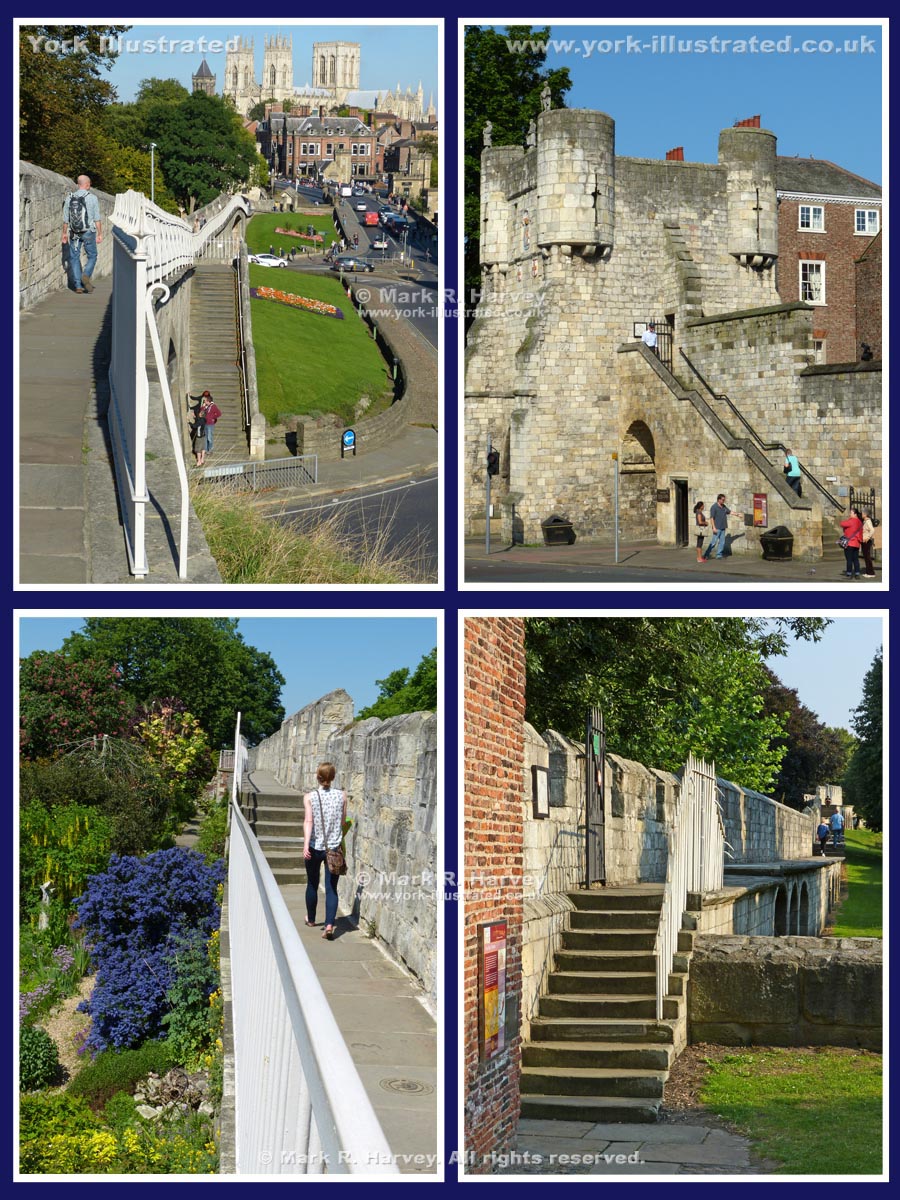
An introduction to York's historic defences

The historic defences form a key attraction for most first-time visitors to York. A stroll along at least part of the wall-top walkway is highly recommended.

Read more

Photo as per caption. Opens larger version.

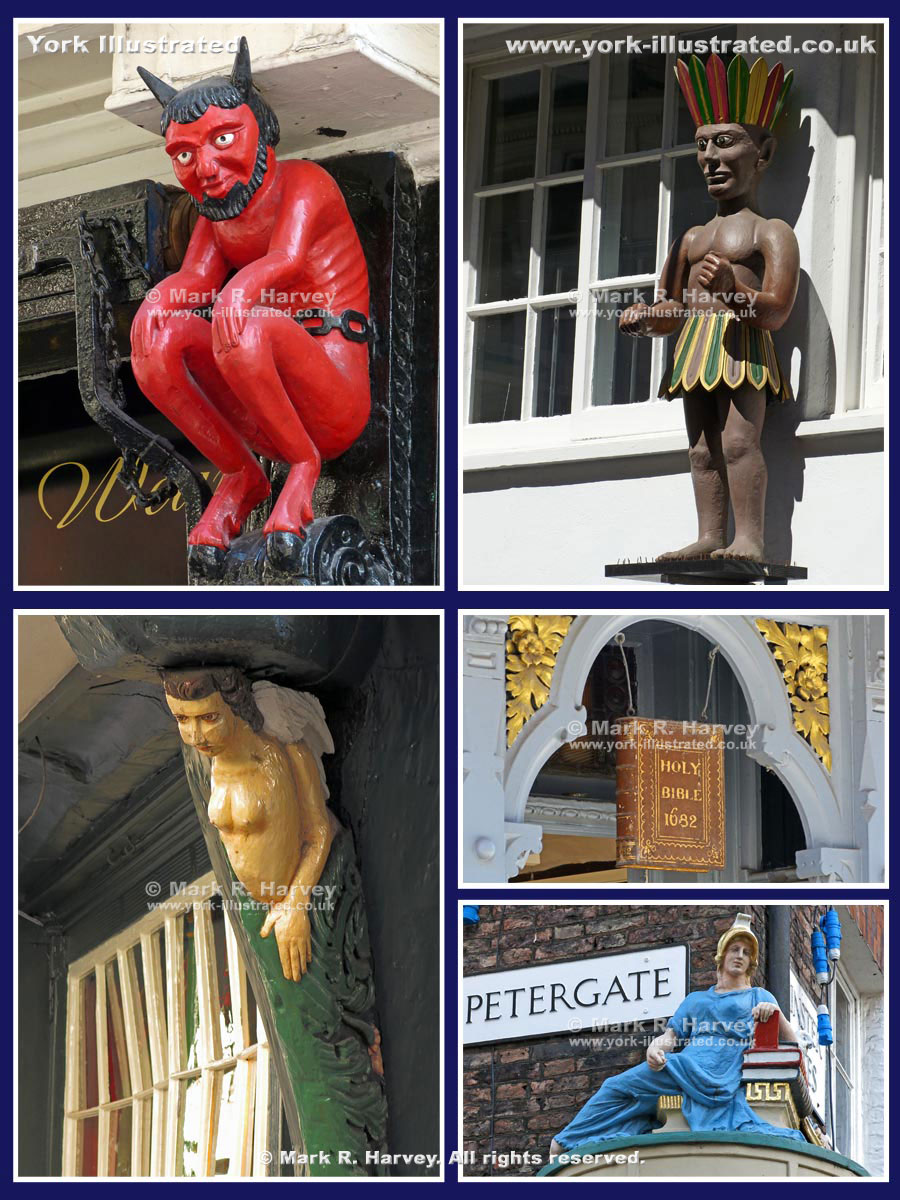
Giving directions before the advent of standardised addresses

The display of three-dimensional signs outside commercial premises became common in English towns and cities during the Middle Ages. This article explains why.

Read more

Photo as per caption. Opens larger version.

The design and construction of Skeldergate Bridge, York

Transcriptions of contemporary accounts relating to the design, construction and operation of Skeldergate Bridge.

Read more

Gazetteer Entry

Photo as per caption. Opens larger version.

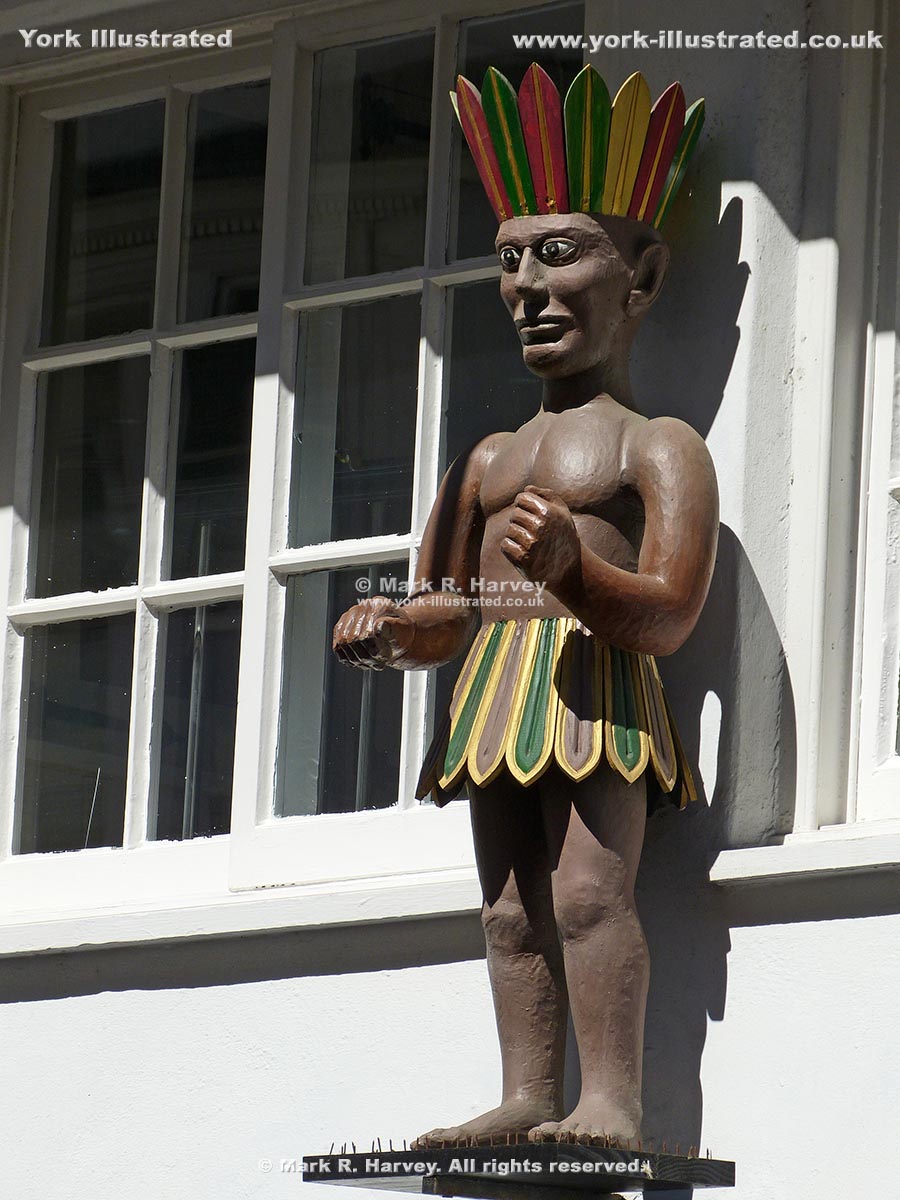
American Indian Carving

The painted wooden carving known locally as 'the American Indian' was originally created to identify and promote a tobacconist's business at 76 Low Petergate.

Read more

Photo as per caption. Opens larger version.

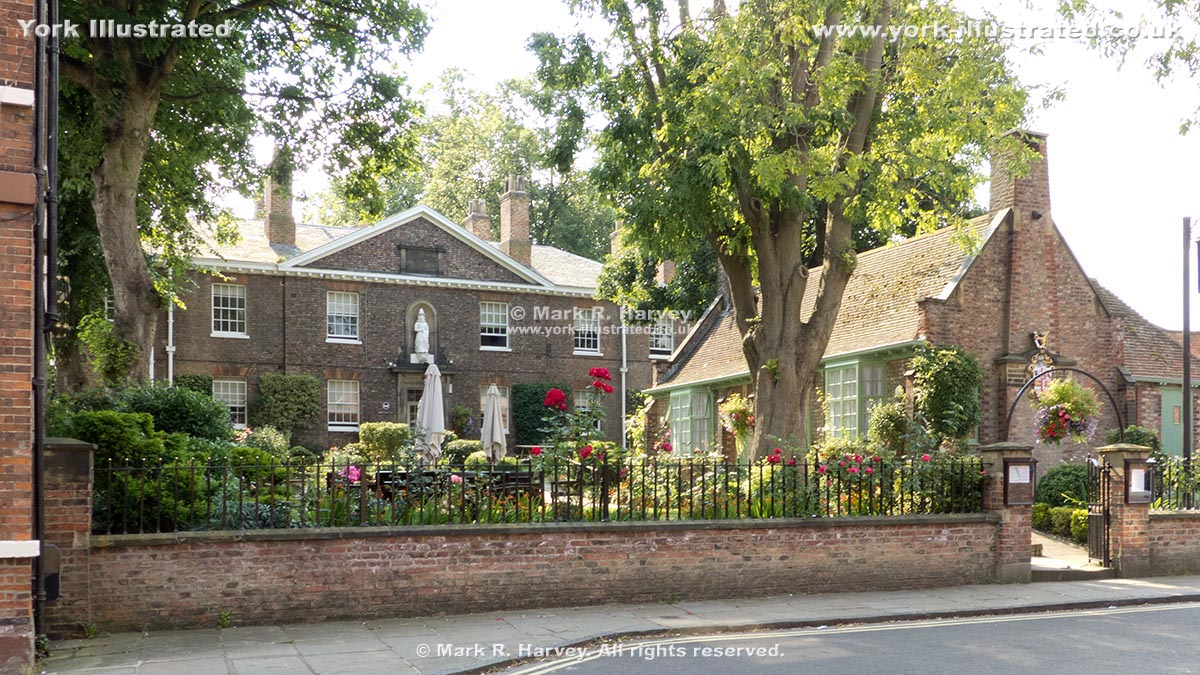
Anne Middleton's Hospital

Anne Middleton's Hospital was constructed in 1827–9 as an almshouse to provide sheltered accomodation for the widows of up to 20 freemen of the city of York.

Read more

Photo as per caption. Opens larger version.

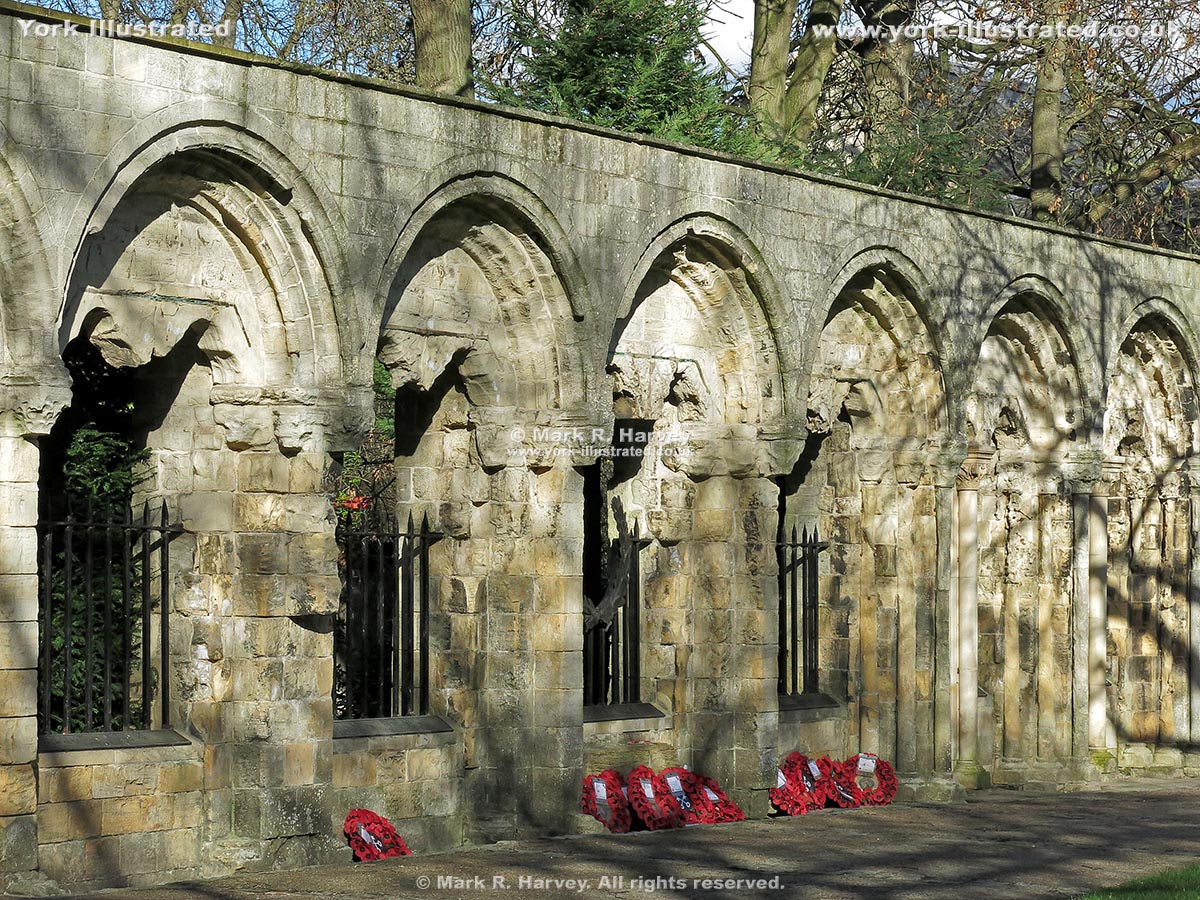
Arcade of former Archbishops' Palace aka the Kohima Memorial

This attractive magnesian limestone wall in Dean's Park once formed part of an arcade associated with the 12th century palace used by the Archbishops of York.

Read more

Photo as per caption. Opens larger version.

Artist's Garden

The Artist's Garden is a pleasant outdoor space designed specifically to display temporary art installations and to host occassion outdoor arts events.

Read more

Photo as per caption. Opens larger version.

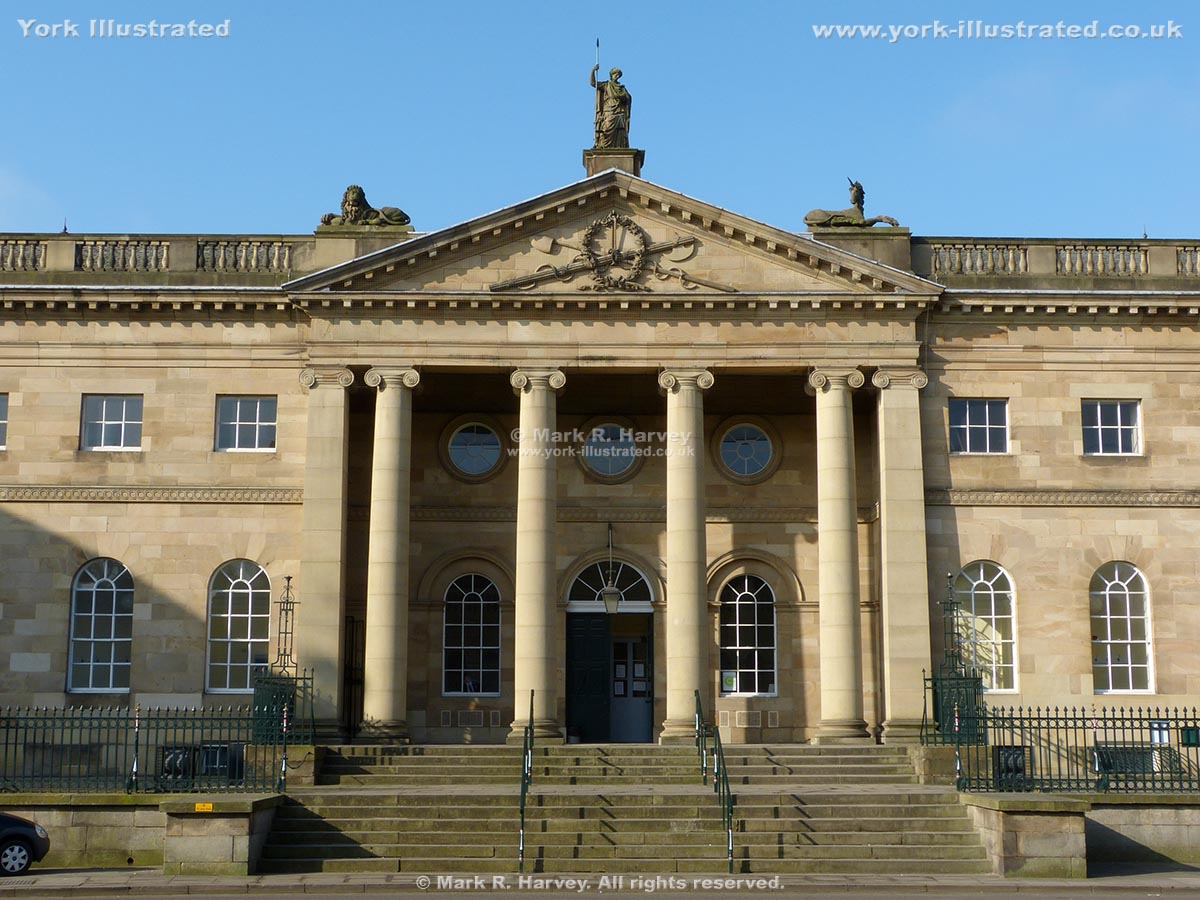
Assize Courts Building (now York Crown Court)

York Castle has been used to dispense 'justice' for almost 1,000 years. The Assize Courts Building in the inner-bailey was constructed between 1773 and 1777.

Read more

Photo as per caption. Opens larger version.

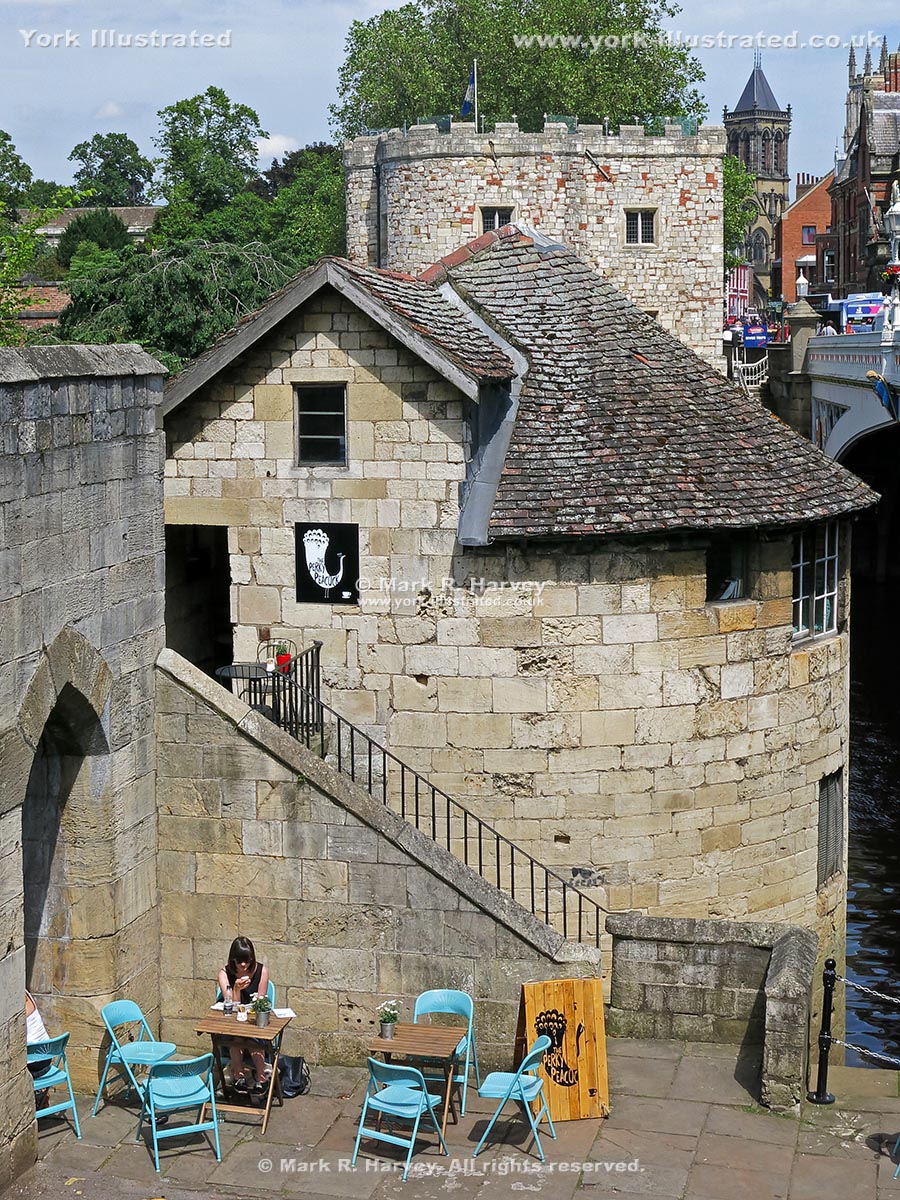
Barker Tower (aka North Street Postern Tower)

Barker Tower was built during the mid-14th century. The Leonard's Landing ferrymen lived here until 1863. Since then it has been a mortuary, storeroom and cafe (although not all at the same time).

Read more

Photo as per caption. Opens larger version.

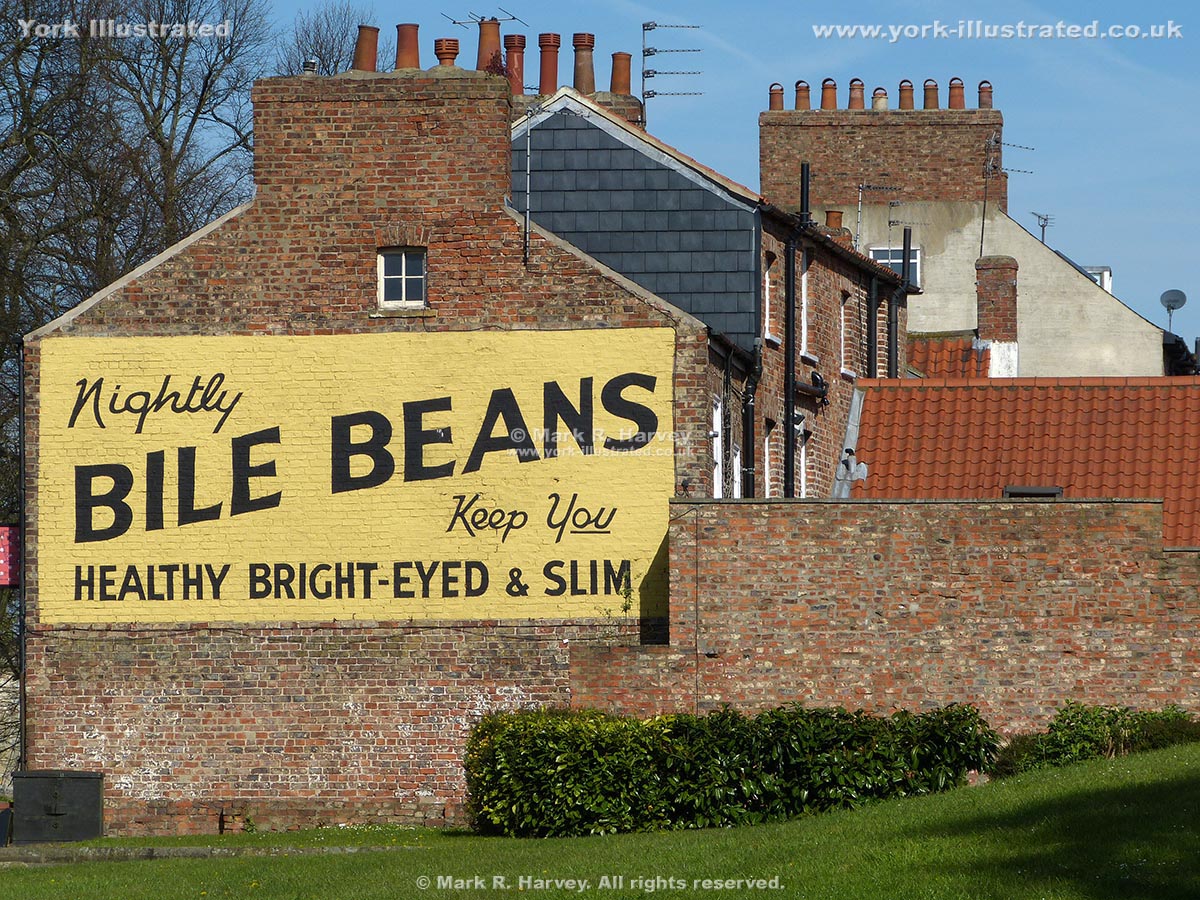
Bile Beans Ghost Sign

The intriguing advertisement for "Bile Beans" is a 'ghost sign' on the side wall of a house at the junction of Lord Mayor's Walk and Monkgate, near Monk Bar.

Read more

Photo as per caption. Opens larger version.

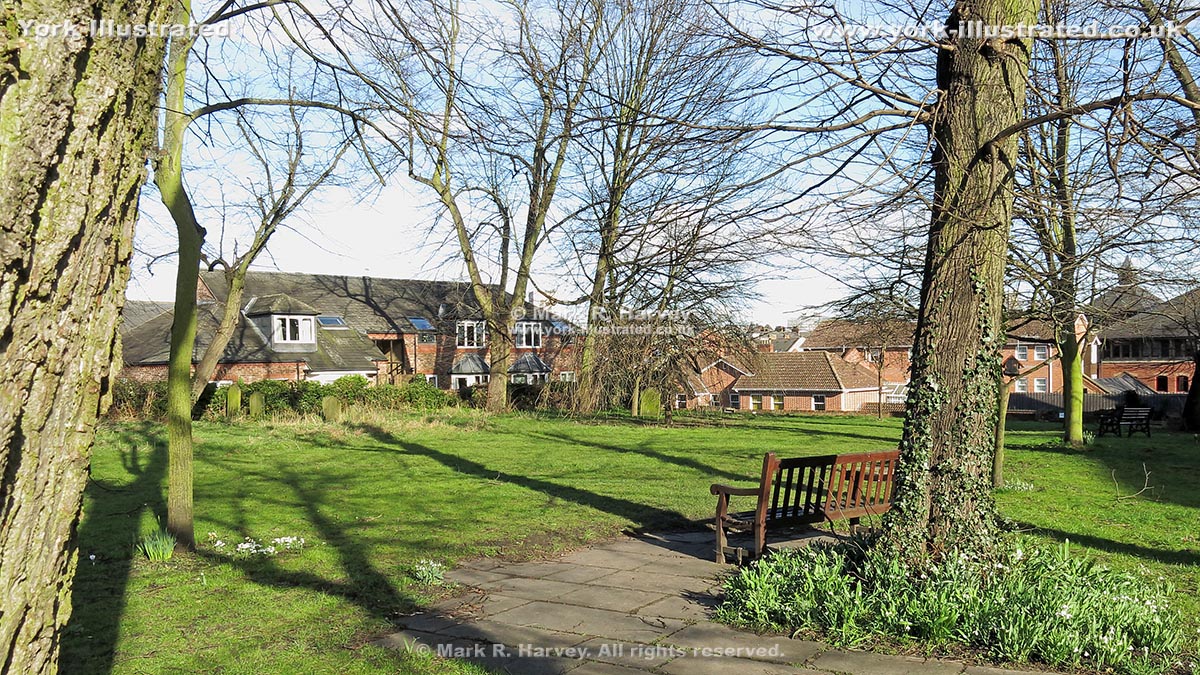
Bishophill Community Garden

Bishophill Community Garden is a small area of greenspace within the churchyard of St Mary Bishophill Senior (York). The church was demolished in 1963.

Read more

Photo as per caption. Opens larger version.

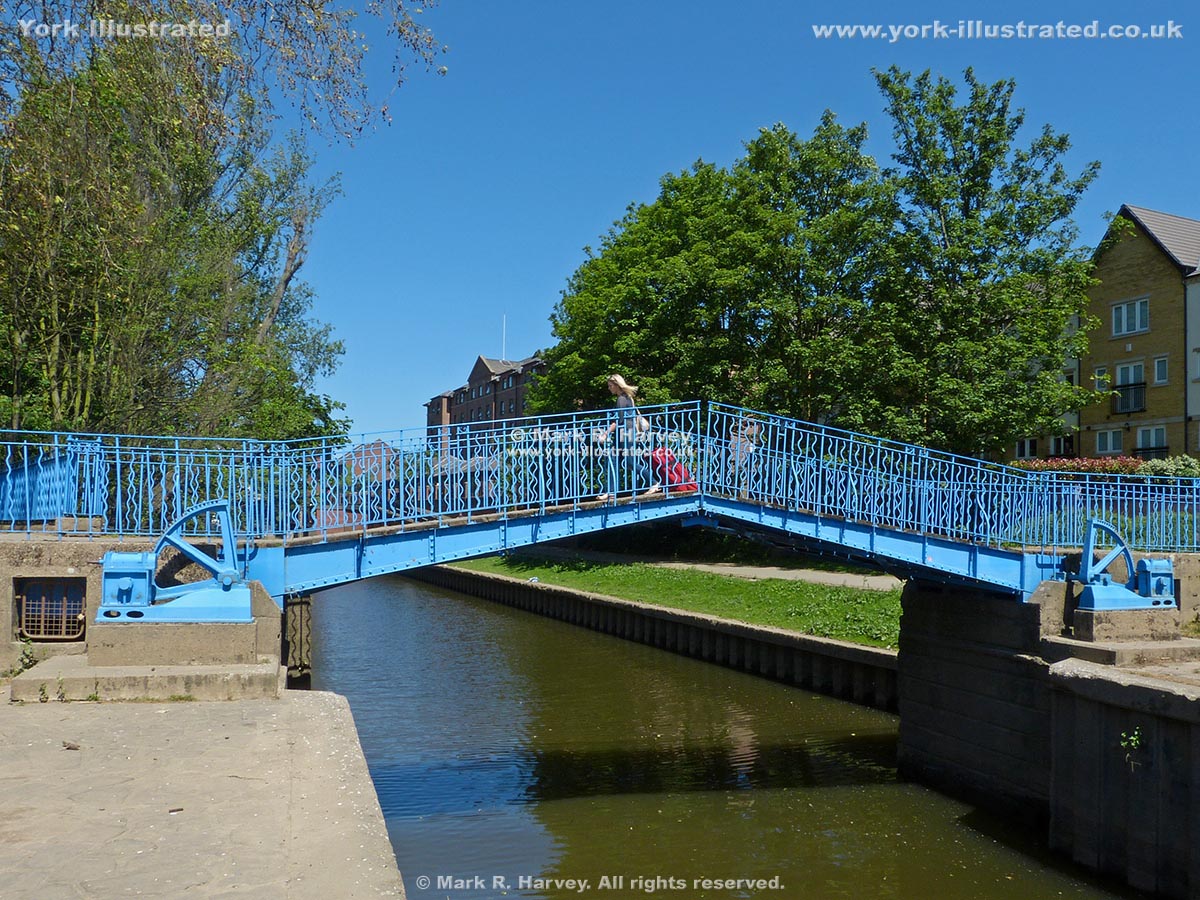
Blue Bridge

This manually-operated double-leaf bascule footbridge carries the riverside path across Browney Dyke (a section of the Foss Navigation near the River Ouse).

Read more

Photo as per caption. Opens larger version.

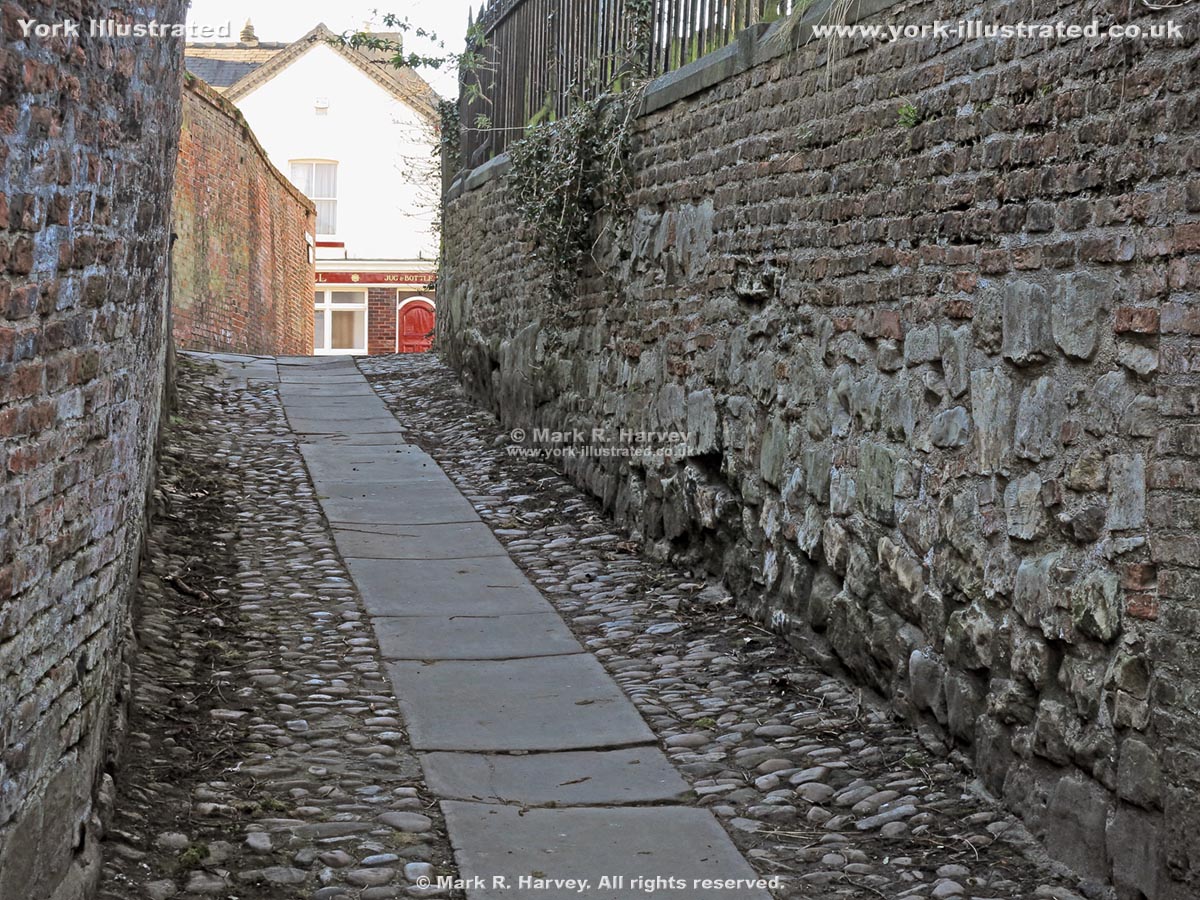
Carr's Lane

The steep gradient, cobble and flagstone road surface and high retaining walls give Carr's Lane an interesting and distinctive character.

Read more

Photo as per caption. Opens larger version.

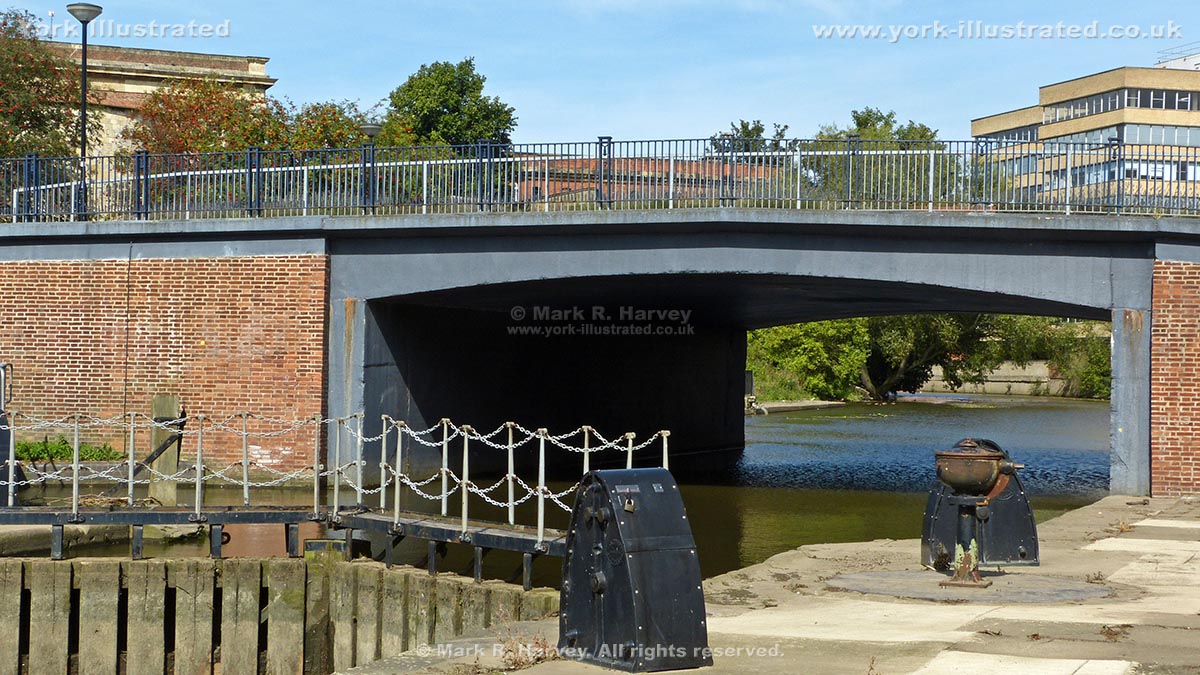
Castle Mills Bridge

Castle Mills Bridge was built in 1955 and 1956 to carry Tower Street (part of York's Inner Ring Road) across the River Foss (aka the Foss Navigation).

Read more

Photo as per caption. Opens larger version.

Castle Mills Lock

Castle Mills Lock is 34 metres long x 6 metres wide. It was built in 1796, widened in 1889 and is now the only operational lock on the Foss Navigation.

Read more

Photo as per caption. Opens larger version.

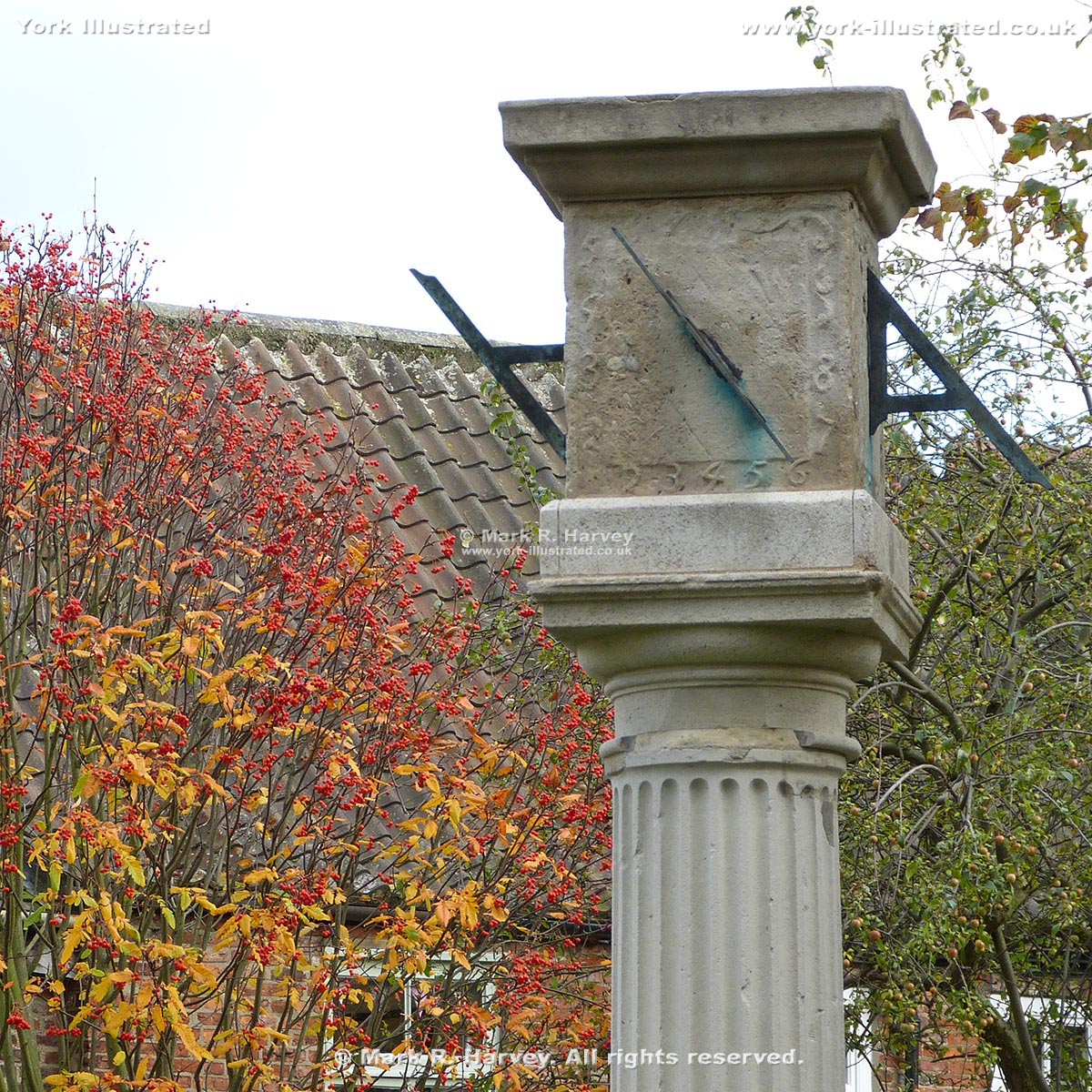
College Green Sundial

The centre-piece of College Green is a circular stone seat with a fluted Doric column rising through the centre, topped by a cubical sundial.

Read more

Photo as per caption. Opens larger version.

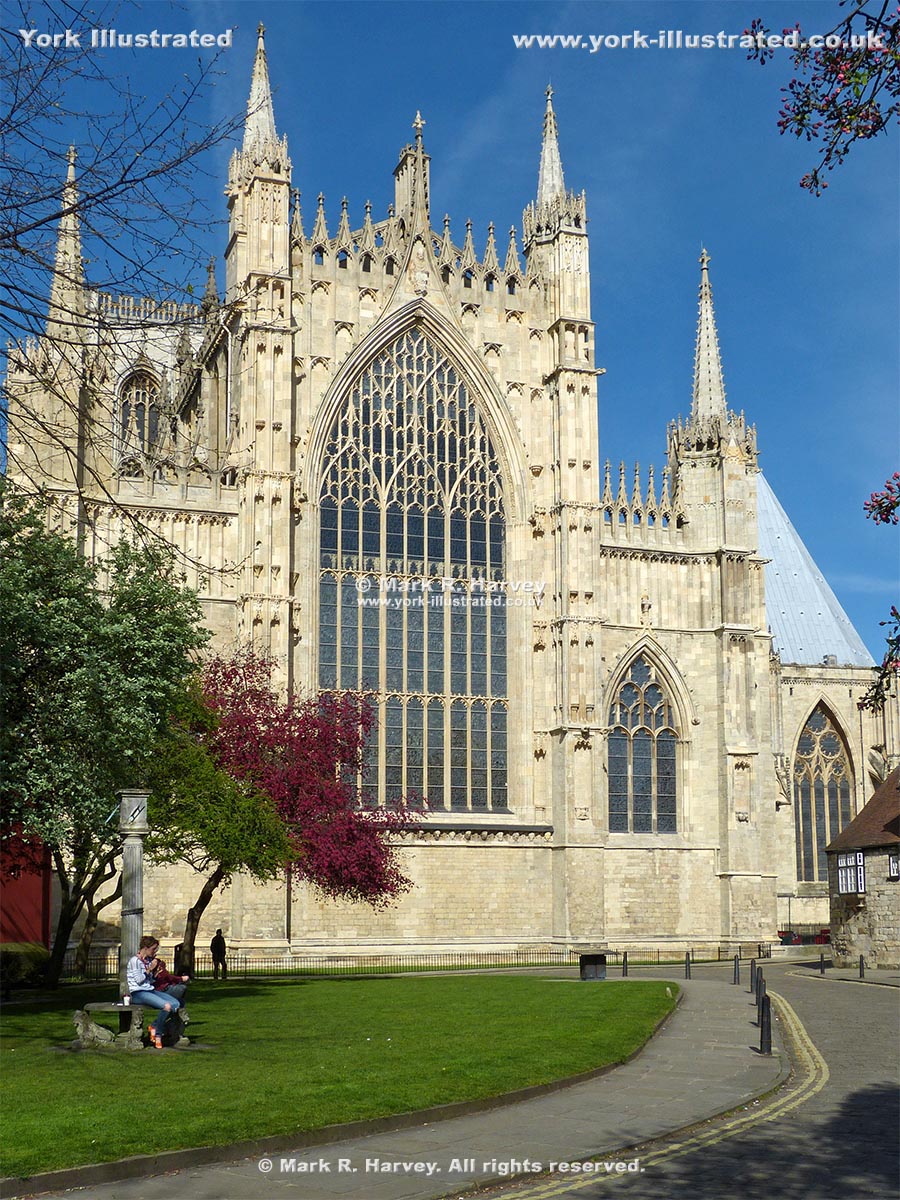
College Street and College Green

College Street is named after St William’s College on the northeast side. The creation of College Green has opened-up a lovely view of the Minster's East Front.

Read more

Photo as per caption. Opens larger version.

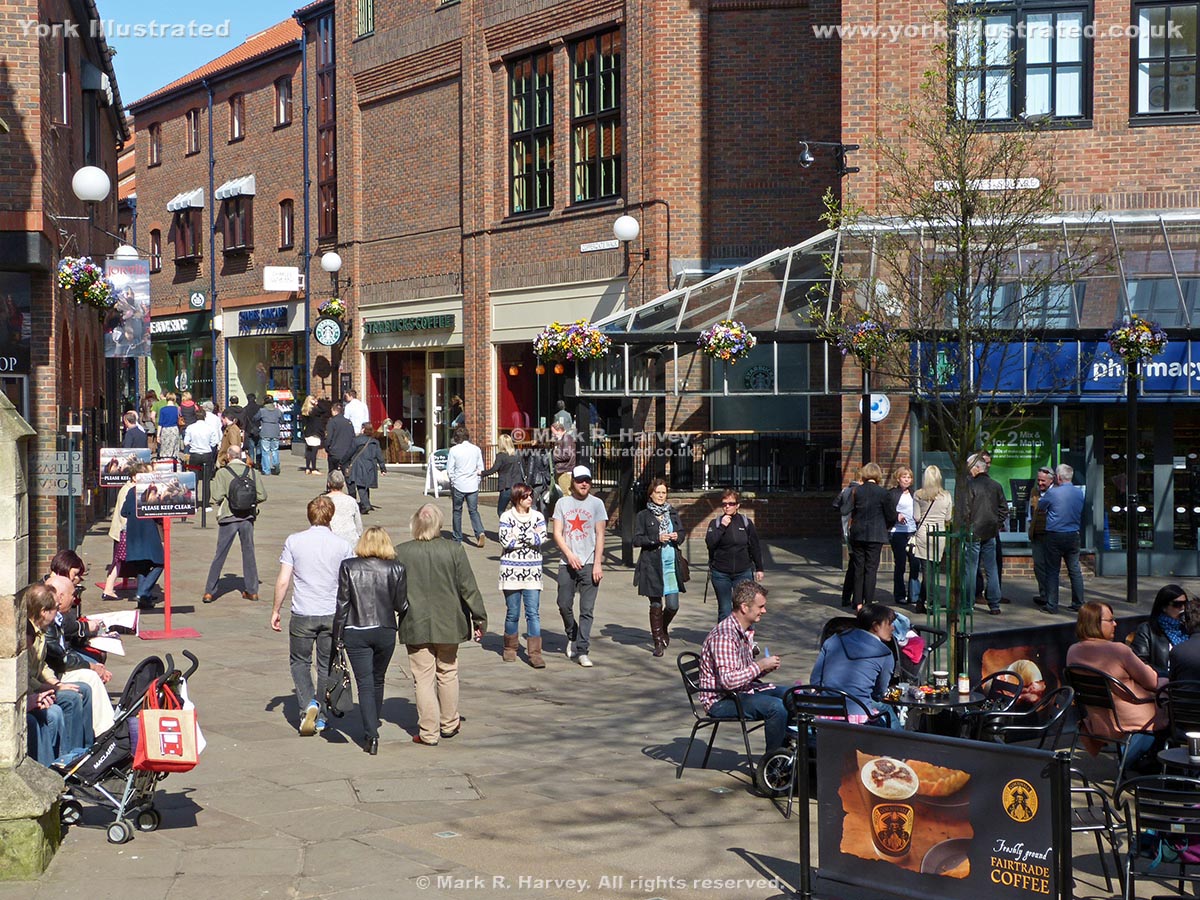
Coppergate Walk and St Mary's Square

Coppergate Walk and St Mary's Square are relatively recent additions to the city's modern shopping area, opening to the public in 1984.

Read more

Photo as per caption. Opens larger version.

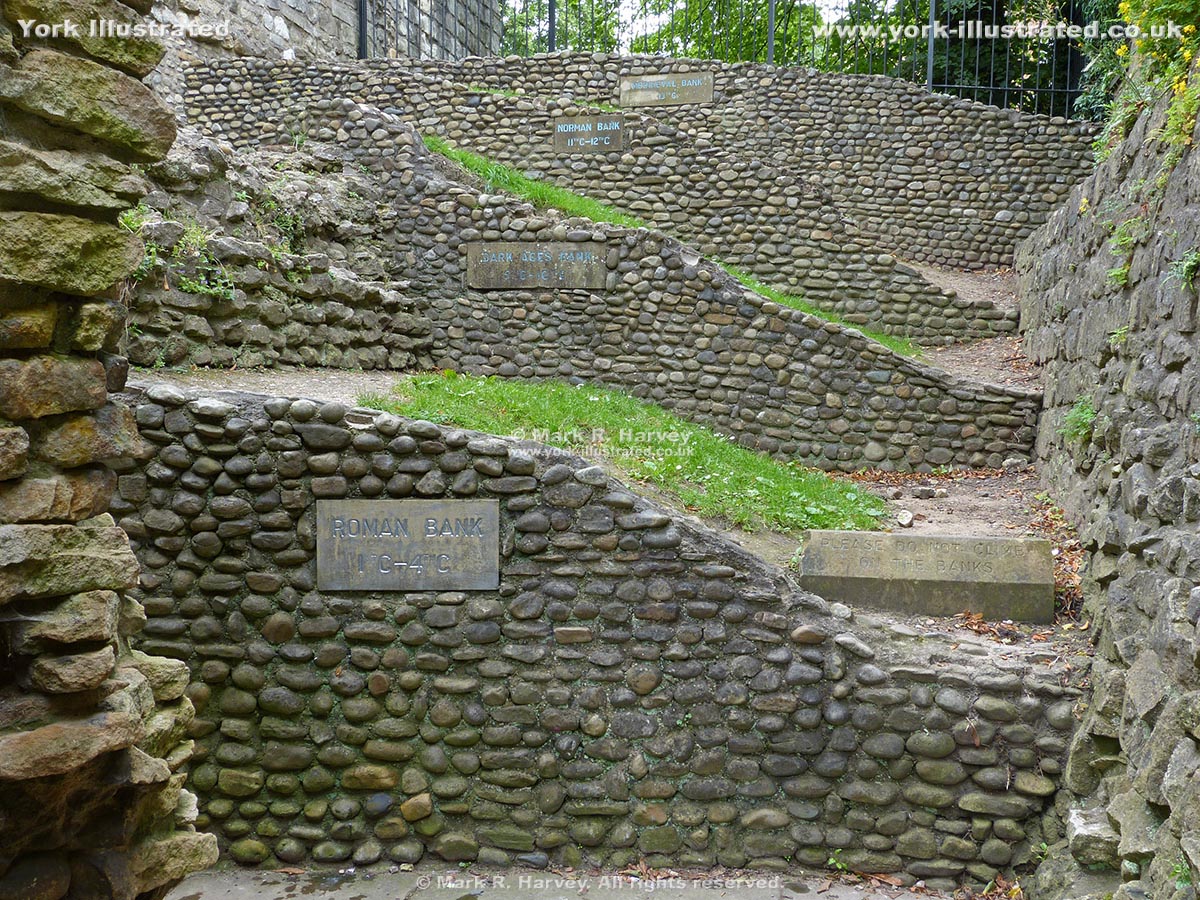
Cross-sections through Defensive Bank (Rampart)

This set of four of cross-sections through the ramparts show how this section of the city's defences evolved over a period of more than thirteen centuries.

Read more

Photo as per caption. Opens larger version.

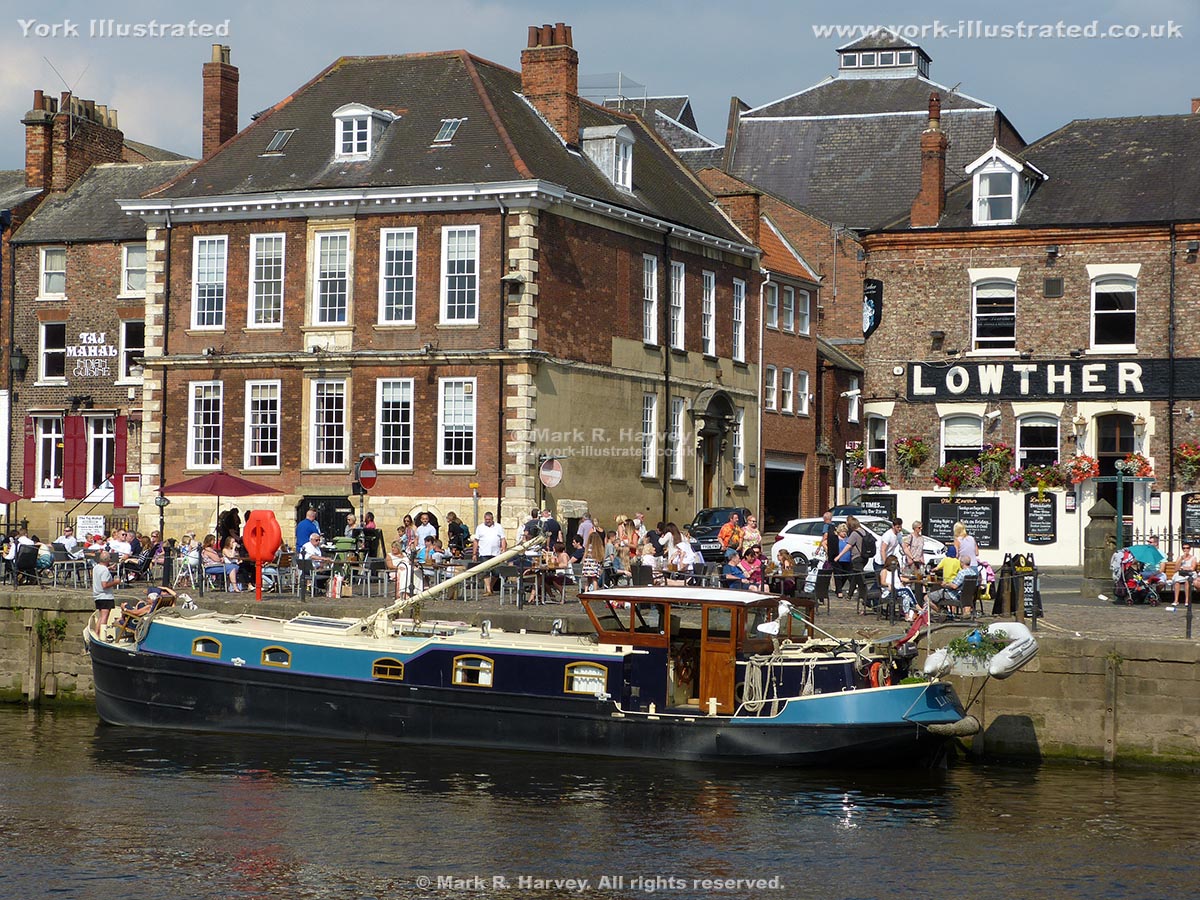
Cumberland House

Cumberland House is the oldest surviving commercial riverside building in York. It was built circa 1710 by William Cornwell as his townhouse and warehouse.

Read more

Photo as per caption. Opens larger version.

Dean's Park

Dean's Park is part of the Minster Close. For centuries the area was the residence of the Archbishop of York, but it is now managed as a delightful public park.

Read more

Photo as per caption. Opens larger version.

Deanery

The Deanery is the private residence of the Dean of York Minster. The Dean is responsible for the day to day running of the Minster.

Read more

Photo as per caption. Opens larger version.

Debtors' Prison Building (originally the County Gaol)

The Debtors' Prison was built in the attractive 'English Baroque' style between 1701 and 1705. Originally the County Gaol, it is now part of York Castle Museum.

Read more

Photo as per caption. Opens larger version.

Edible Wood

The Edible Wood is a small publicly accessible (wheelchair-friendly) garden dedicated to plants containing at least one edible component.

Read more

Pages