A longer and more detailed post, usually with three or more images.

Show / hide tips
  • Every item classified with this term is included in this extract.
  • The items have been grouped by content type, then listed in alphabetical order.
  • To speed-up page-loading, a maximum of 24 locations are displayed on each page.
  • If there are more than 24 items, click / tap on the page navigation buttons (located below the list) to display the additional page(s).
  • To view a larger version of an image, click / tap on the image.
  • To view all available information and images for an item of content, click / tap on its title or 'Read More' link. (If a 'Read more' link is provided, a brief article and / or a high quality external link is available.)
  • To view the locations on interactive maps and aerial imagery, use the 'Explore' app.
Article

Photo as per caption. Opens larger version.

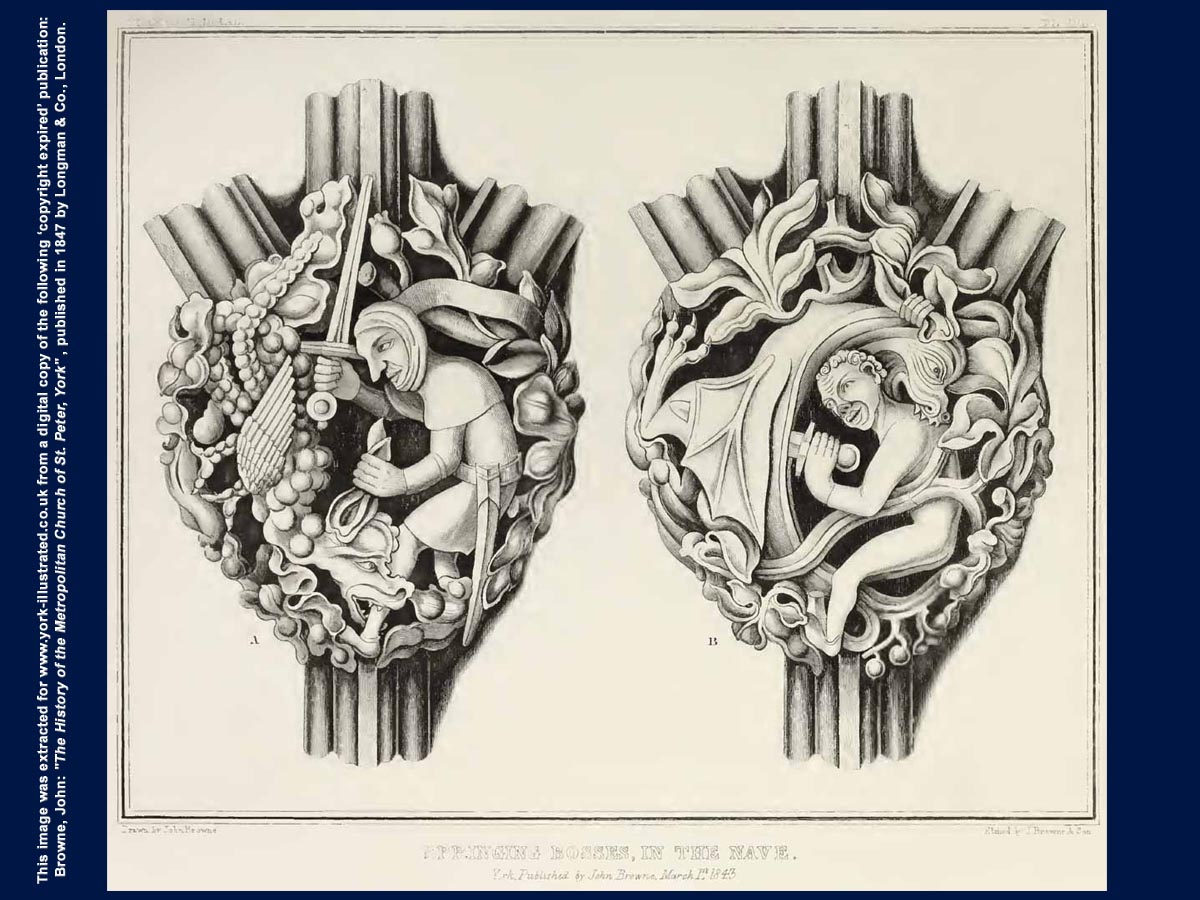
A brief introduction to John Browne and his illustrations of York Minster

John Browne (1793-1877) is best known for his historical research on York Minster and for his high quality illustrations of architectural details.

Read more

Gazetteer Entry

Photo as per caption. Opens larger version.

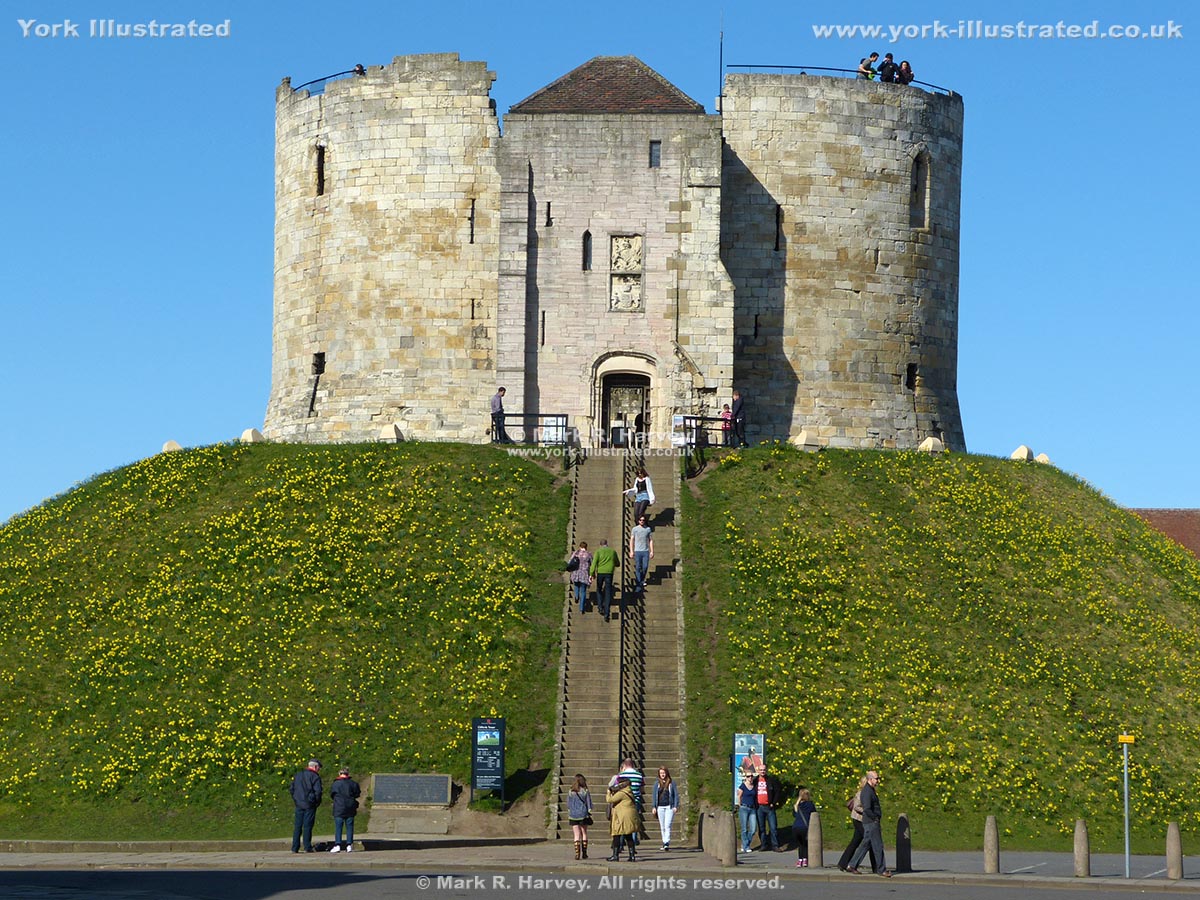
Clifford's Tower

Clifford's Tower (a.k.a. 'the King's Tower' or 'the Great Tower') is the keep of York Castle. Its 'quadrilobate' (four-lobed) design is unique in England.

Read more

Photo as per caption. Opens larger version.

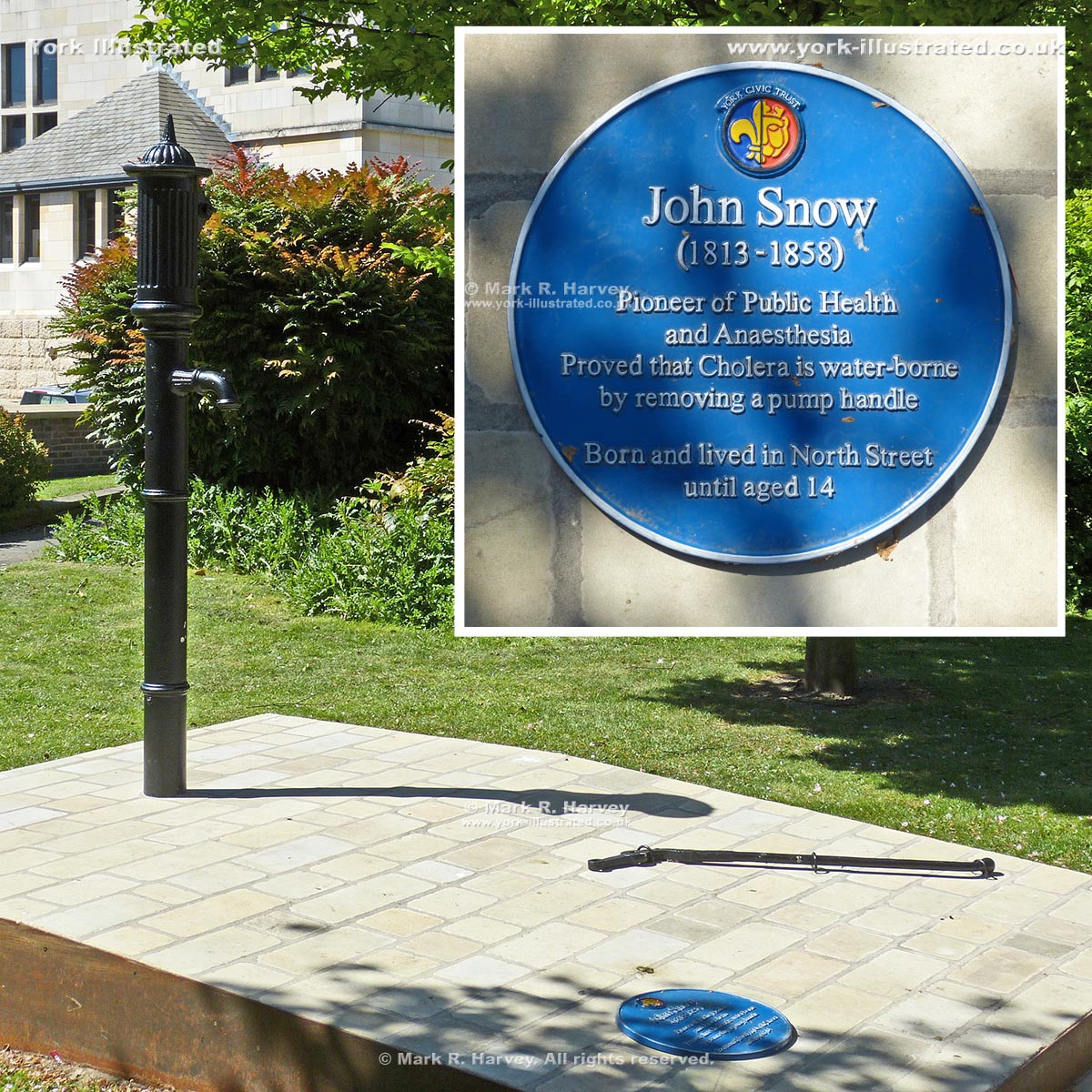
John Snow Memorial

In 1854, York-born physician John Snow confirmed the link between cholera and polluted water by removing the handle of a communal water pump in London's Soho.

Read more

Photo as per caption. Opens larger version.

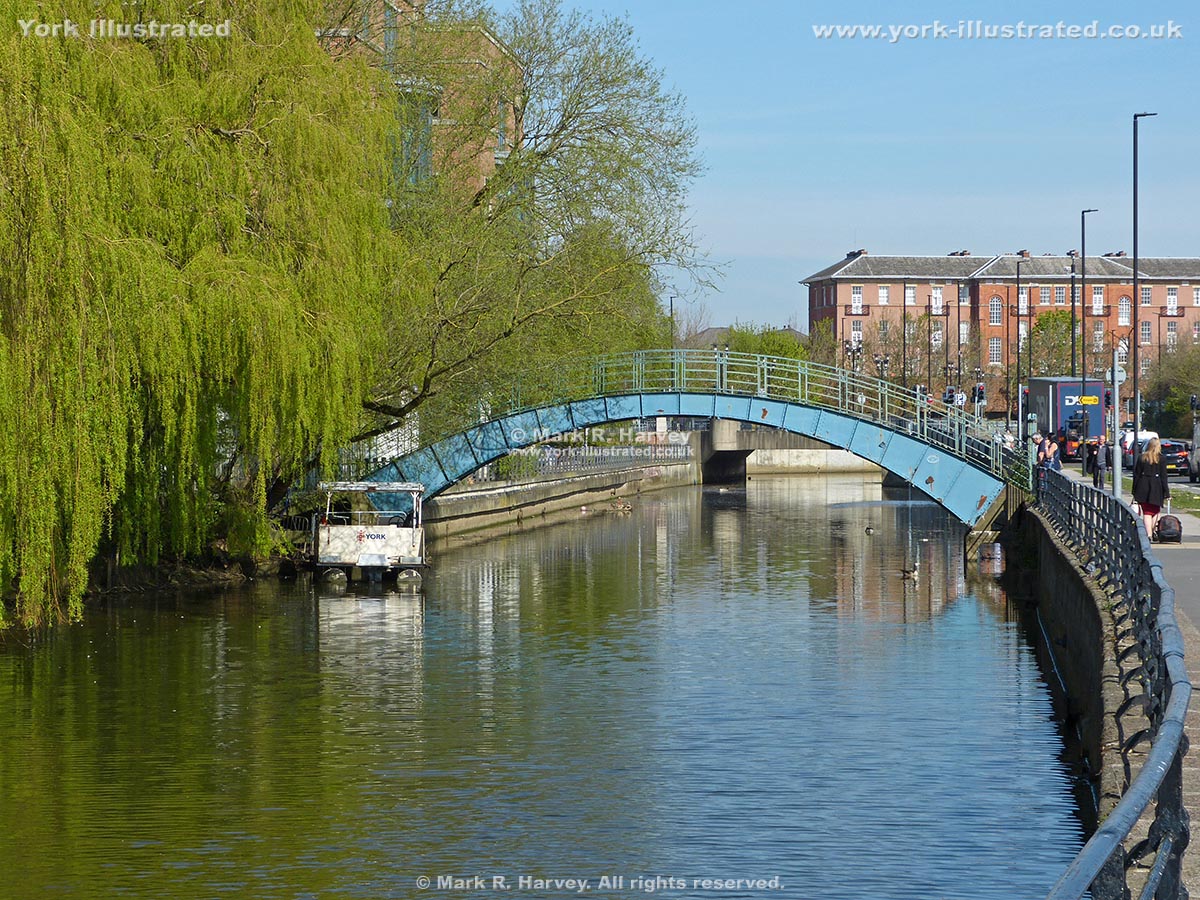
King's Fishpond

'The King's Fishpond' was a large man-made lake that was created by damming the River Foss. It formed a key part of the city's defences for almost 600 years.

Read more

Photo as per caption. Opens larger version.

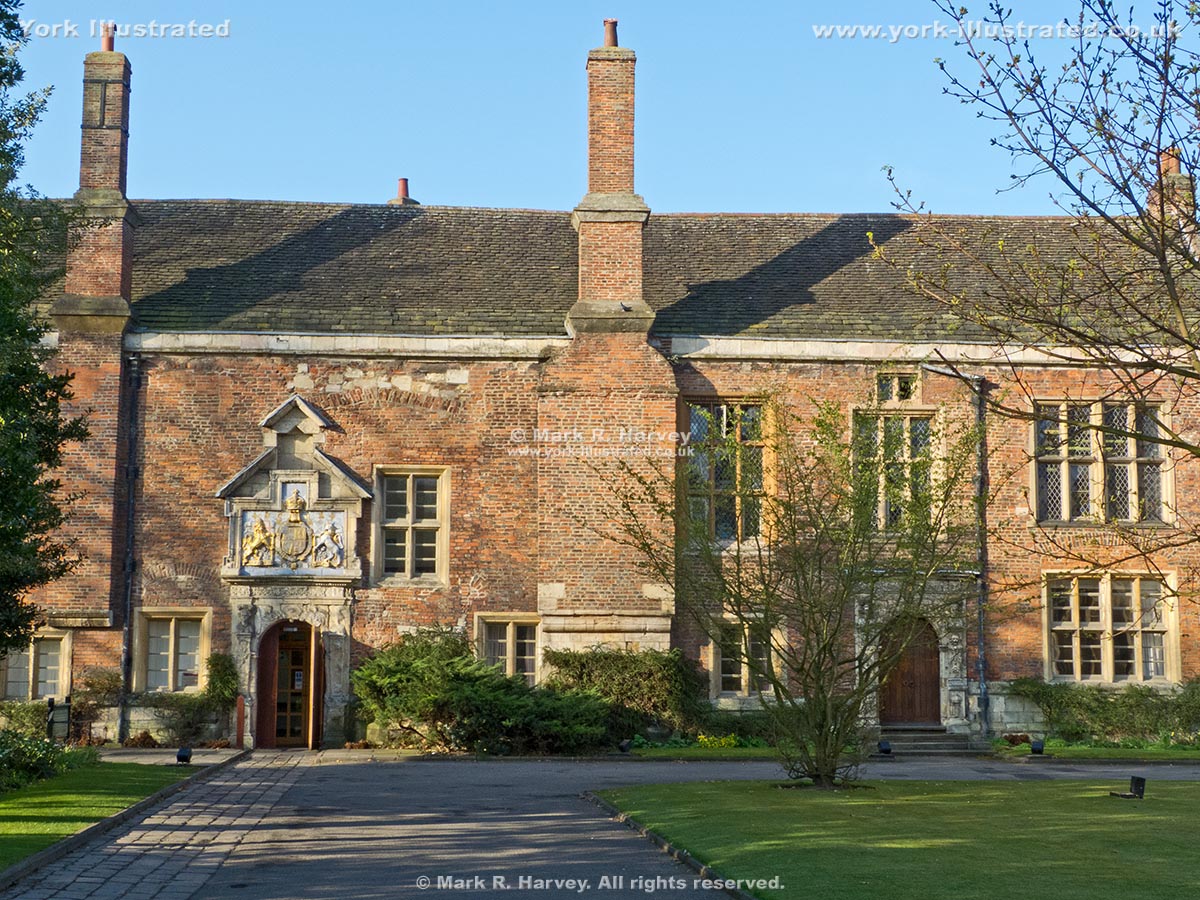
King's Manor

This site has a fascinating history. From medieval times until 1539, it was the residence of the Abbot of St Mary’s Abbey. Until 1641, it was the official residence of the President of the King's 'Council in the North'.

Read more

Photo as per caption. Opens larger version.

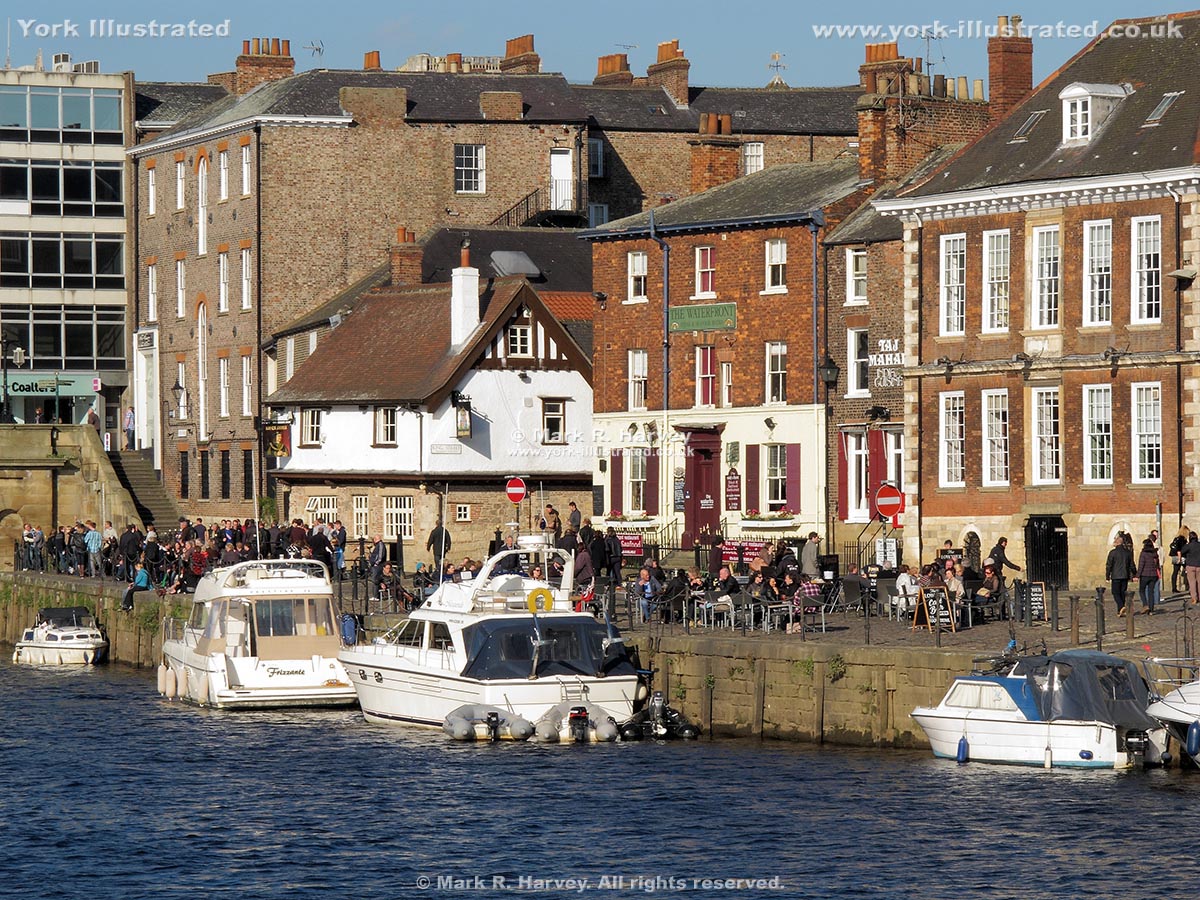
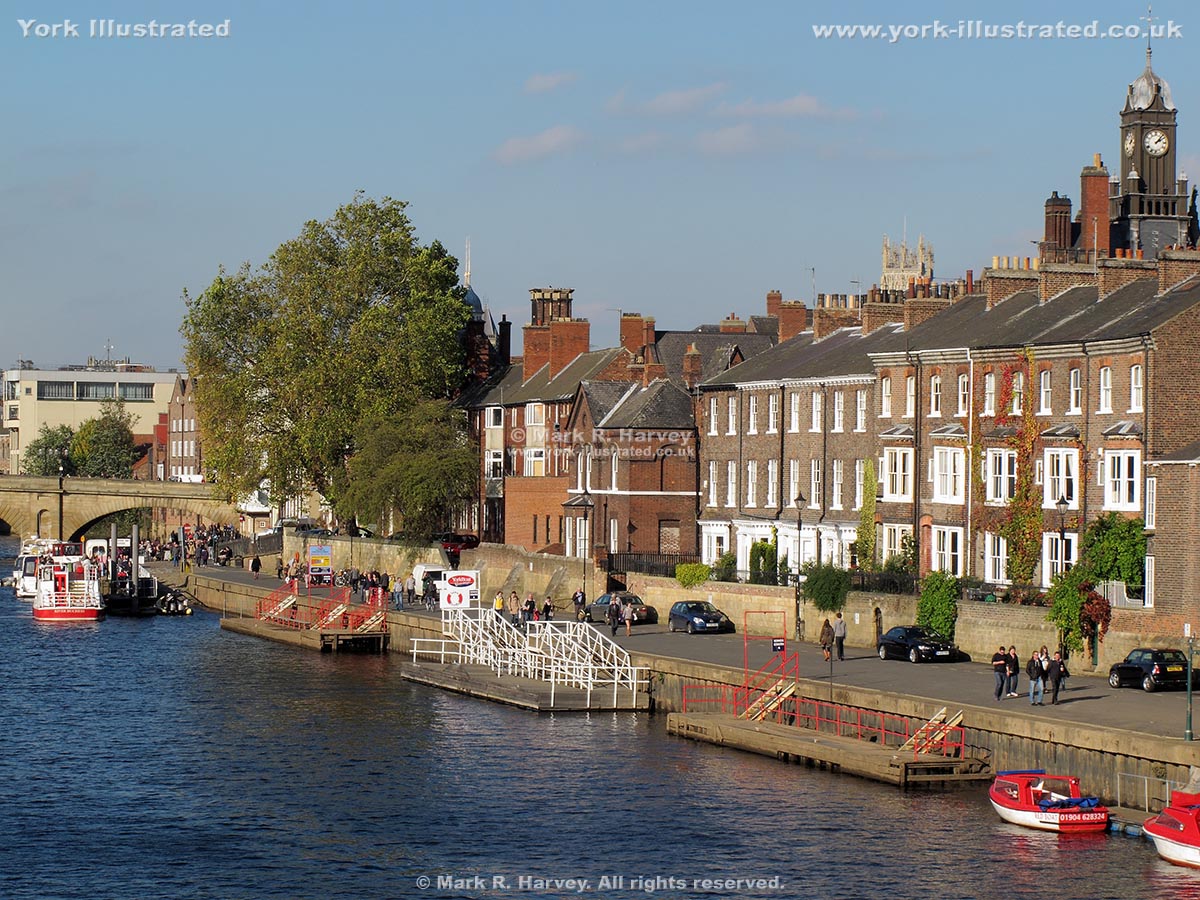
King's Staith

King's Staith was the city's main quayside during the medieval period. It is now a popular and characterful leisure location (except when the River Ouse is in flood).

Read more

Photo as per caption. Opens larger version.

Micklegate Bar

Micklegate Bar is the grand ceremonial entrance to the city of York. It has protected and controlled the city's southwestern approaches since the 12th century.

Read more

Photo as per caption. Opens larger version.

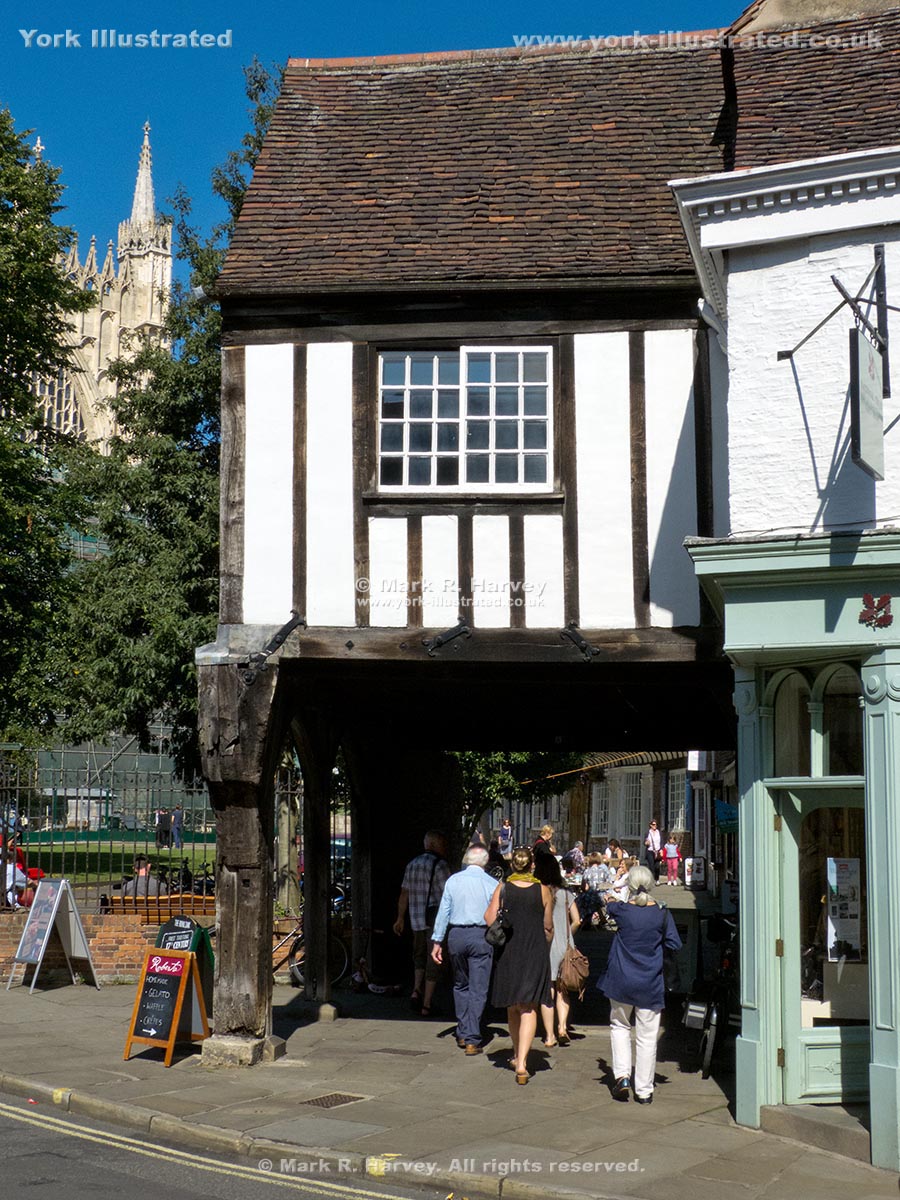
Minster Gatehouse

The Minster Gatehouse straddles the original alignment of College Street. The gates controlled access to the precinct of York Minster from Goodramgate.

Read more

Photo as per caption. Opens larger version.

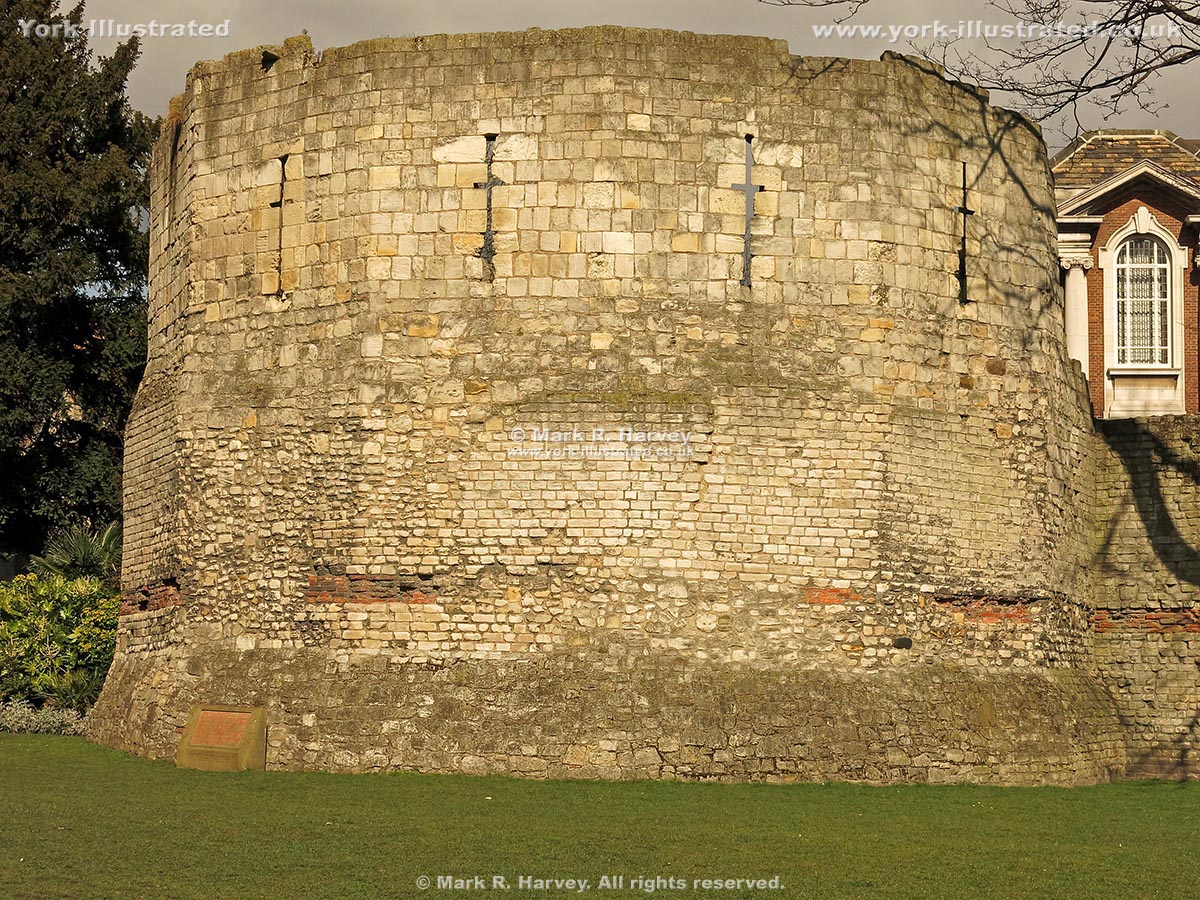
Multangular Tower

The Grade I listed Multangular Tower incorporates the base of the second century* western angle tower of the Roman legionary fortress of Eboracum.

Read more

Photo as per caption. Opens larger version.

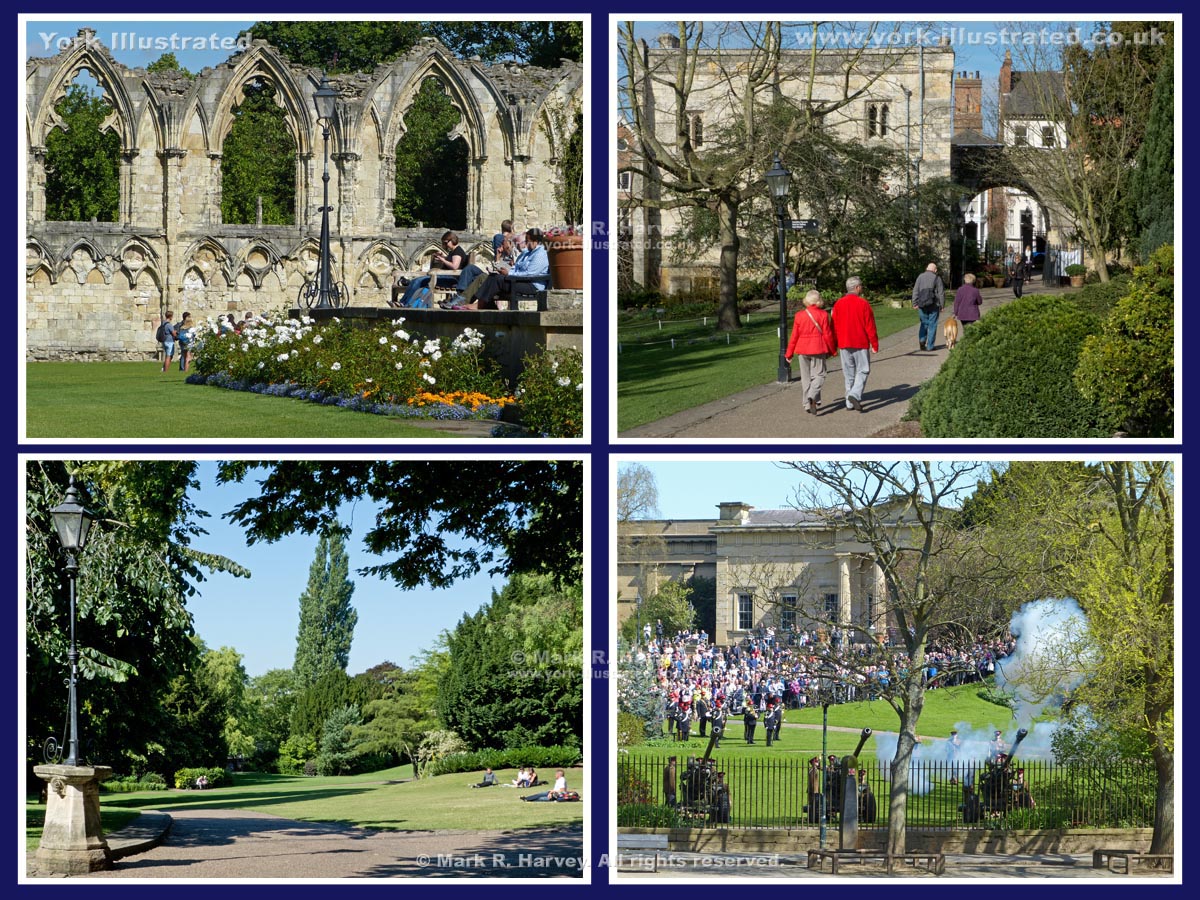
Museum Gardens

Museum Gardens is a beautiful park set within the walls of the ruined St Mary's Abbey, right next to the city centre. It is perfect for a peaceful walk/picnic.

Read more

Photo as per caption. Opens larger version.

New Walk

The New Walk is a ¾ mile (1.2 km) long riverside footpath and cycle route linking Tower Gardens and the South Esplanade with the Millennium Footbridge.

Read more

Photo as per caption. Opens larger version.

North Street Gardens

This pleasant oasis beside the River Ouse was donated to the city of York in 1959. The site was previously occupied by a flour mill and Rowntree’s Cocoa Works.

Read more

Photo as per caption. Opens larger version.

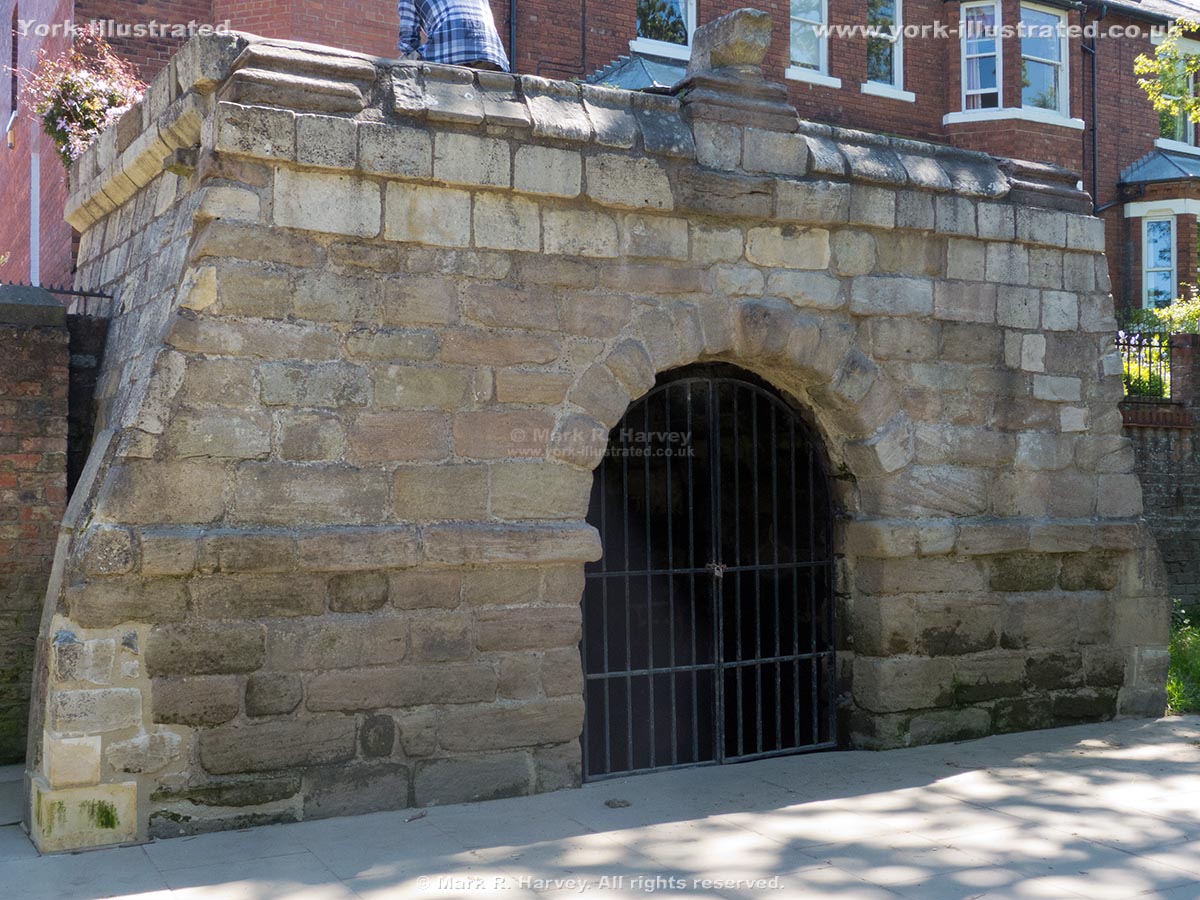
Pikeing Well

Pikeing Well is a Grade II listed well house on the site of 'a remarkably fine spring of clear water'. The water was said to have 'medicinal properties'.

Read more

Photo as per caption. Opens larger version.

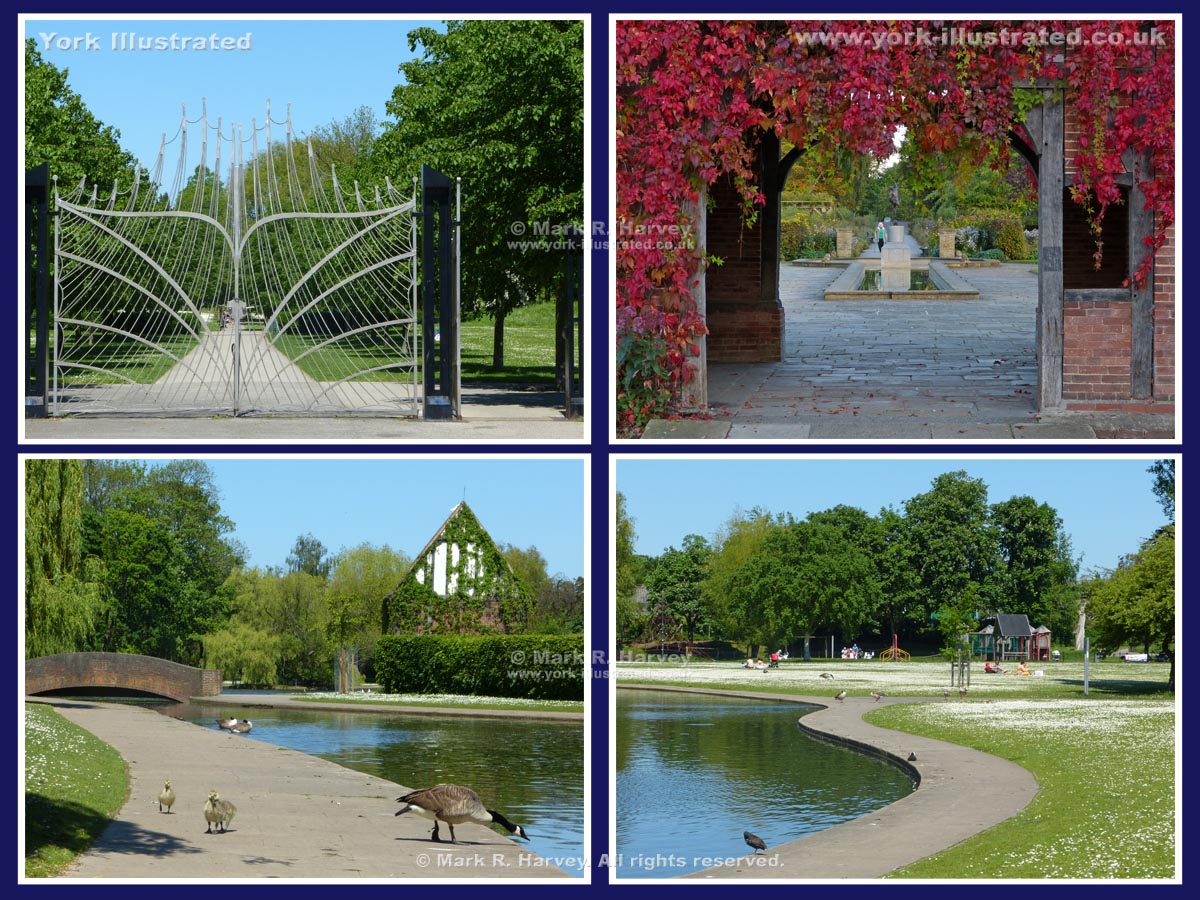
Rowntree Park

Rowntree Park is one of the city's hidden gems. Its facilities include wide-open green space, an ornamental lake, an exciting children's playground and a cafe.

Read more

Photo as per caption. Opens larger version.

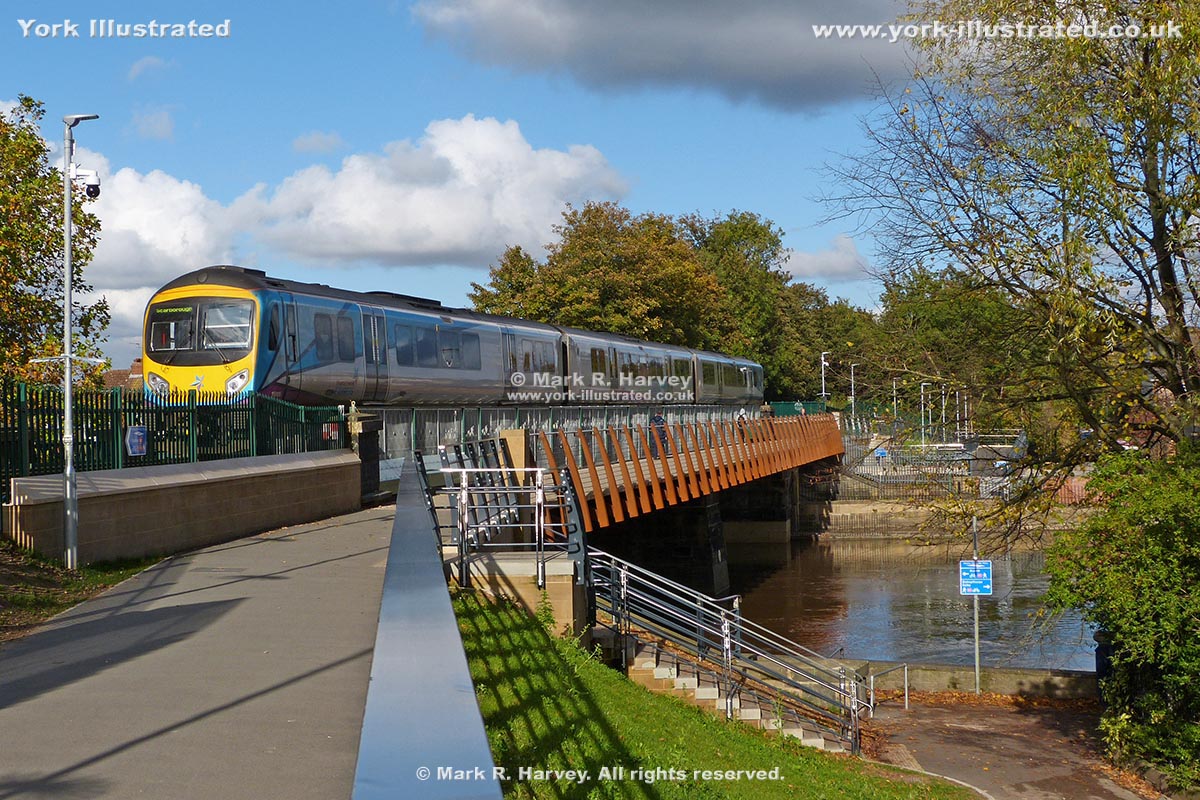
Scarborough Rail Bridge

The bridge was built in 1845 by the York and North Midland Railway Company to carry the York-Malton-Scarborough line across the River Ouse. The stone abutments and central pier were part of the original bridge, but the bridge deck has been replaced twice.

Read more

Photo as per caption. Opens larger version.

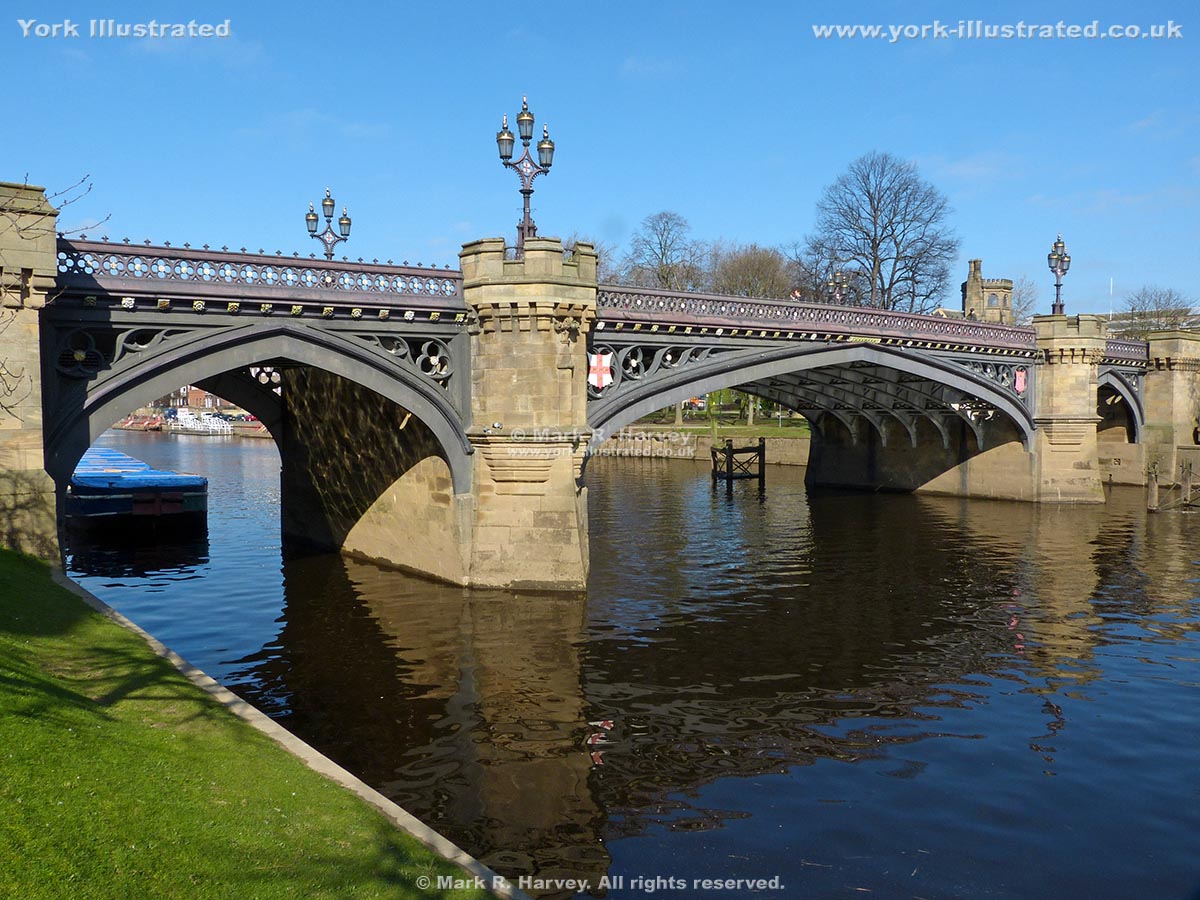
Skeldergate Bridge

Skeldergate Bridge was built in 1878-1880. It replaced a ferry that had carried people and small cargoes across the river since at least 1541. The decommissioned lifting section allowed tall ships to access the wharves and warehouses further upriver.

Read more

Photo as per caption. Opens larger version.

South Esplanade

The South Esplanade is a short, virtually traffic-free street on the north-eastern bank of the River Ouse between Tower Gardens and the King's Staith.

Read more

Photo as per caption. Opens larger version.

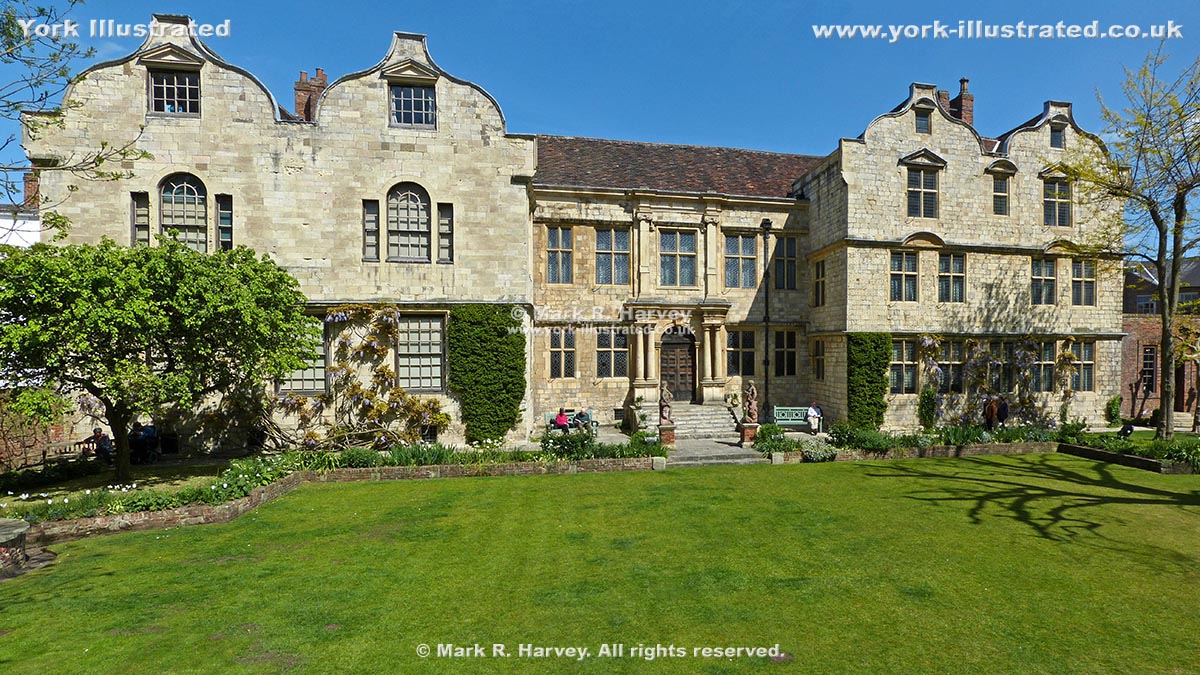
Treasurer's House

The Treasurer's House is a mostly 17th century building (now a National Trust property), but its story extends from Roman times to the 21st century.

Read more

Photo as per caption. Opens larger version.

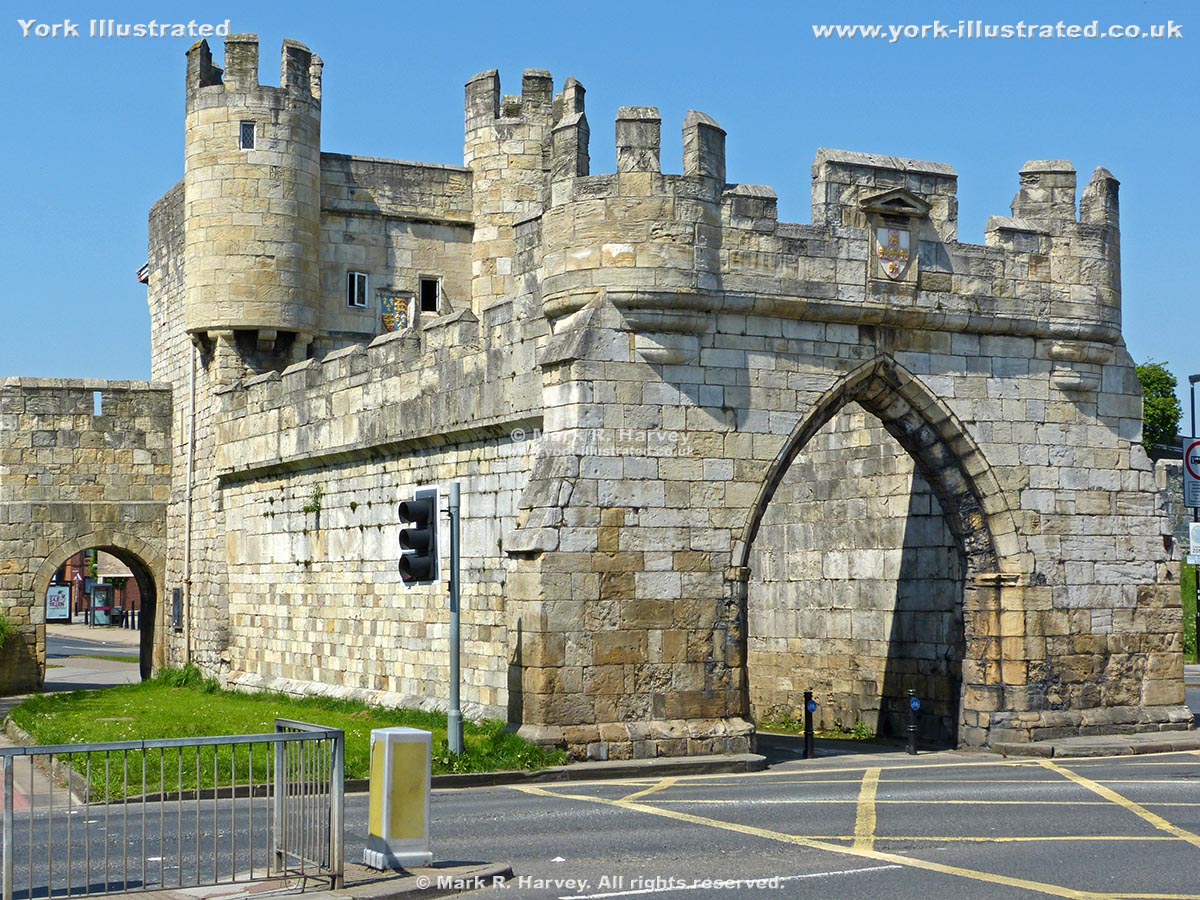
Walmgate Bar

Walmgate Bar is the most complete fortified gateway in the city and the only one to retain its barbican. The latter still bears the scars of the Civil War.

Read more

Photo as per caption. Opens larger version.

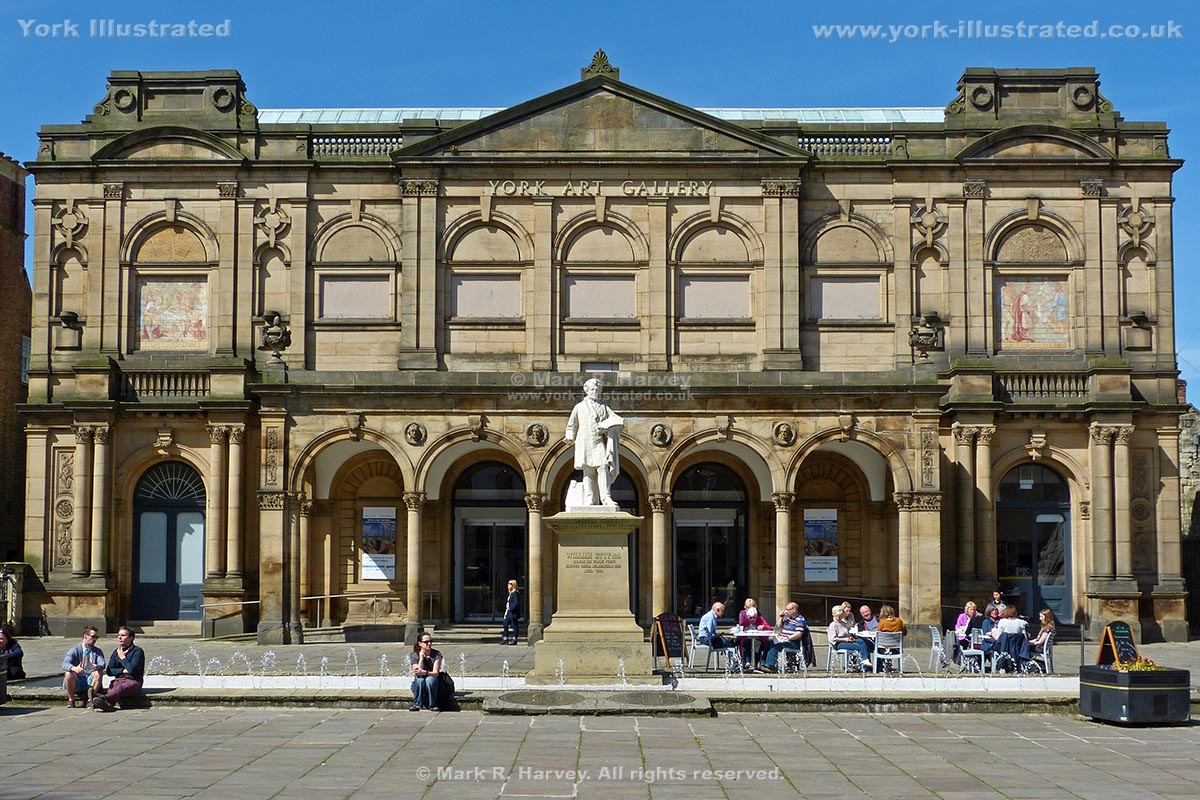
York Art Gallery

York's award-winning 'family-friendly' art gallery was built in 1879. It was extensively refurbished during 2013-15 at a cost of £8 million.

Read more