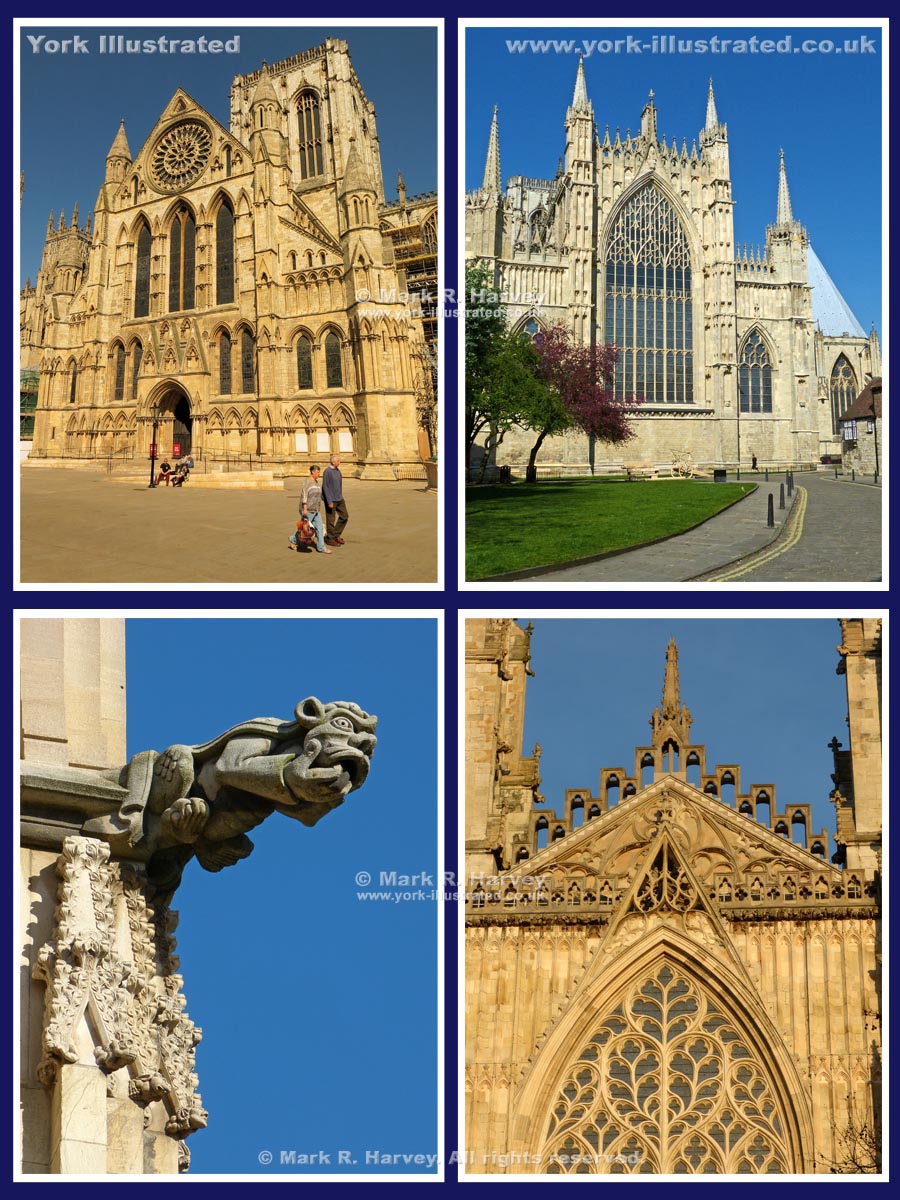
Three-star rating - VERY HIGHLY RECOMMENDED. For most first-time visitors, this location is likely to be a 'must-see' highlight.

Show / hide tips
  • Every item classified with this term is included in this extract.
  • The items have been grouped by content type, then listed in alphabetical order.
  • To speed-up page-loading, a maximum of 24 locations are displayed on each page.
  • If there are more than 24 items, click / tap on the page navigation buttons (located below the list) to display the additional page(s).
  • To view a larger version of an image, click / tap on the image.
  • To view all available information and images for an item of content, click / tap on its title or 'Read More' link. (If a 'Read more' link is provided, a brief article and / or a high quality external link is available.)
  • To view the locations on interactive maps and aerial imagery, use the 'Explore' app.
Gazetteer Entry

Photo as per caption. Opens larger version.

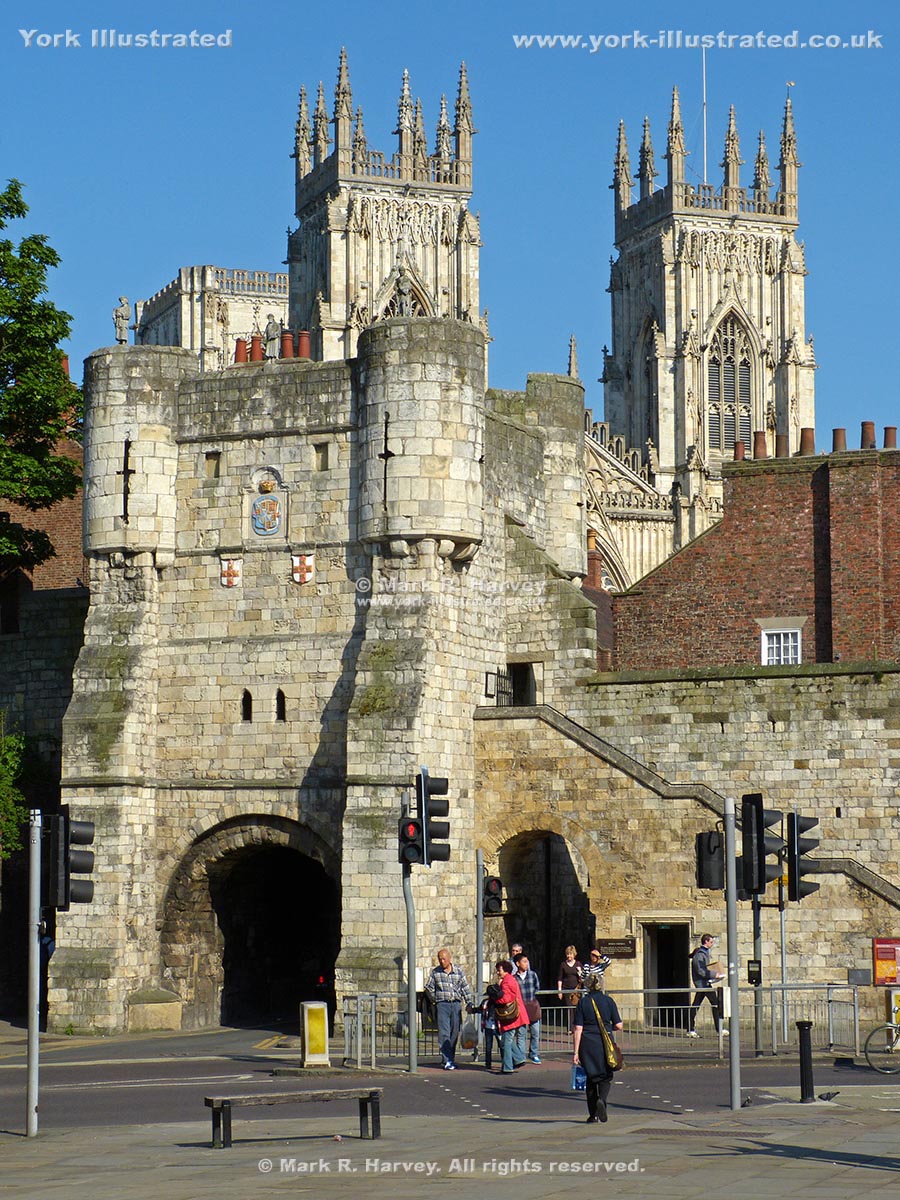
Bootham Bar

Bootham Bar was built in the 12th century to protect the city's western entrance. It now forms a key access point for the northern section of York's City Walls.

Photo as per caption. Opens larger version.

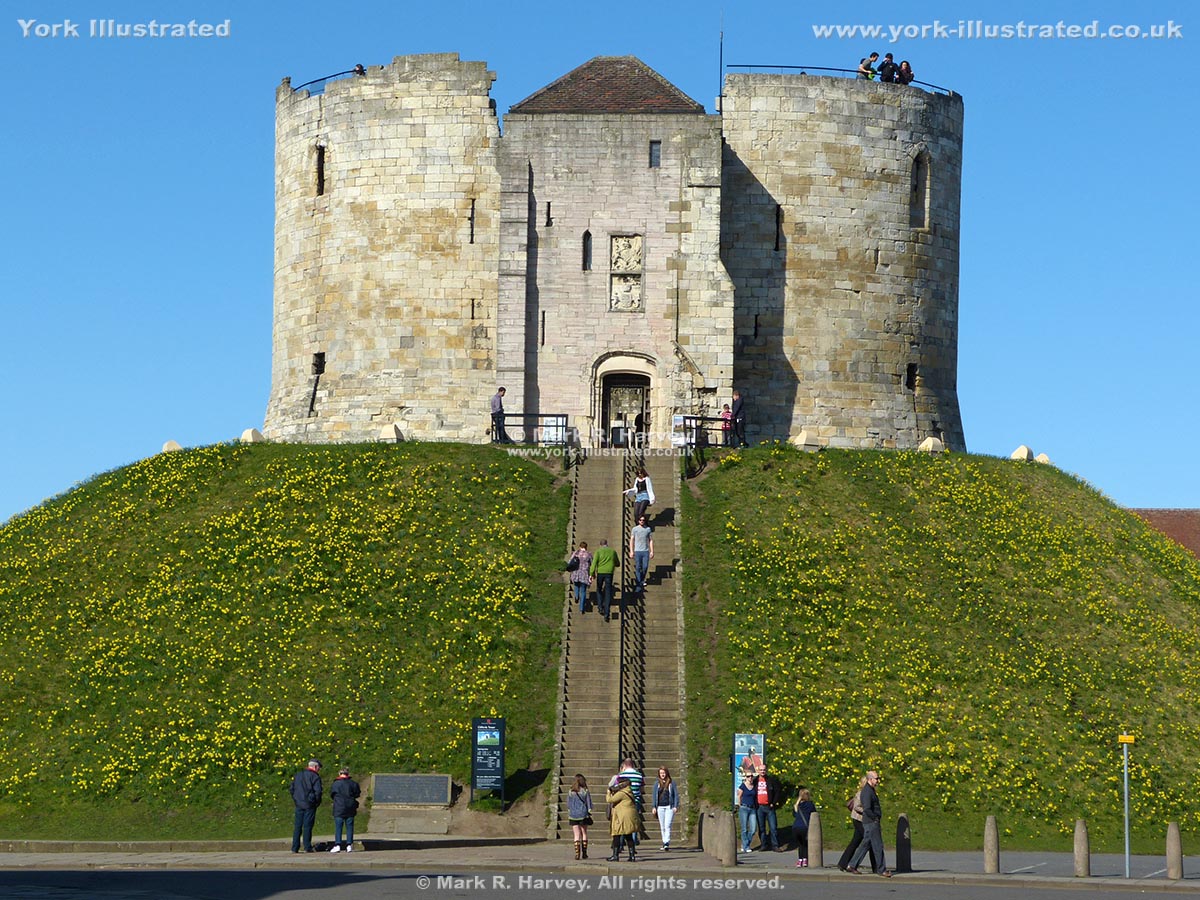
Clifford's Tower

Clifford's Tower (a.k.a. 'the King's Tower' or 'the Great Tower') is the keep of York Castle. Its 'quadrilobate' (four-lobed) design is unique in England.

Read more

Photo as per caption. Opens larger version.

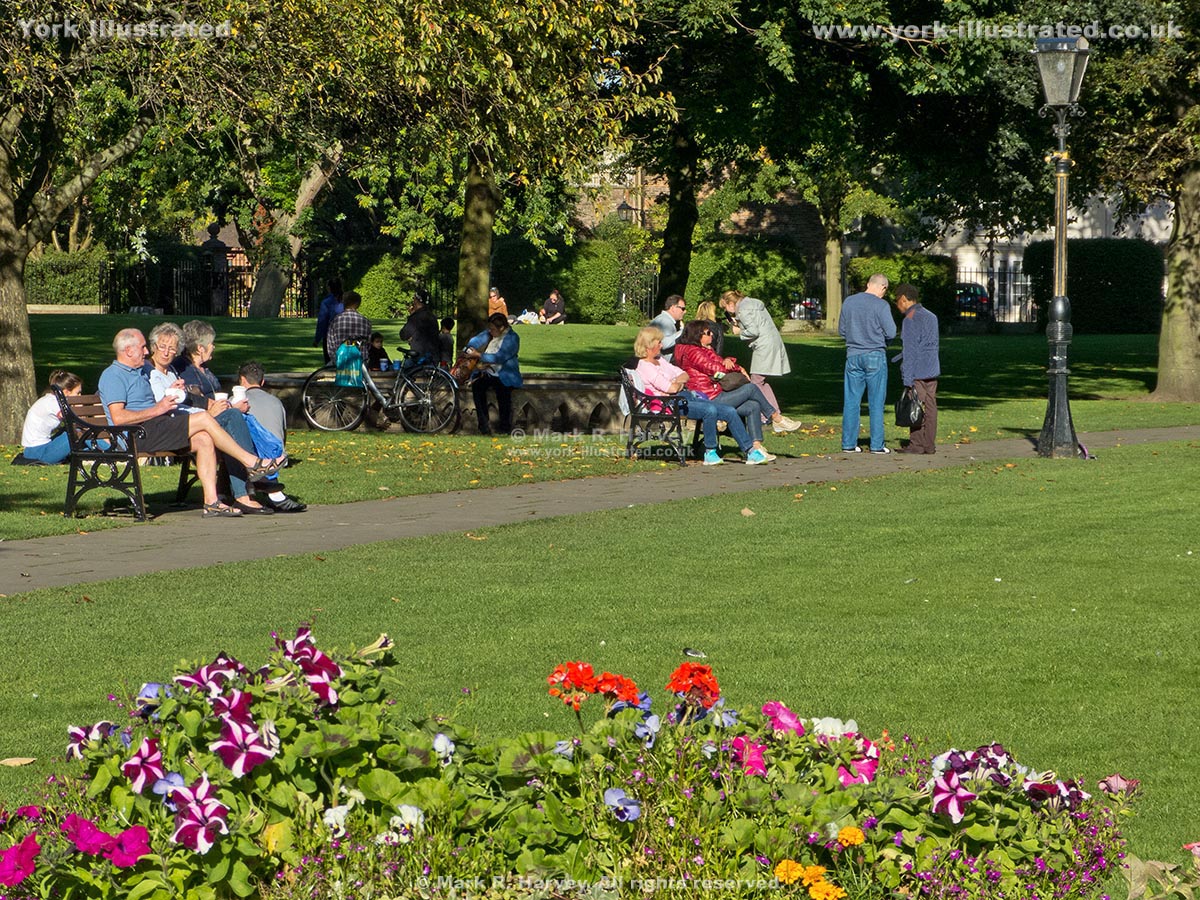
Dean's Park

Dean's Park is part of the Minster Close. For centuries the area was the residence of the Archbishop of York, but it is now managed as a delightful public park.

Read more

Photo as per caption. Opens larger version.

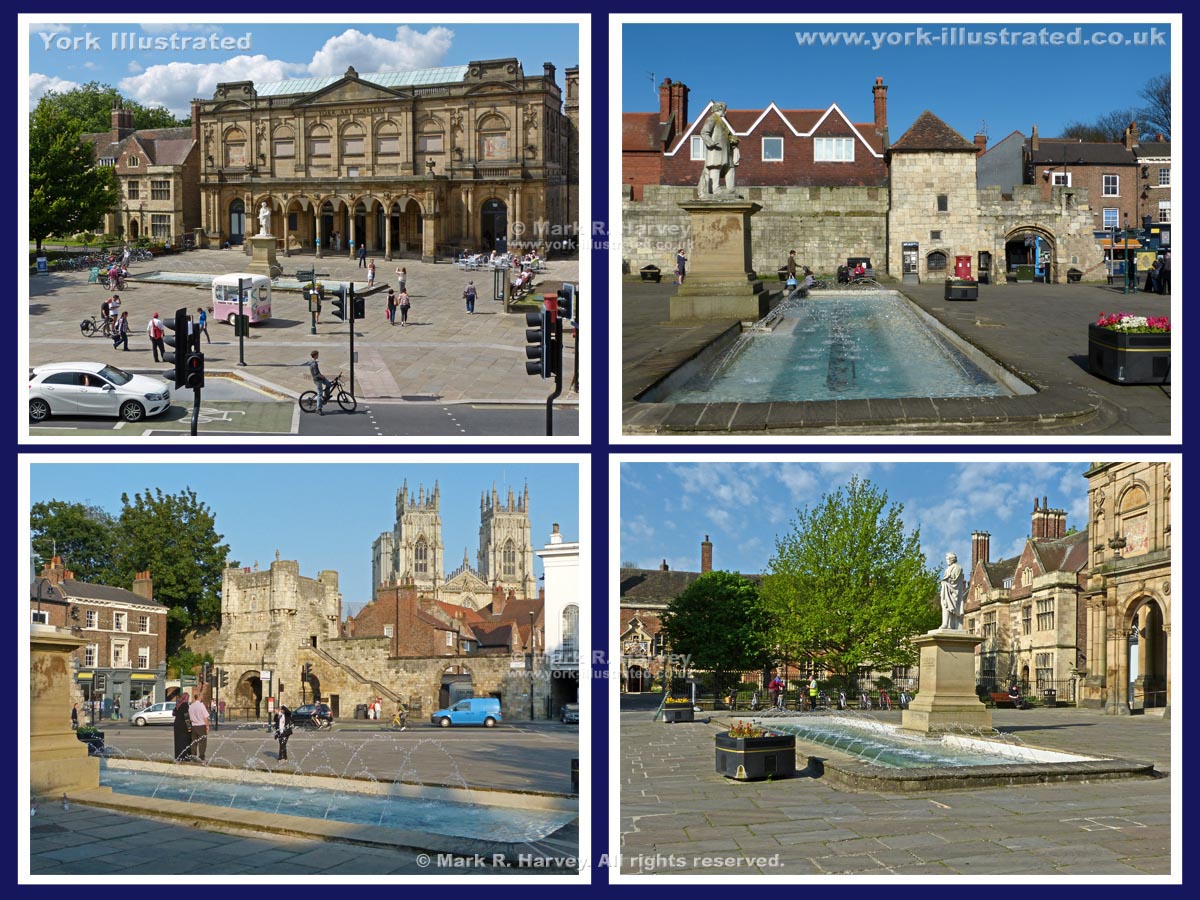
Exhibition Square

This pleasant public space was created in 1879 to provide an attractive setting for the city's new art gallery. The garden was replaced with a fountain in 1972.

Read more

Photo as per caption. Opens larger version.

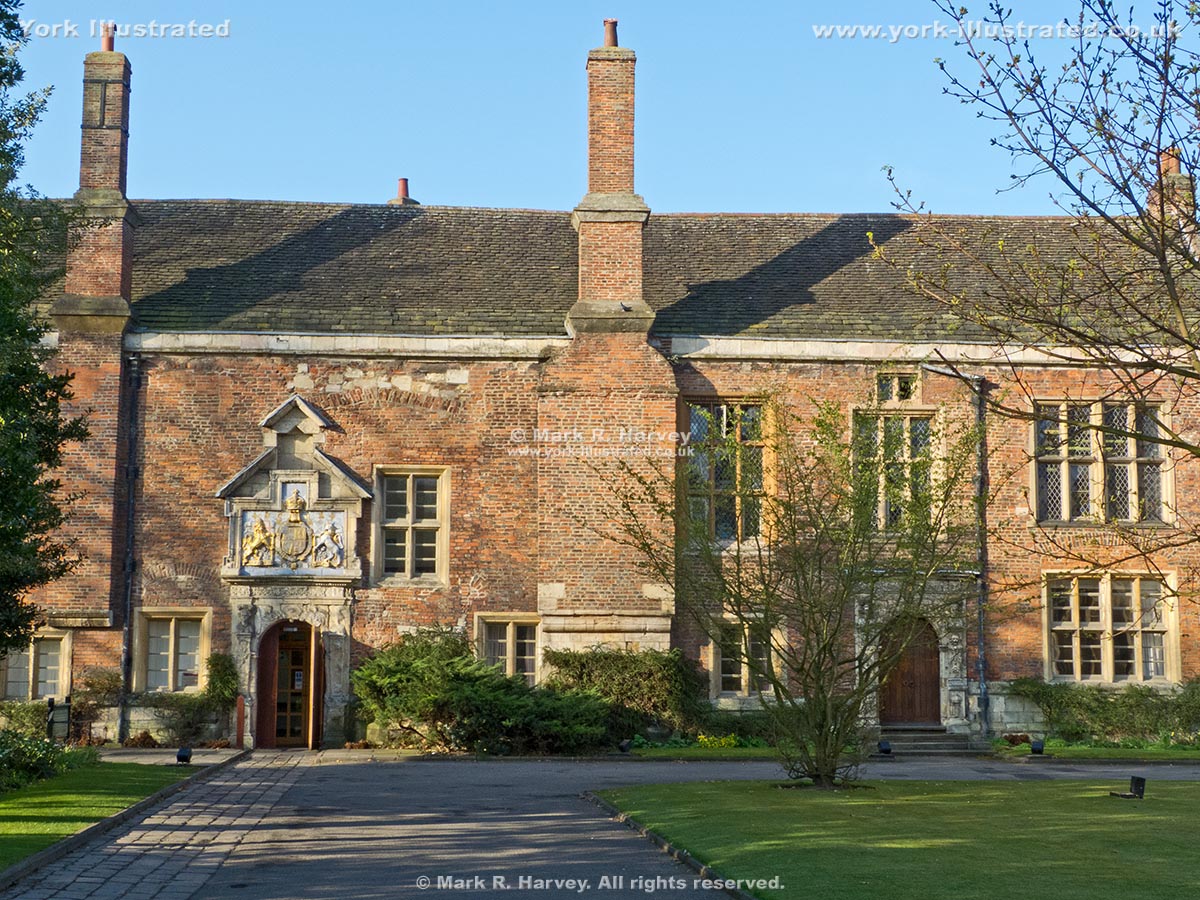
King's Manor

This site has a fascinating history. From medieval times until 1539, it was the residence of the Abbot of St Mary’s Abbey. Until 1641, it was the official residence of the President of the King's 'Council in the North'.

Read more

Photo as per caption. Opens larger version.

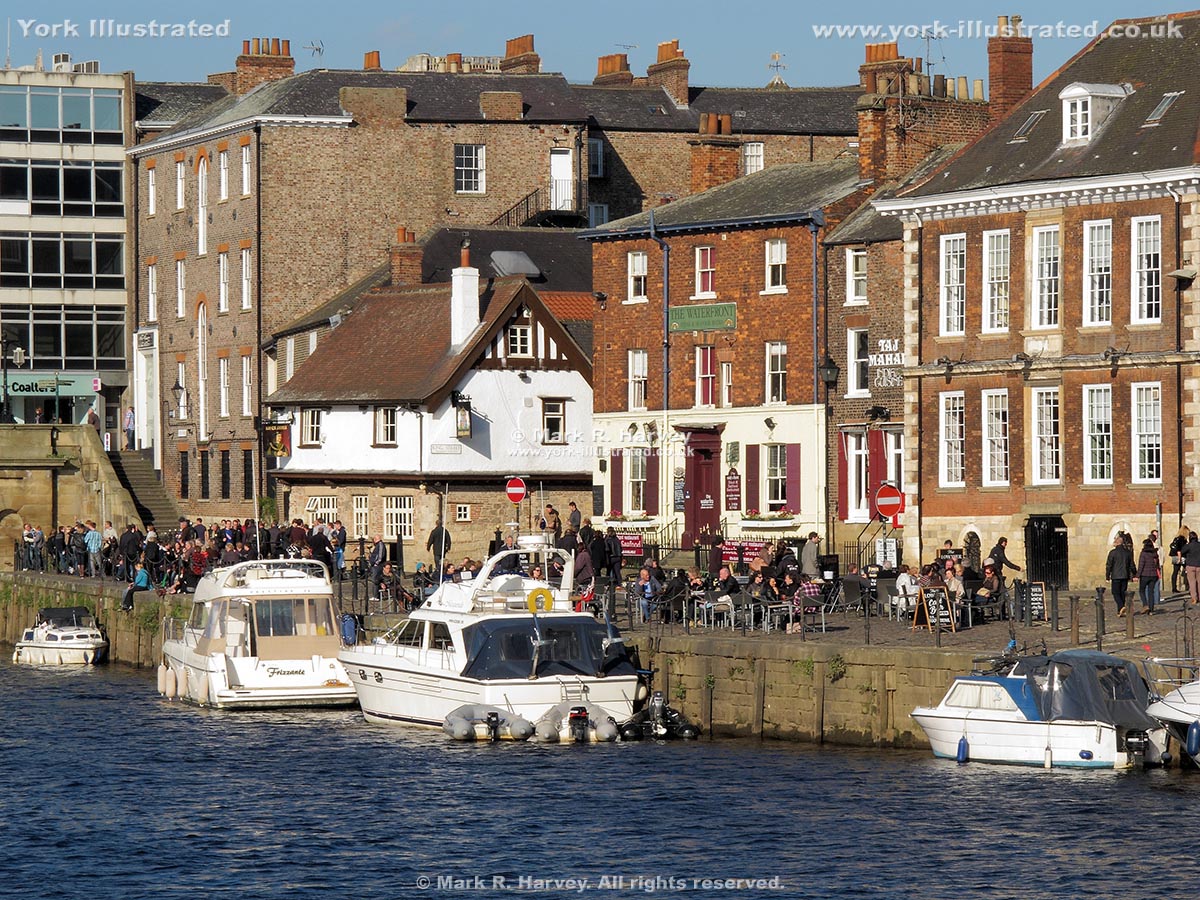
King's Staith

King's Staith was the city's main quayside during the medieval period. It is now a popular and characterful leisure location (except when the River Ouse is in flood).

Read more

Photo as per caption. Opens larger version.

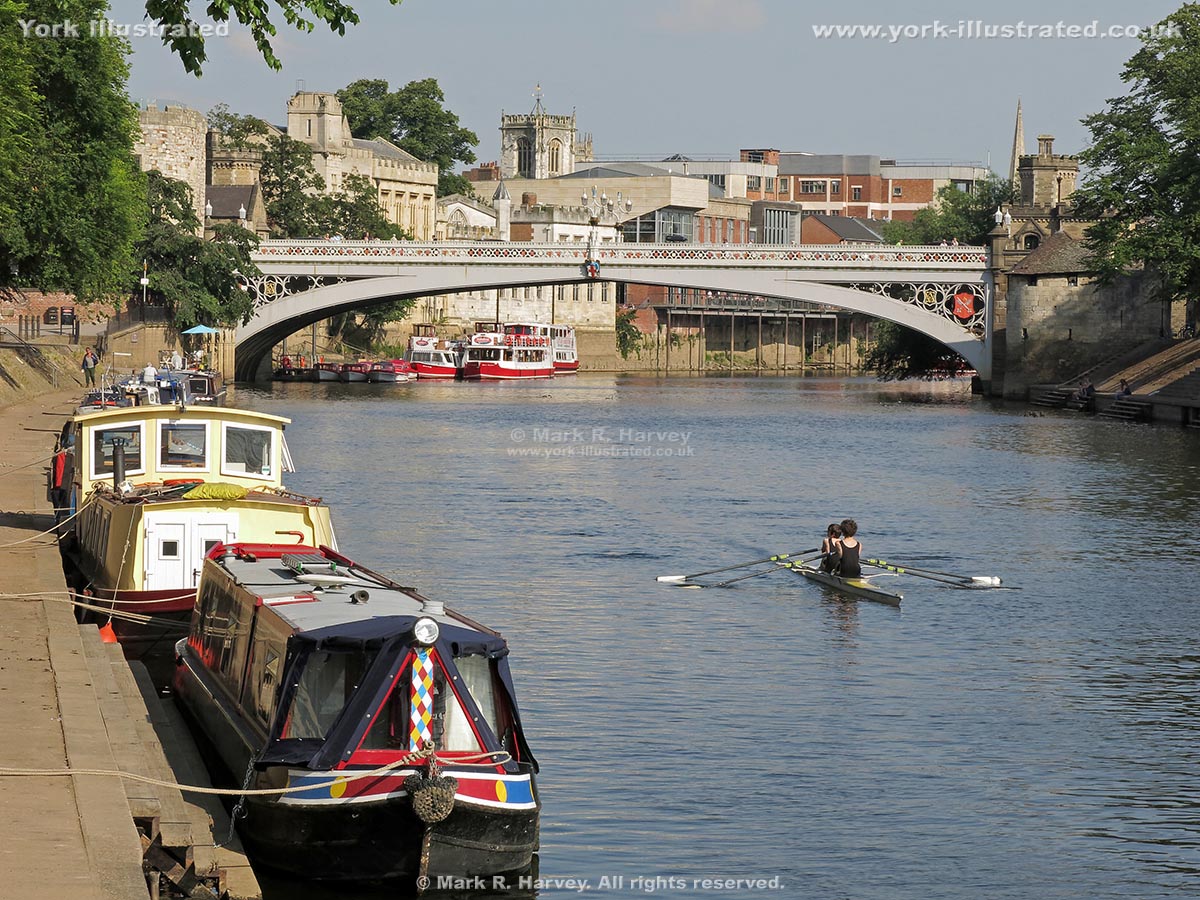
Lendal Bridge

Lendal Bridge offers superb views along the River Ouse. It was built to link York's commercial district with the railway station and it opened in 1863.

Read more

Photo as per caption. Opens larger version.

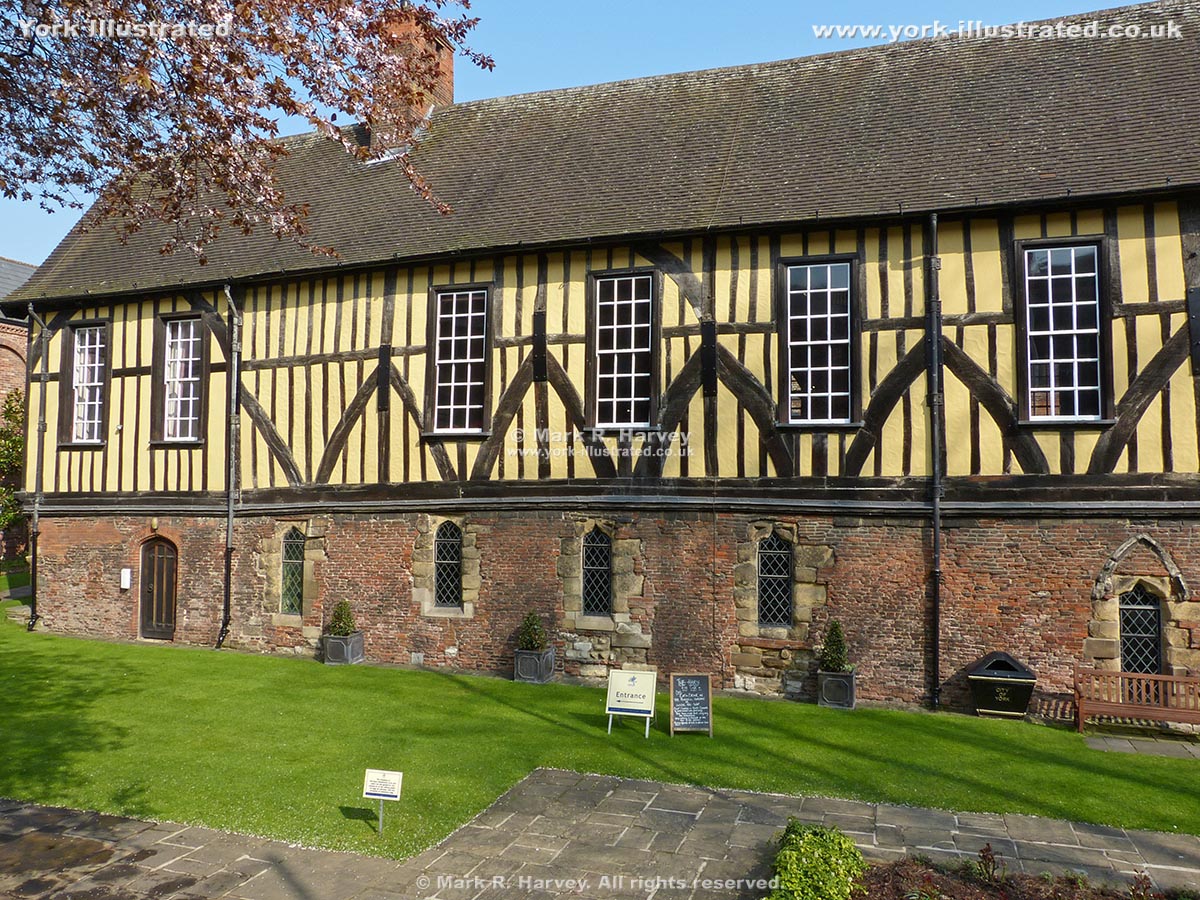
Merchant Adventurers' Hall

This picturesque guildhall is set in a peaceful small garden beside the River Foss. It was built in 14th century by the Company of Merchant Adventurers.

Read more

Photo as per caption. Opens larger version.

Micklegate Bar

Micklegate Bar is the grand ceremonial entrance to the city of York. It has protected and controlled the city's southwestern approaches since the 12th century.

Read more

Photo as per caption. Opens larger version.

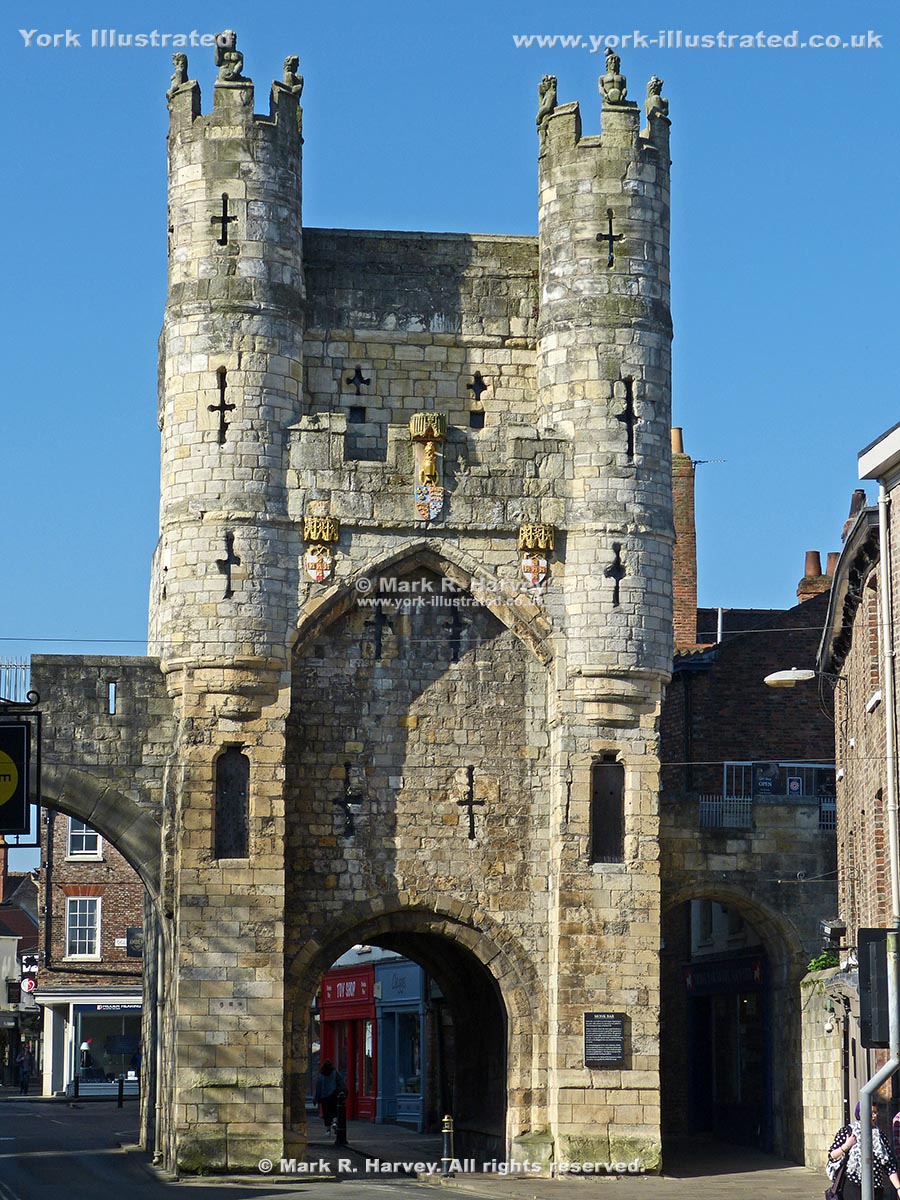
Monk Bar

Monk Bar is the tallest and strongest of the York's four main gateways. It was built in the 14th - 15th centuries to protect the city's northeastern approaches.

Read more

Photo as per caption. Opens larger version.

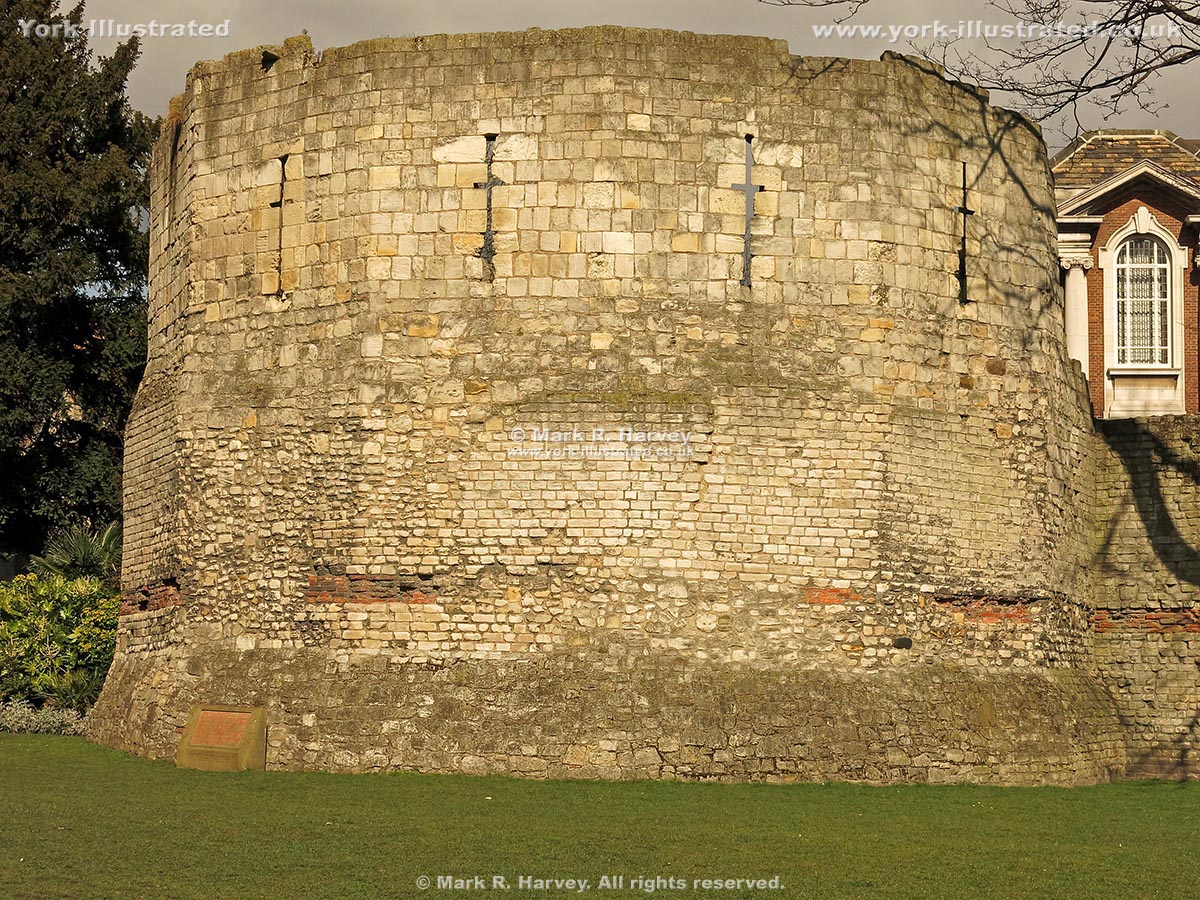
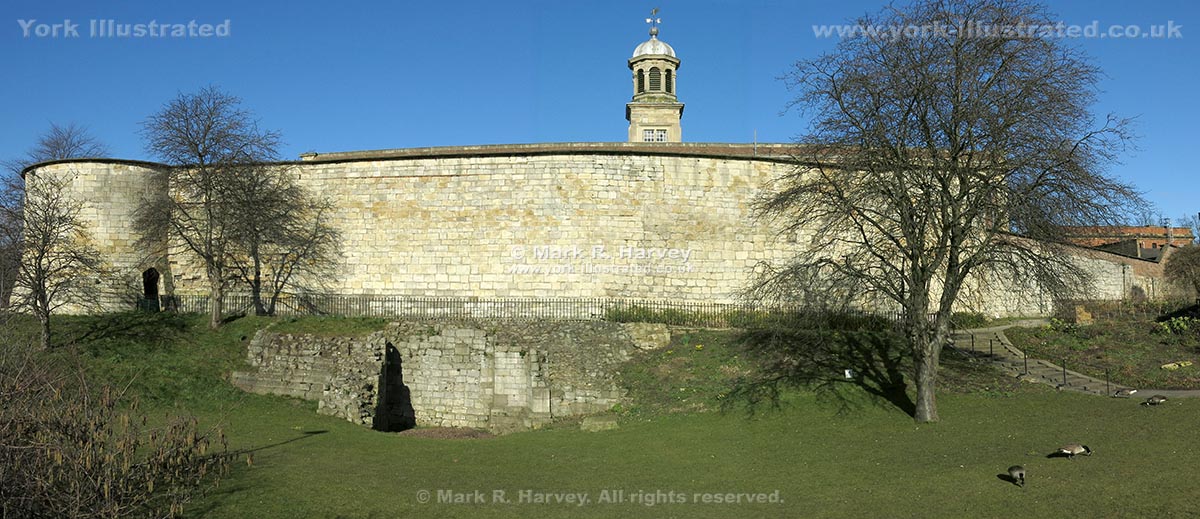
Multangular Tower

The Grade I listed Multangular Tower incorporates the base of the second century* western angle tower of the Roman legionary fortress of Eboracum.

Read more

Photo as per caption. Opens larger version.

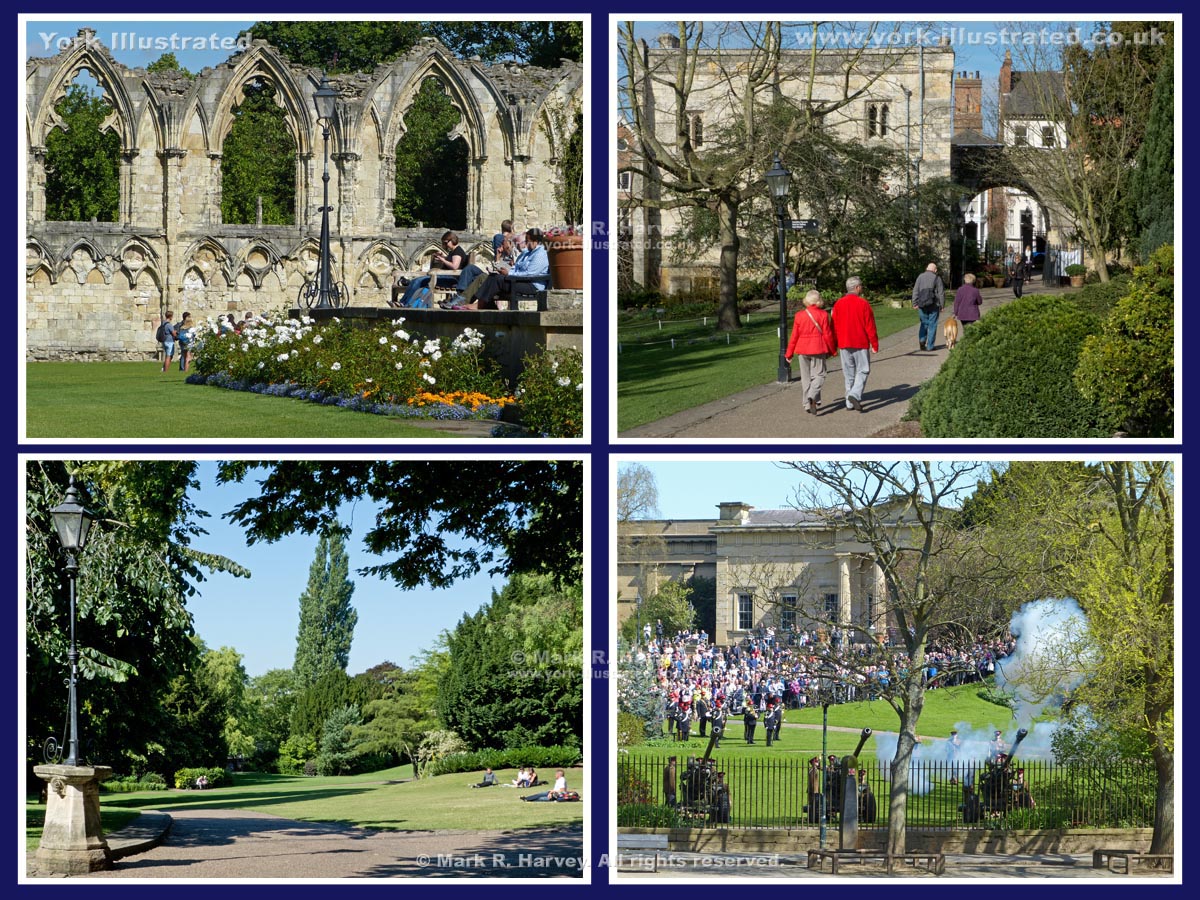
Museum Gardens

Museum Gardens is a beautiful park set within the walls of the ruined St Mary's Abbey, right next to the city centre. It is perfect for a peaceful walk/picnic.

Read more

Photo as per caption. Opens larger version.

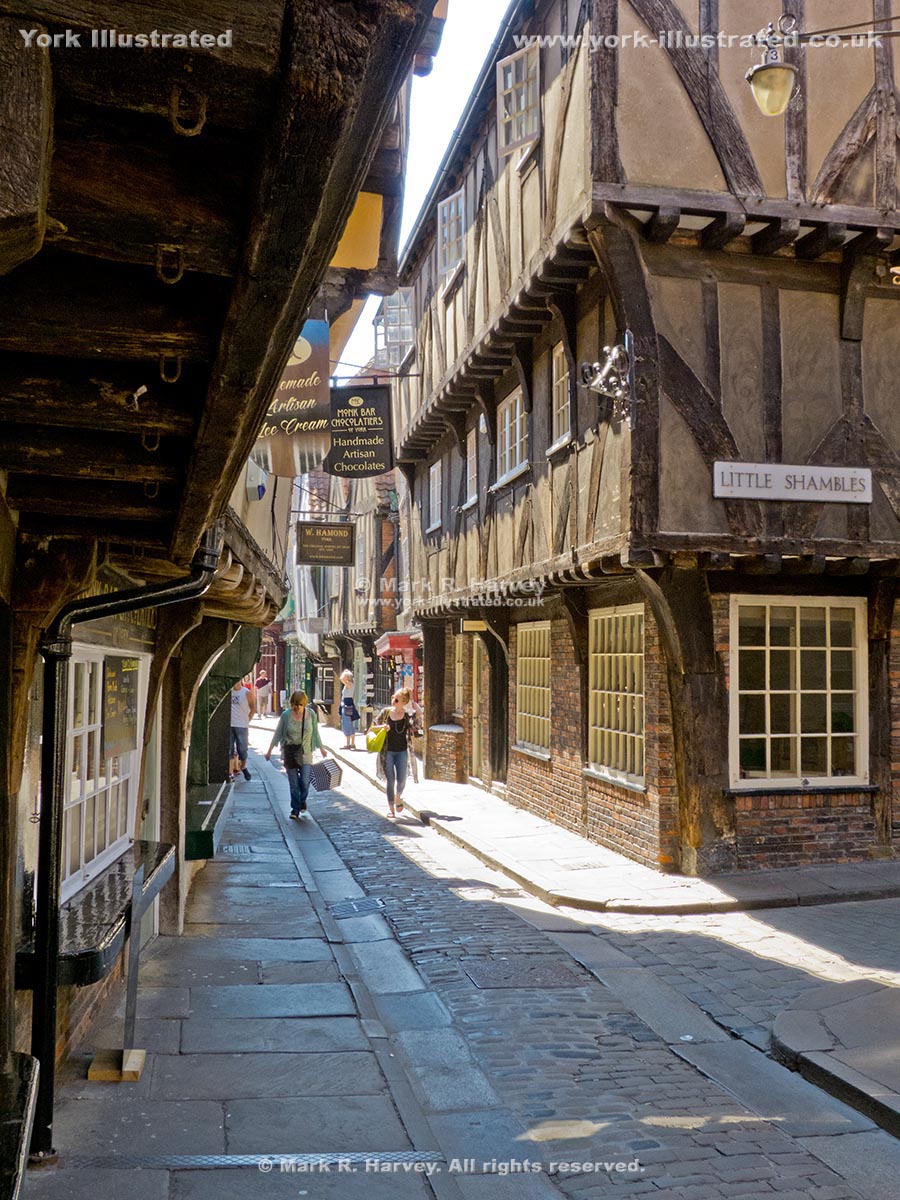
Shambles

The Shambles is York's iconic medieval street. It gains much of its charm and character from the higgledy-piggledy arrangement of its historic buildings.

Read more

Photo as per caption. Opens larger version.

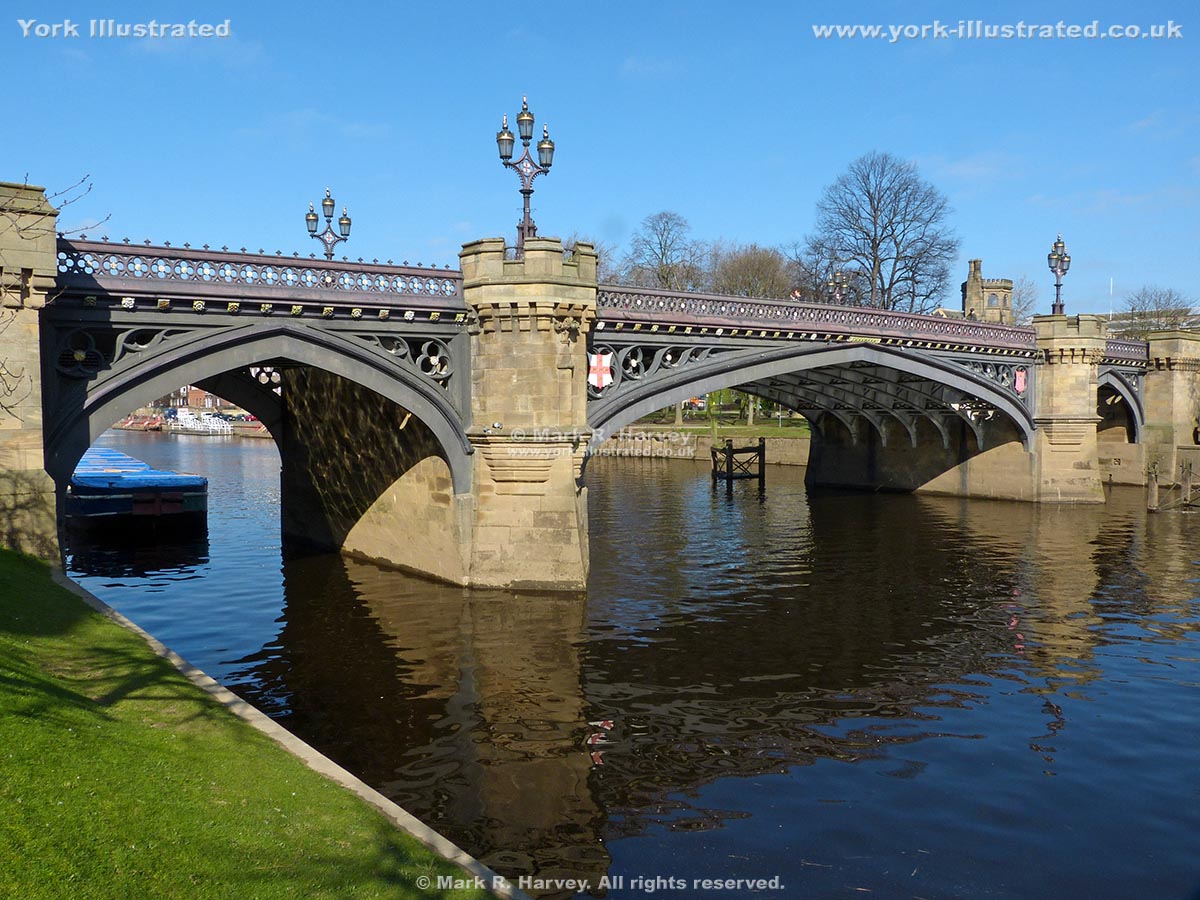
Skeldergate Bridge

Skeldergate Bridge was built in 1878-1880. It replaced a ferry that had carried people and small cargoes across the river since at least 1541. The decommissioned lifting section allowed tall ships to access the wharves and warehouses further upriver.

Read more

Photo as per caption. Opens larger version.

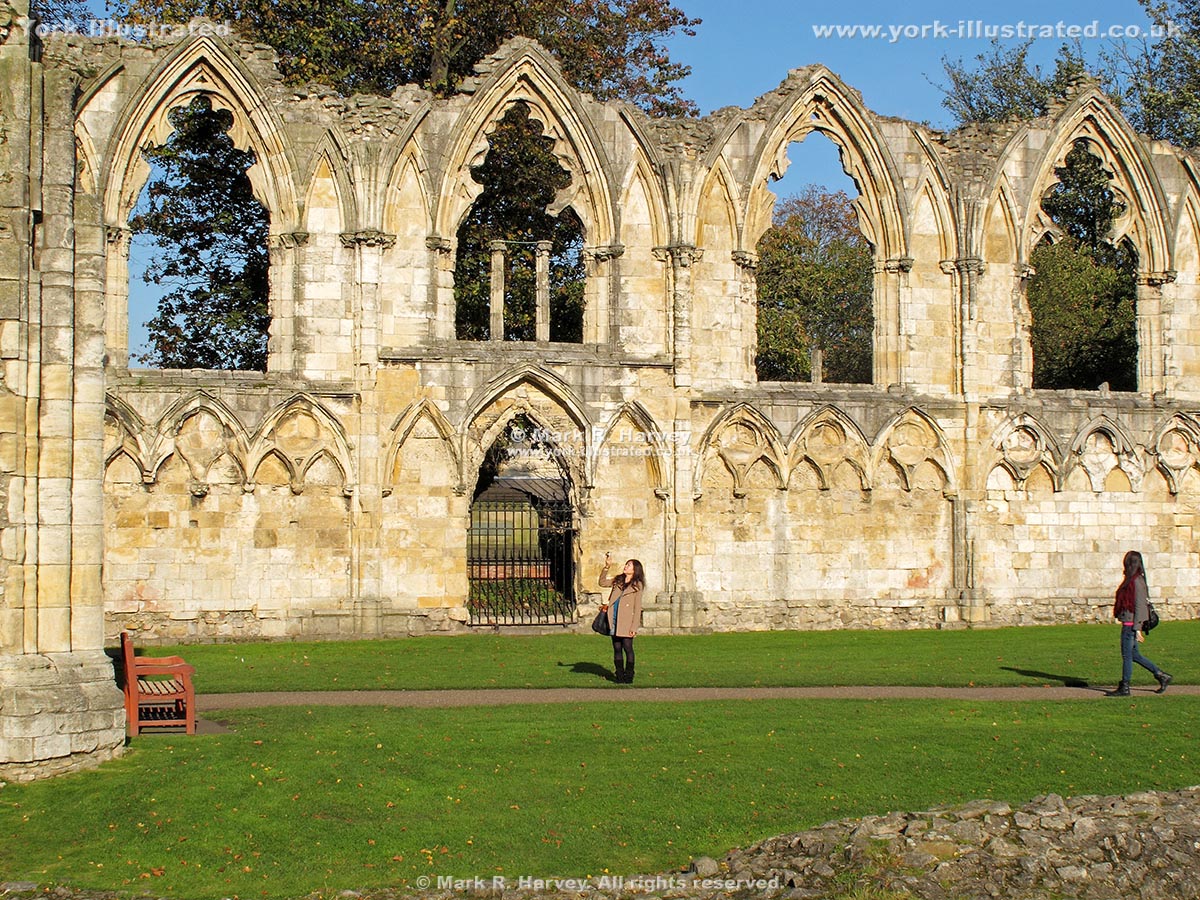
St Mary's Abbey Ruins

The Benedictine abbey of St Mary's was founded by King William II in 1088. The ruins visible today date from a re-build between 1271 and 1294.

Photo as per caption. Opens larger version.

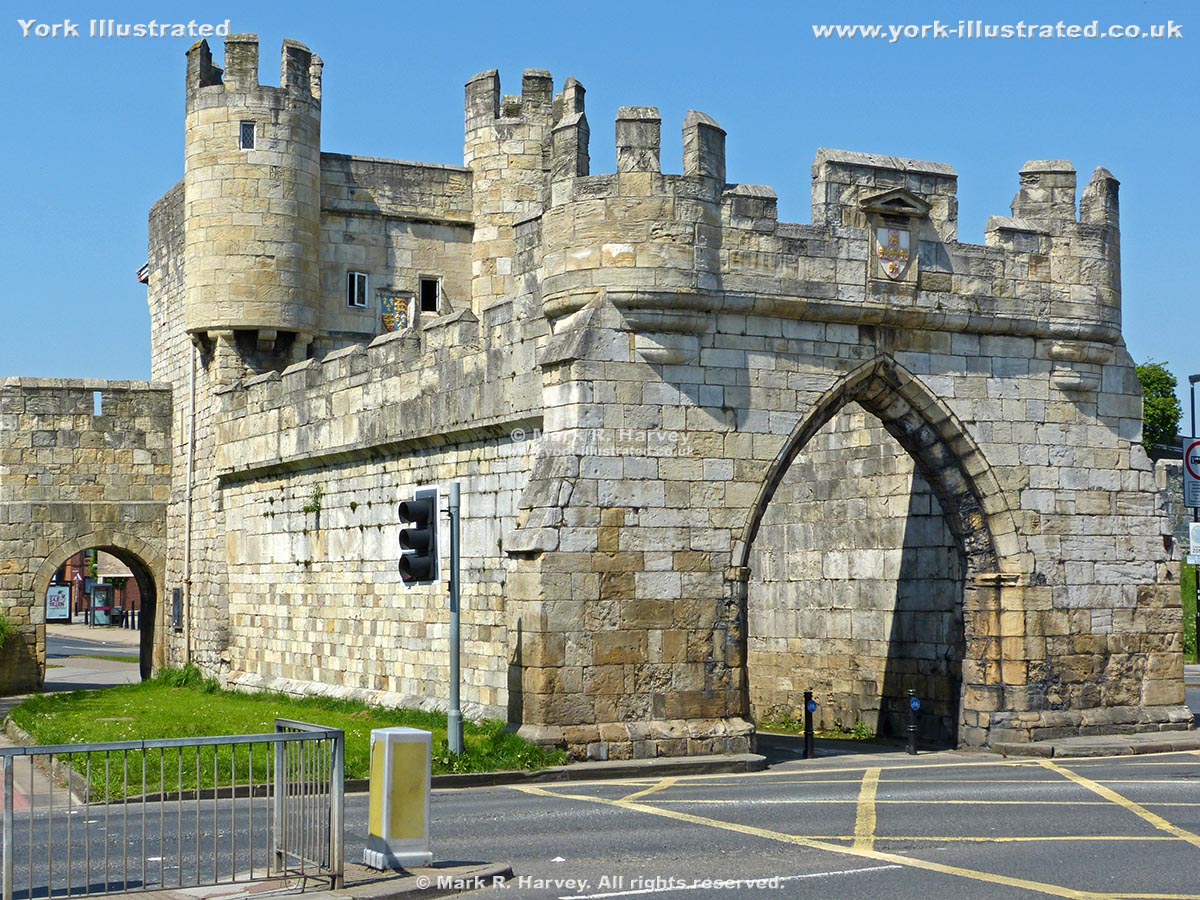
Walmgate Bar

Walmgate Bar is the most complete fortified gateway in the city and the only one to retain its barbican. The latter still bears the scars of the Civil War.

Read more

Photo as per caption. Opens larger version.

York Castle Inner Bailey Walls

During the 13th-century, many of York Castle's timber fortifications were rebuilt in stone. The inner bailey walls are believed to date from this period.

Read more

Photo as per caption. Opens larger version.

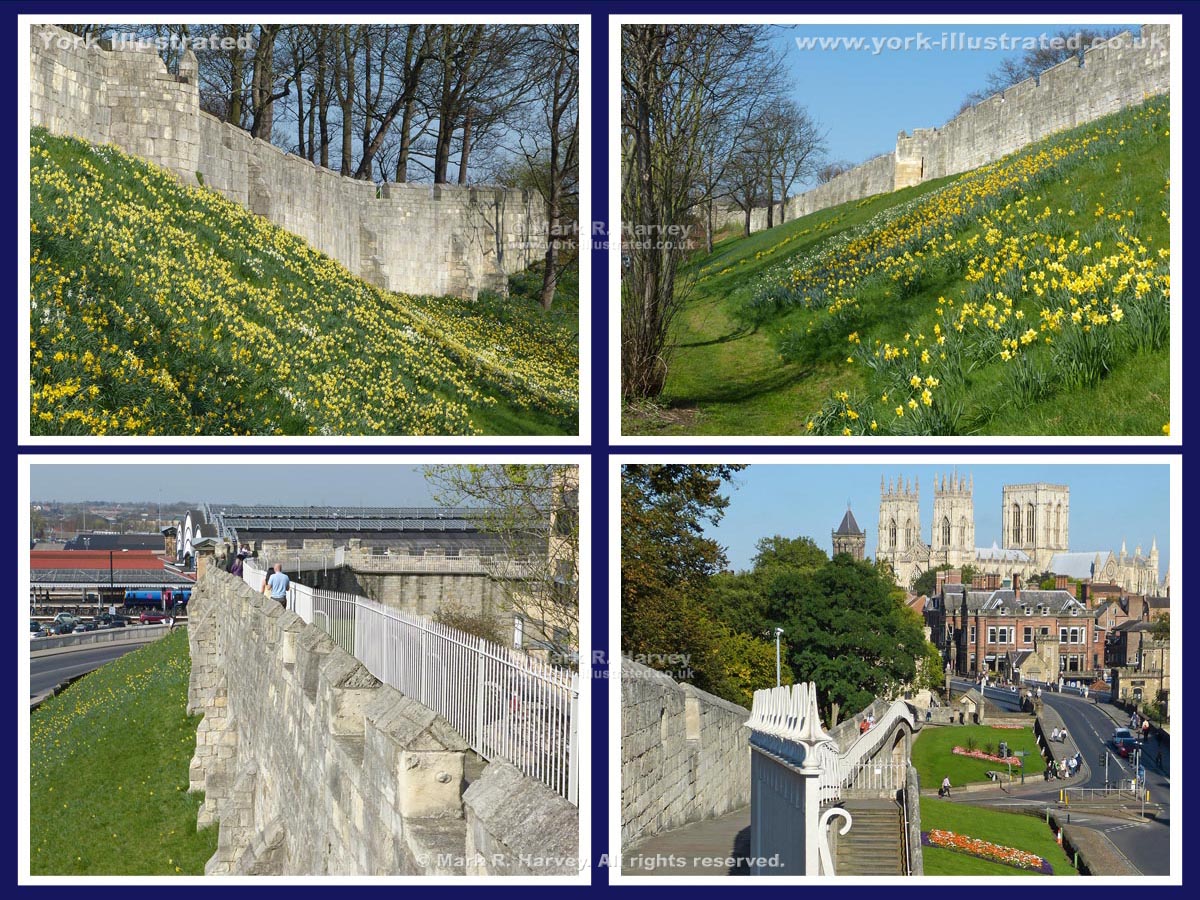
York City Walls (North)

The northern section of York's defensive City Wall runs from Bootham Bar to Lathorp Tower via Robin Hood's Tower, Monk Bar, Harlot Hill Tower and New Tower.

Read more

Photo as per caption. Opens larger version.

York City Walls (Southwest)

The southwestern section of York's defensive City Wall runs from York Castle to Barker Tower via Bitchdaughter Tower, Micklegate Bar and Toft's Tower.

Read more

Photo as per caption. Opens larger version.

York Minster

York Minster was built between 1154 and 1472. It is the largest Gothic church in northern Europe and the largest medieval building in England.

Read more