The Gazetteer provides illustrated introductions to hundreds of 'free-to-view' and 'not-for-profit' locations that you might like to seek-out during a real-world sightseeing visit to the historic city of York.

By default, every location in the database is listed. If desired, set the star rating, place type OR zone filter below, then click / tap on the 'Apply Filters' button to restrict the list to the matching locations.

Show / hide tips below.
  • To speed-up page-loading, a maximum of 24 locations are displayed on each page.
  • If more than 24 locations match the filter settings, click / tap on the page navigation buttons (located below the list) to display the additional page(s).
  • The locations are listed in alphabetical order of the place name (reading from top-left to bottom-right).
  • To avoid frustrating 'nil returns', use one filter only (leaving the others set to 'Any').
  • To view a larger version of an image, click on its thumbnail. If you are using a device with a screen width of 400px or more and with JavaScript enabled, you should be able to view the images in a slideshow overlay.
    (NB: The slideshow will not run on devices with a screen width of less than 400px, or if you attempt to open it in a new window.)
  • To access the geolocation details and view all available information for a location, click / tap on its place name or 'Read more' button.
  • If a 'Read more' button is provided, a brief article and / or a high quality external link is also available.
Walmgate Bar

Photo as per caption. Opens larger version.

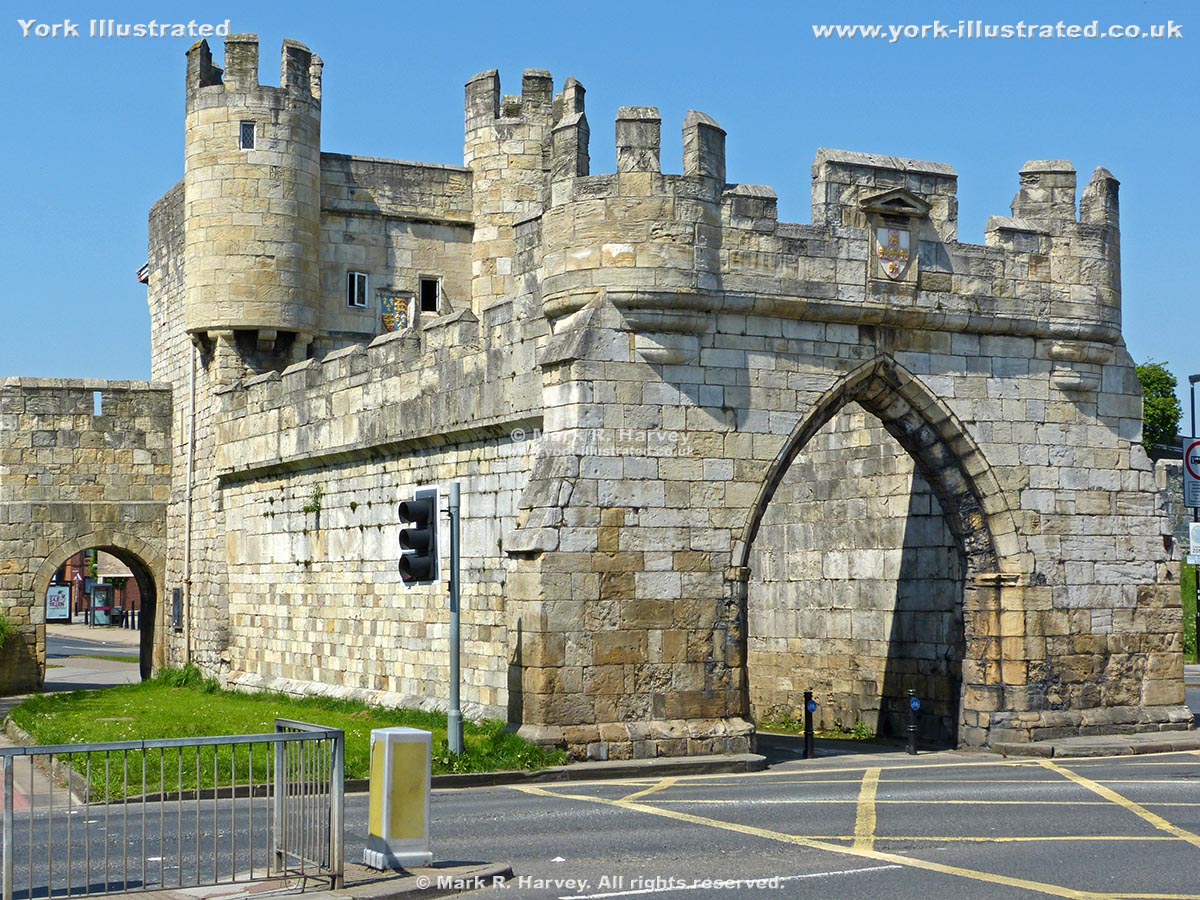
Walmgate Bar is the most complete fortified gateway in the city and the only one to retain its barbican. The latter still bears the scars of the Civil War.

Read more

Water Tower

Photo as per caption. Opens larger version.

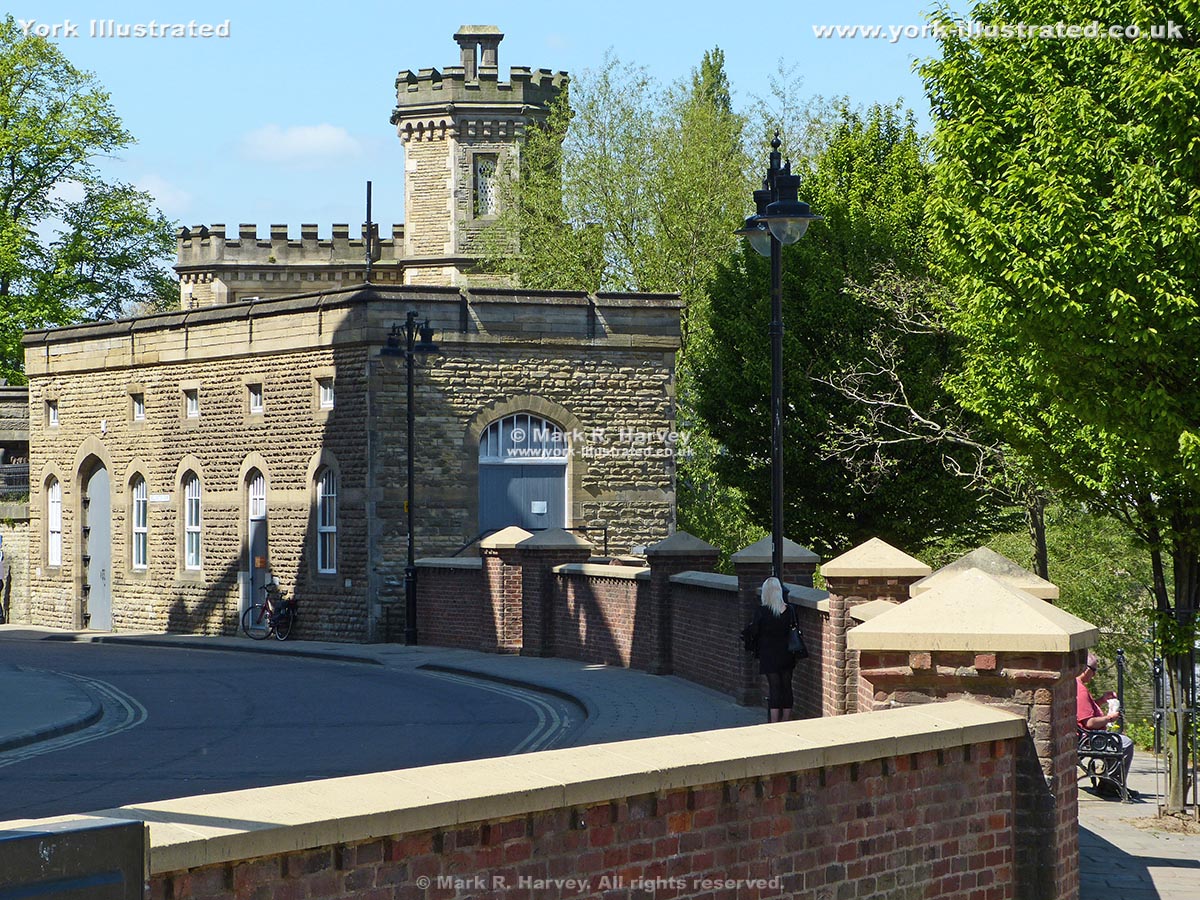
The Water Tower (aka Marygate Landing Tower) was built beside the River Ouse circa 1320 - 1324 during works to strengthen the defences of St Mary's Abbey.

Read more

Wellington Row

Photo as per caption. Opens larger version.

Wellington Row originated in the early 19th century as a row of back-to-back houses. The name commemorates the Duke's victory at the Battle of Waterloo.

Read more

West Esplanade

Photo as per caption. Opens larger version.

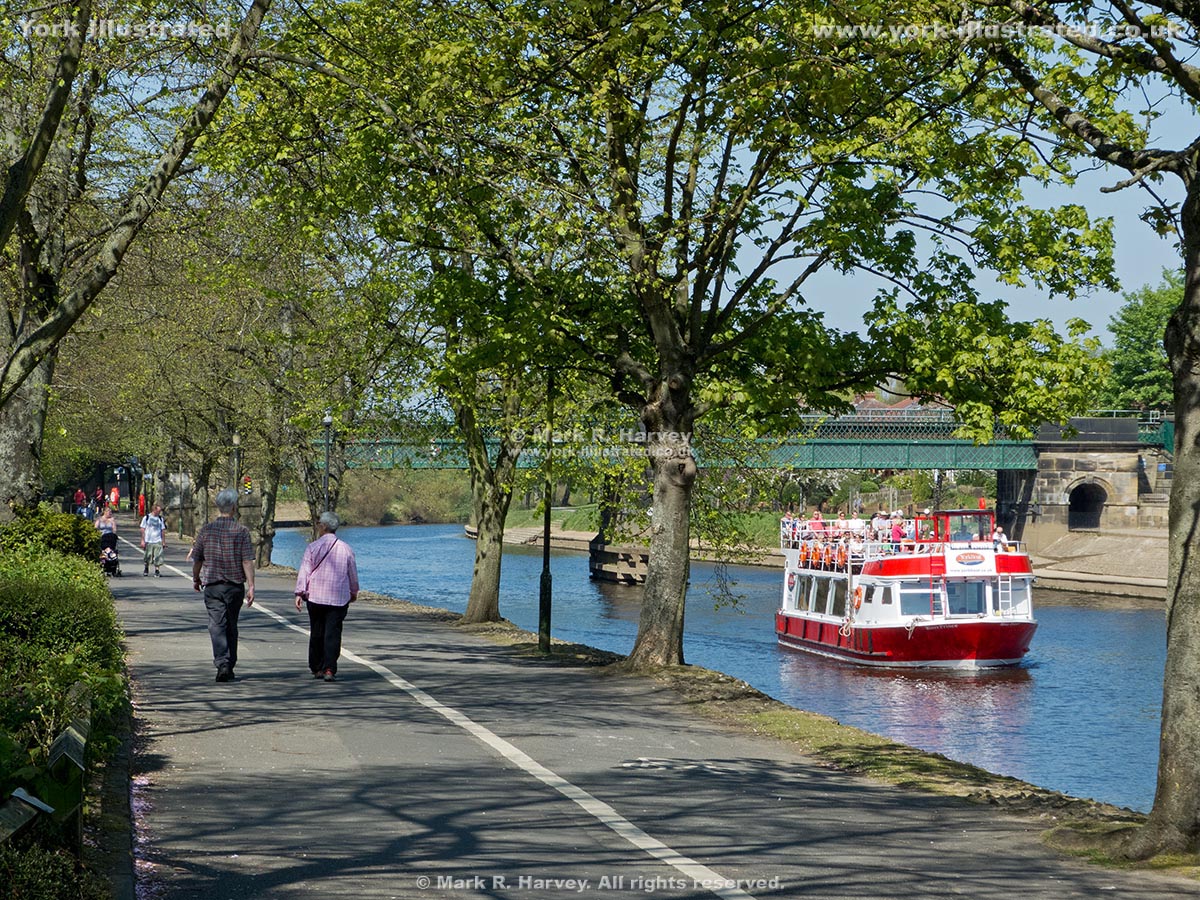
The West Esplanade is a riverside path and cycleway linking Scarborough Rail Bridge and Lendal Bridge via the southwest bank of the River Ouse in York.

York Army Museum

Photo as per caption. Opens larger version.

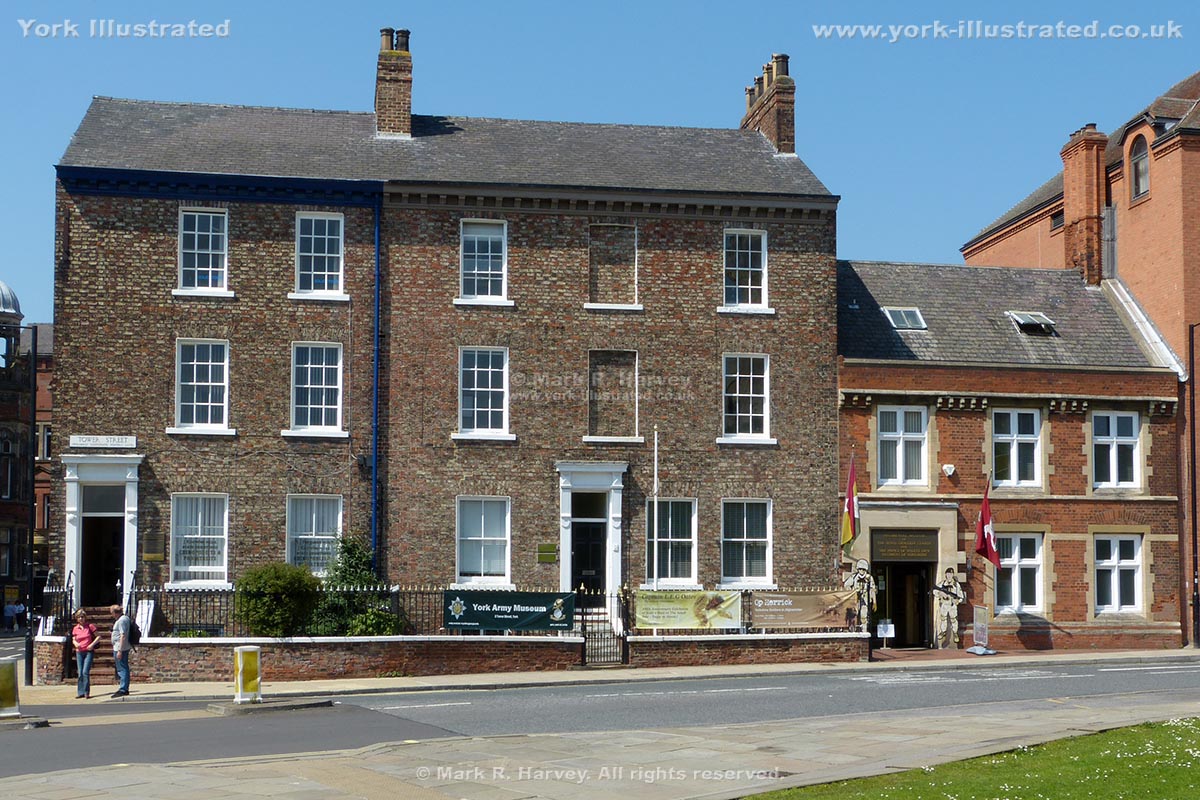
The York Army Museum on Tower Street houses the collections of The Royal Dragoon Guards, The Yorkshire Regiment and Prince of Wales’s Own Regiment of Yorkshire.

Read more

York Art Gallery

Photo as per caption. Opens larger version.

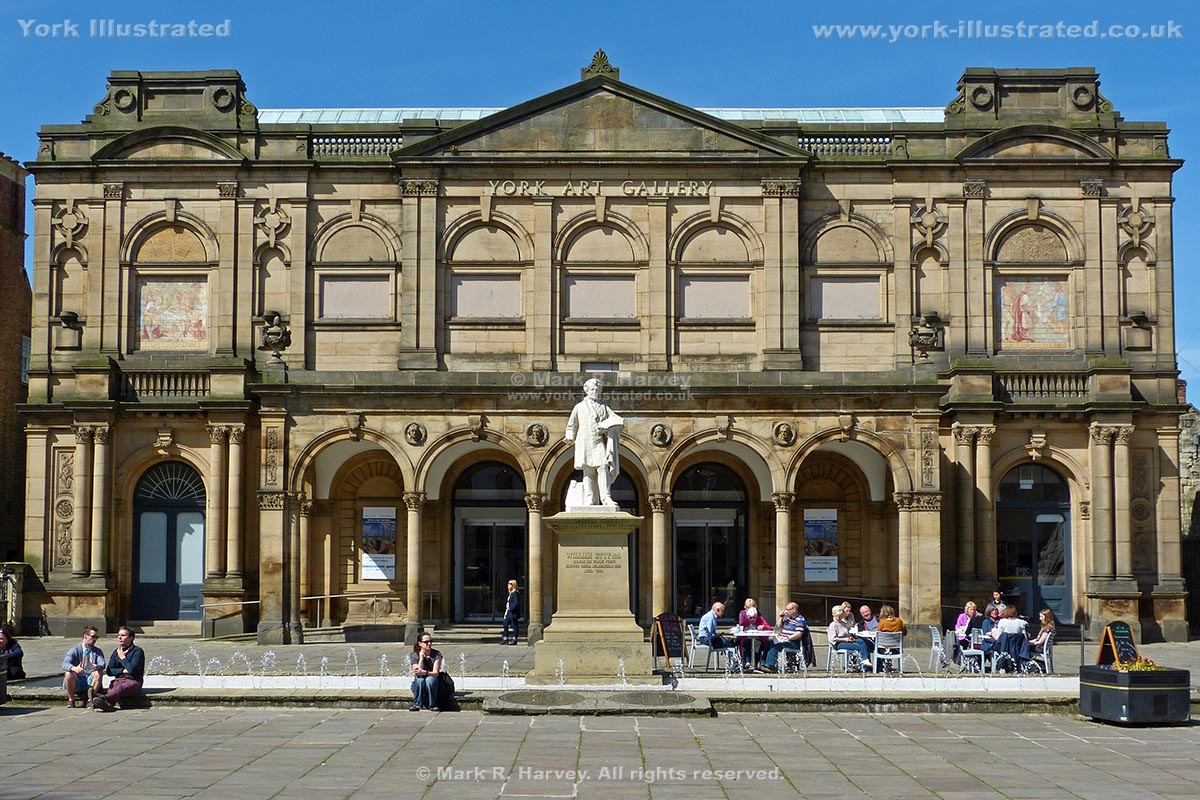
York's award-winning 'family-friendly' art gallery was built in 1879. It was extensively refurbished during 2013-15 at a cost of £8 million.

Read more

York Castle Inner Bailey South Angle Tower

Photo as per caption. Opens larger version.

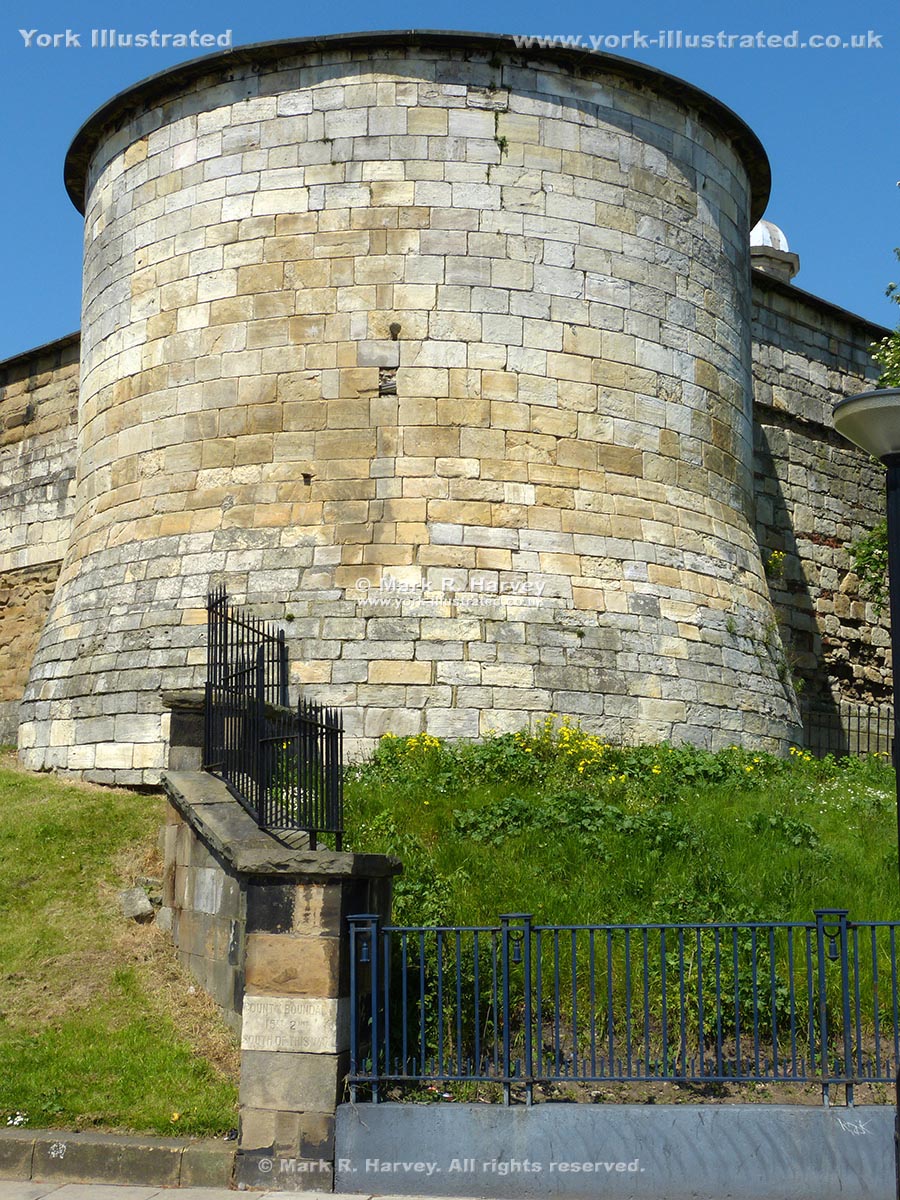
The South Angle Tower forms part of the perimeter defences for York Castle's inner bailey. It was built in the thirteenth century on the orders of Henry III.

Read more

York Castle Inner Bailey Southeast Tower

Photo as per caption. Opens larger version.

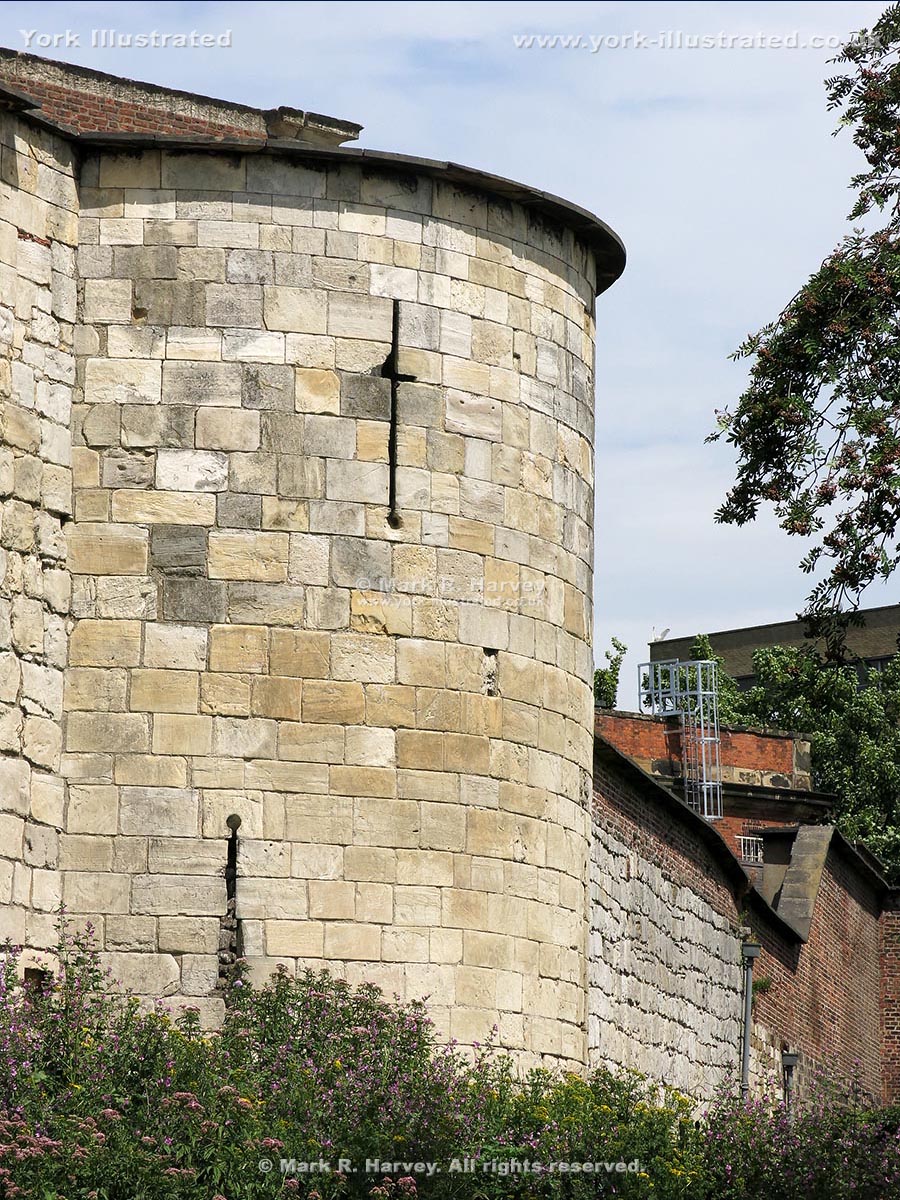
The semicircular Southeast Tower forms part of the 13th century perimeter defences for York Castle's inner bailey. The standing remains are all grade I listed.

Read more

York Castle Inner Bailey Walls

Photo as per caption. Opens larger version.

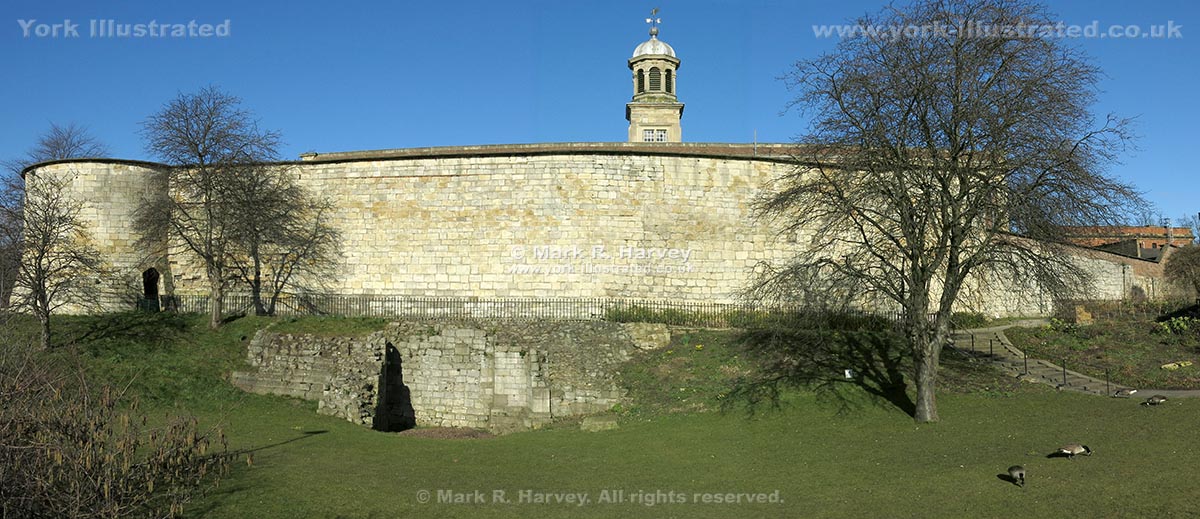
During the 13th-century, many of York Castle's timber fortifications were rebuilt in stone. The inner bailey walls are believed to date from this period.

Read more

York Castle Museum

Photo as per caption. Opens larger version.

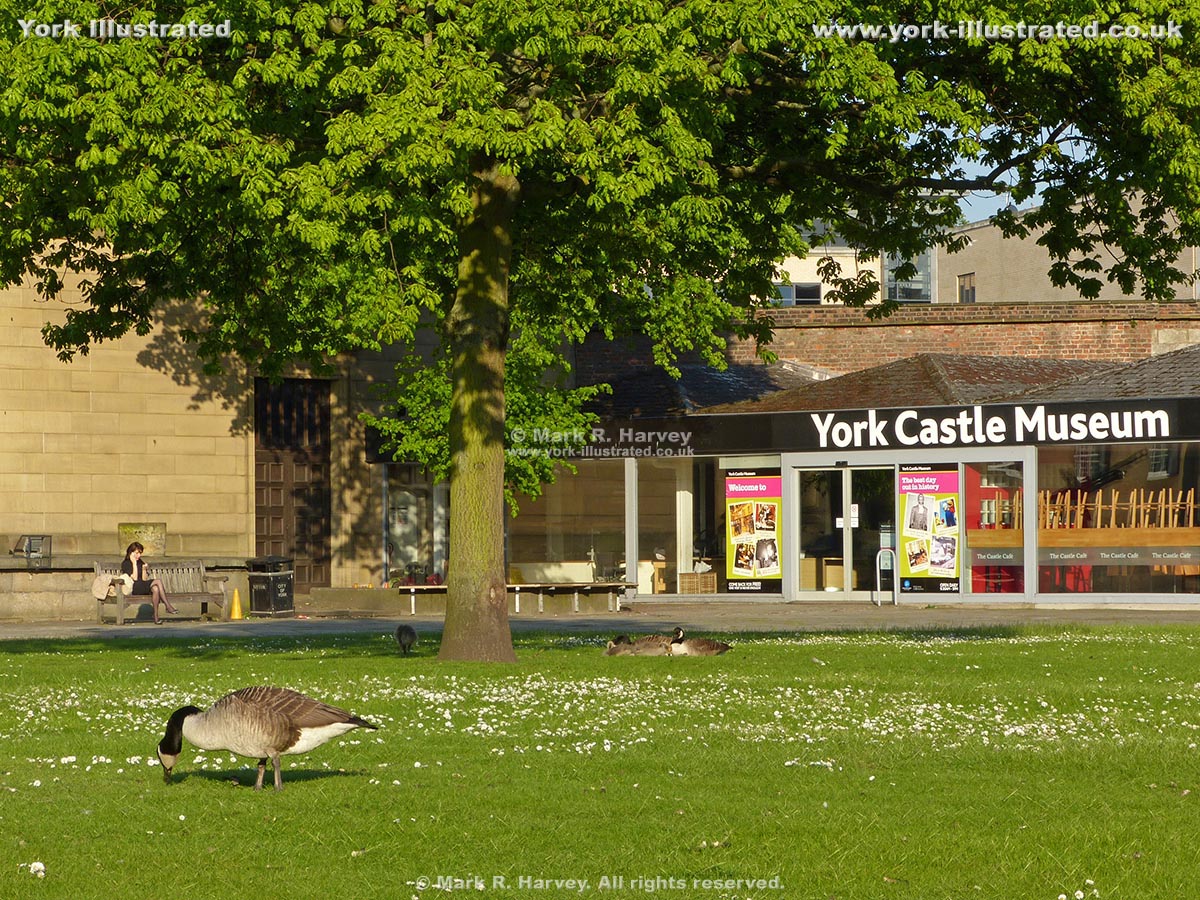
York Castle Museum stands within the grounds of York Castle (hence its name). The museum focusses on social history and the everyday lives of Yorkshire people.

Read more

York Castle South Gate Foundations and Drawbridge Pit

Photo as per caption. Opens larger version.

The only remains of York Castle's 14th century south gate are the foundations and part of the 12 feet deep drawbridge pit. The rest was demolished circa 1701-1708.

Read more

York City Walls (North)

Photo as per caption. Opens larger version.

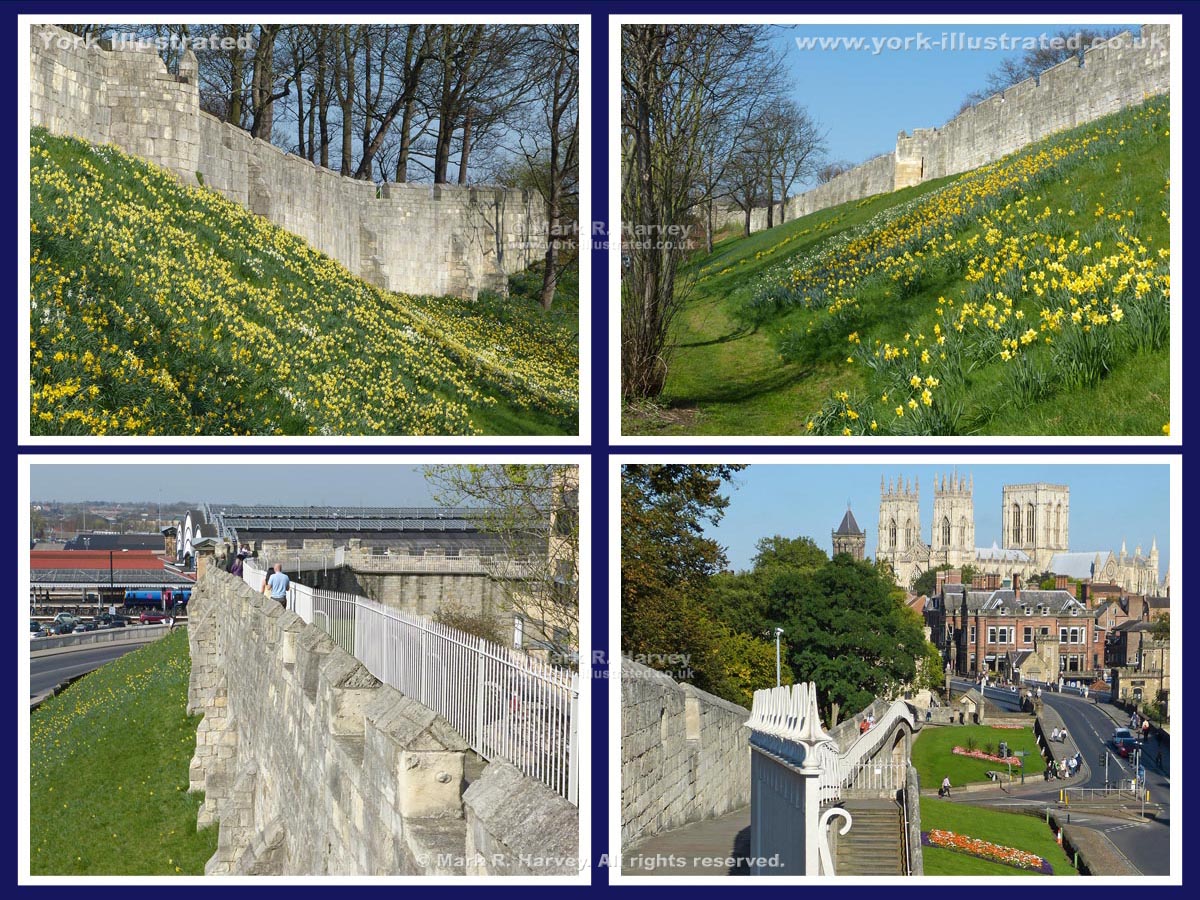
The northern section of York's defensive City Wall runs from Bootham Bar to Lathorp Tower via Robin Hood's Tower, Monk Bar, Harlot Hill Tower and New Tower.

Read more

York City Walls (Southeast)

Photo as per caption. Opens larger version.

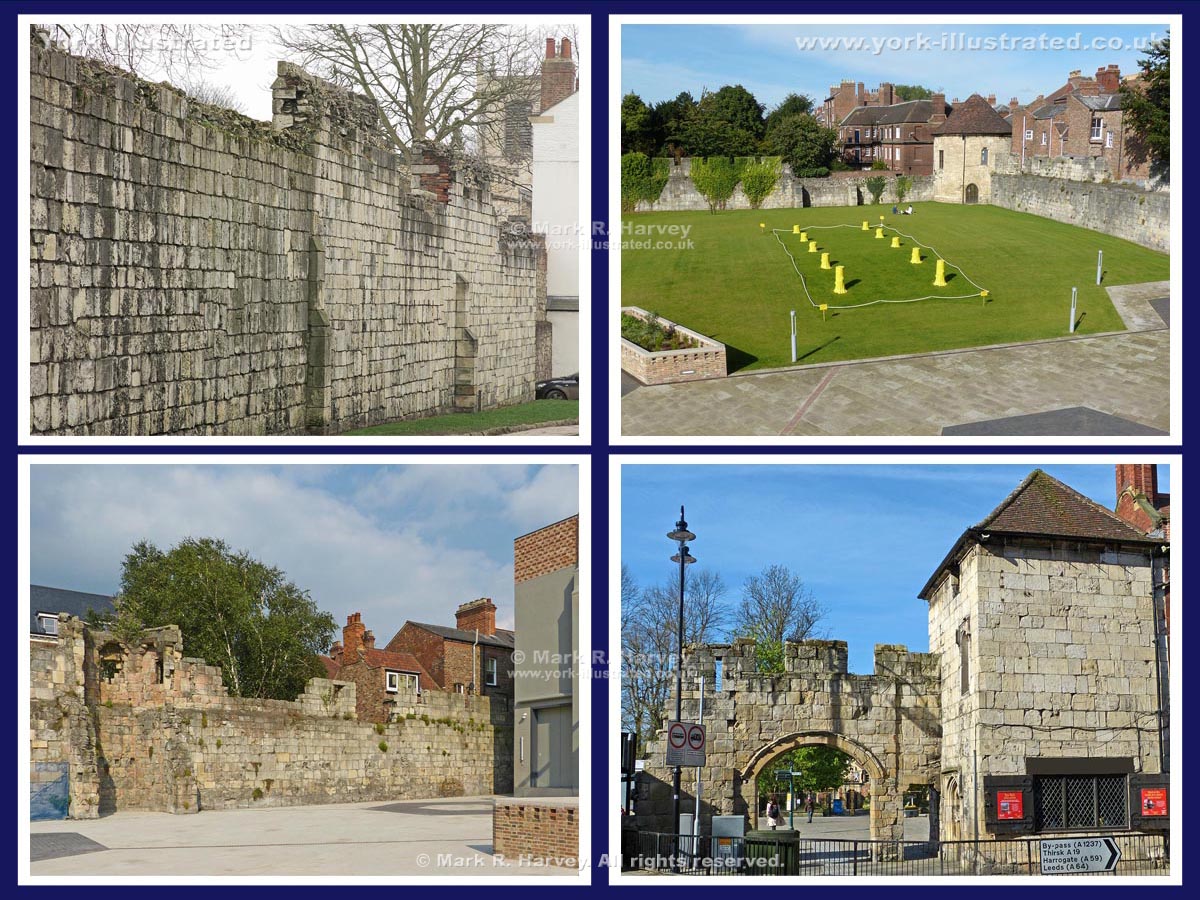
The southeastern section of York's defensive City Wall runs from the Red Tower to York Castle via Walmgate Bar, Fishergate Bar and Fishergate Postern Tower.

Read more

York City Walls (Southwest)

Photo as per caption. Opens larger version.

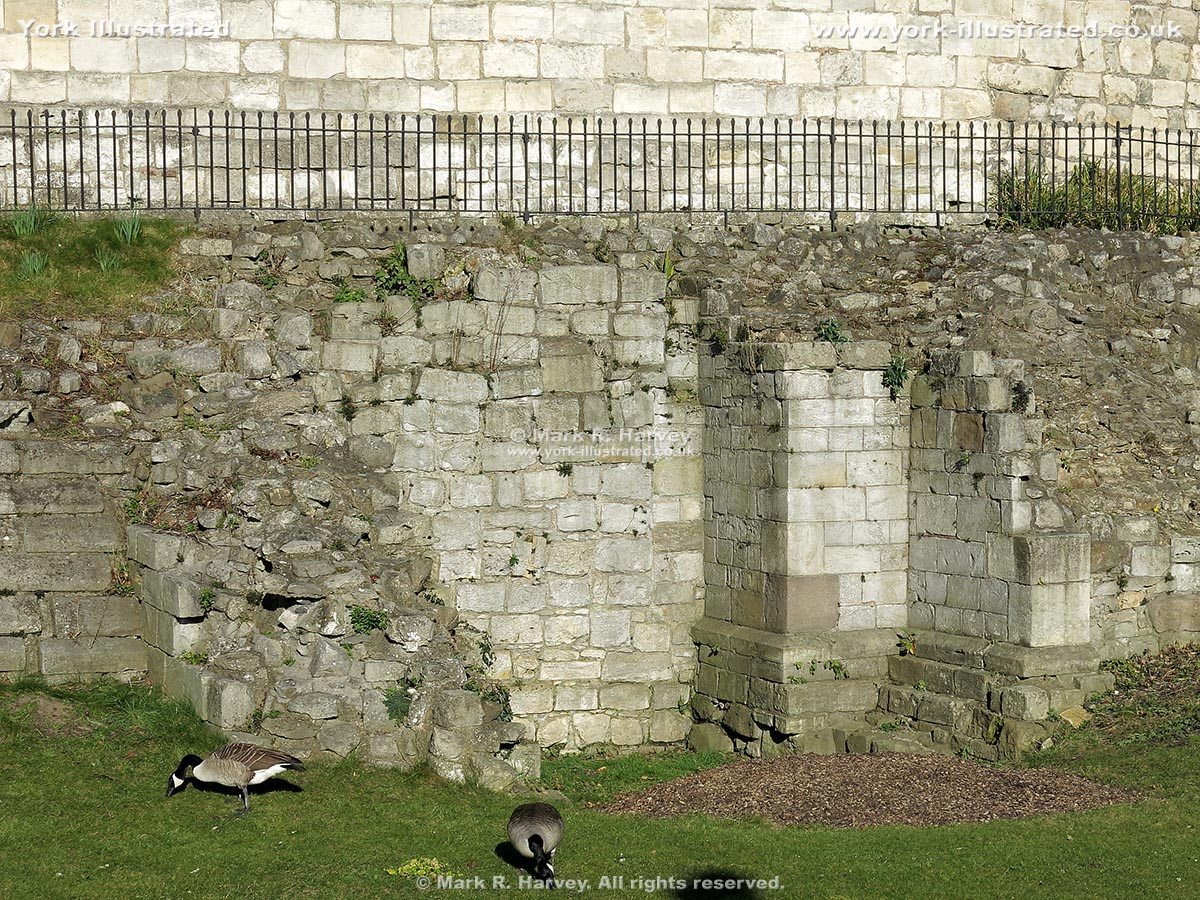
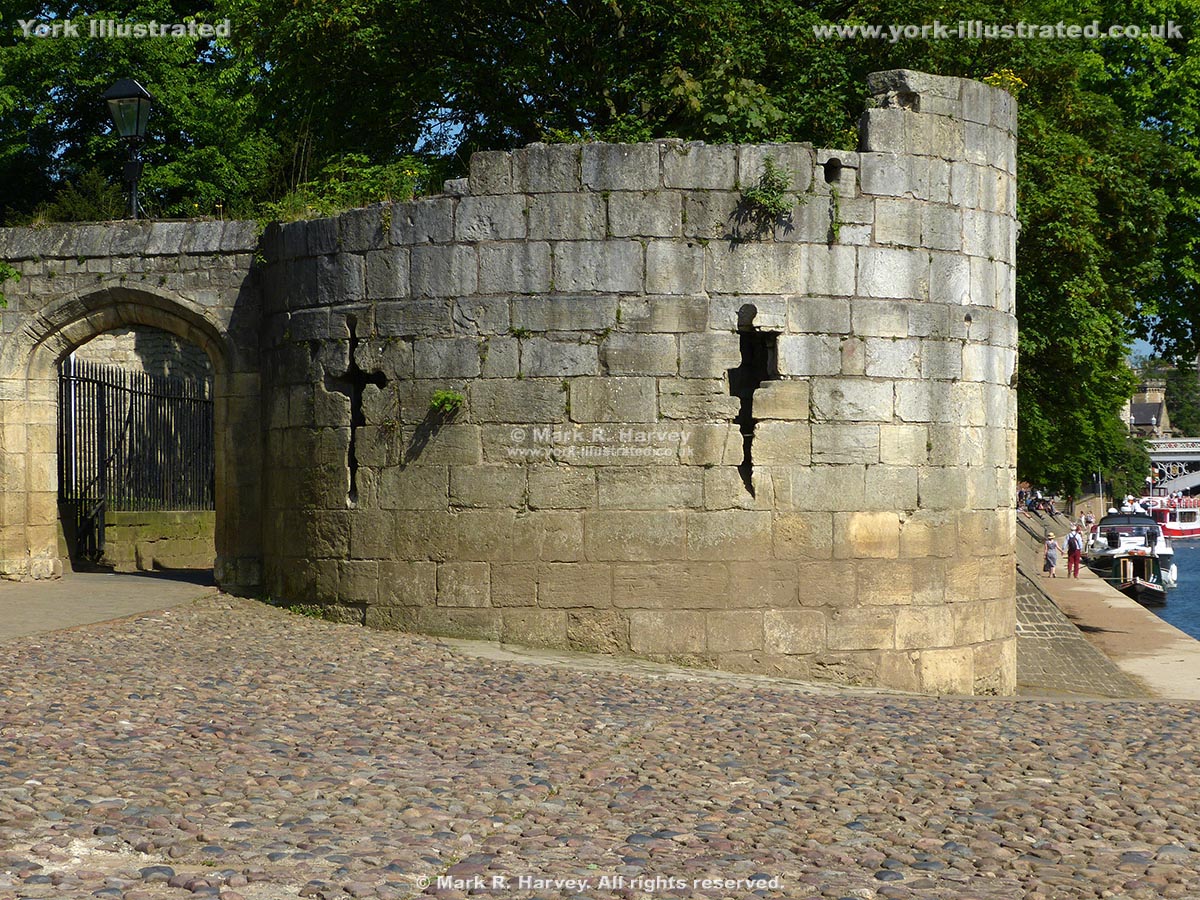
The southwestern section of York's defensive City Wall runs from York Castle to Barker Tower via Bitchdaughter Tower, Micklegate Bar and Toft's Tower.

Read more

York City Walls (St Mary's & St Leonard's)

Photo as per caption. Opens larger version.

The St Mary's and St Leonard's section of York City Walls covers the main city defences in the St Leonard's area, plus the defences for St Mary's Abbey.

Read more

York Explore Library and Learning Centre

Photo as per caption. Opens larger version.

'York Explore' is a community owned reference and lending library, local history archive, learning centre, exhibition space and cafe in the heart of the city.

Read more

York Minster

Photo as per caption. Opens larger version.

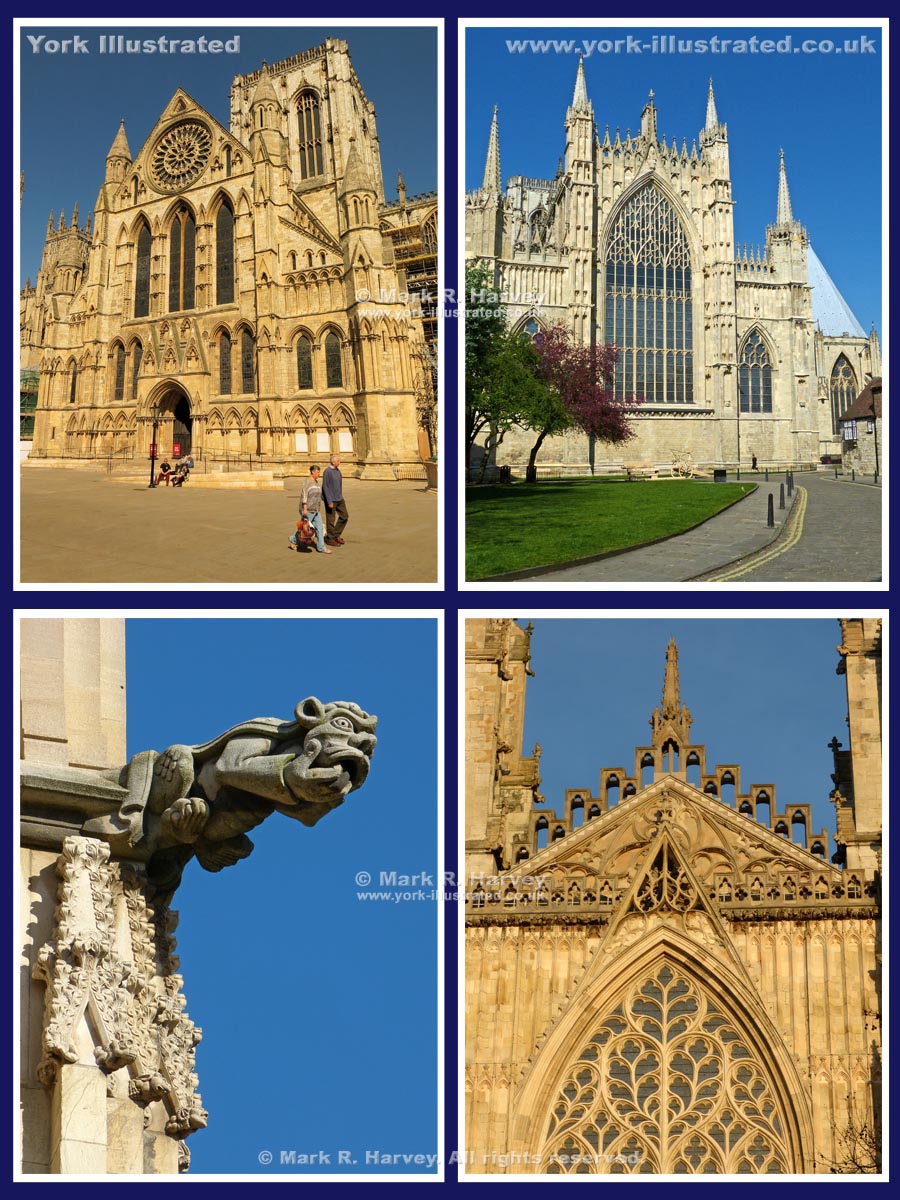
York Minster was built between 1154 and 1472. It is the largest Gothic church in northern Europe and the largest medieval building in England.

Read more

York Observatory

Photo as per caption. Opens larger version.

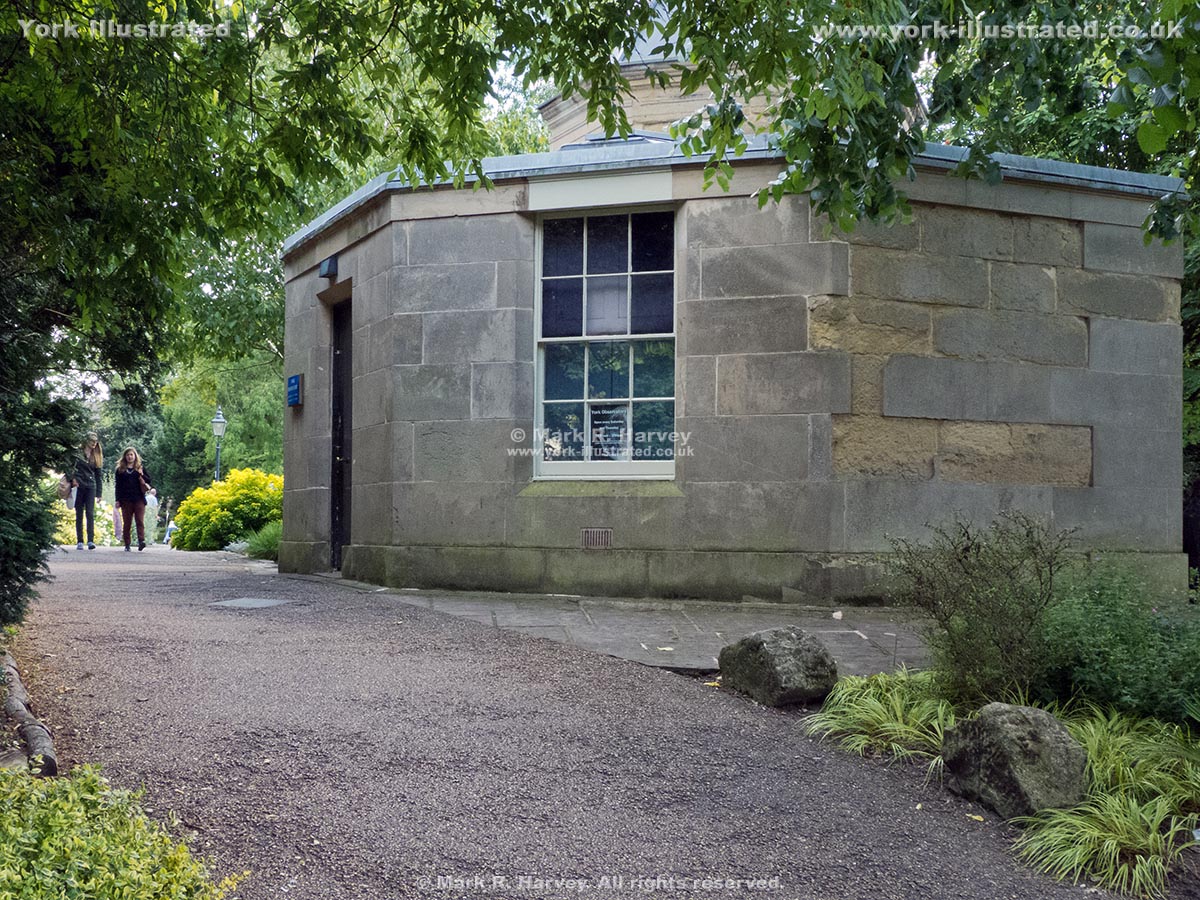
York Observatory opened in 1832. A transit telescope installed in 1844 allowed citizens to set their clocks. As each visit cost sixpence, time really was money.

Read more

York Railway Station

Photo as per caption. Opens larger version.

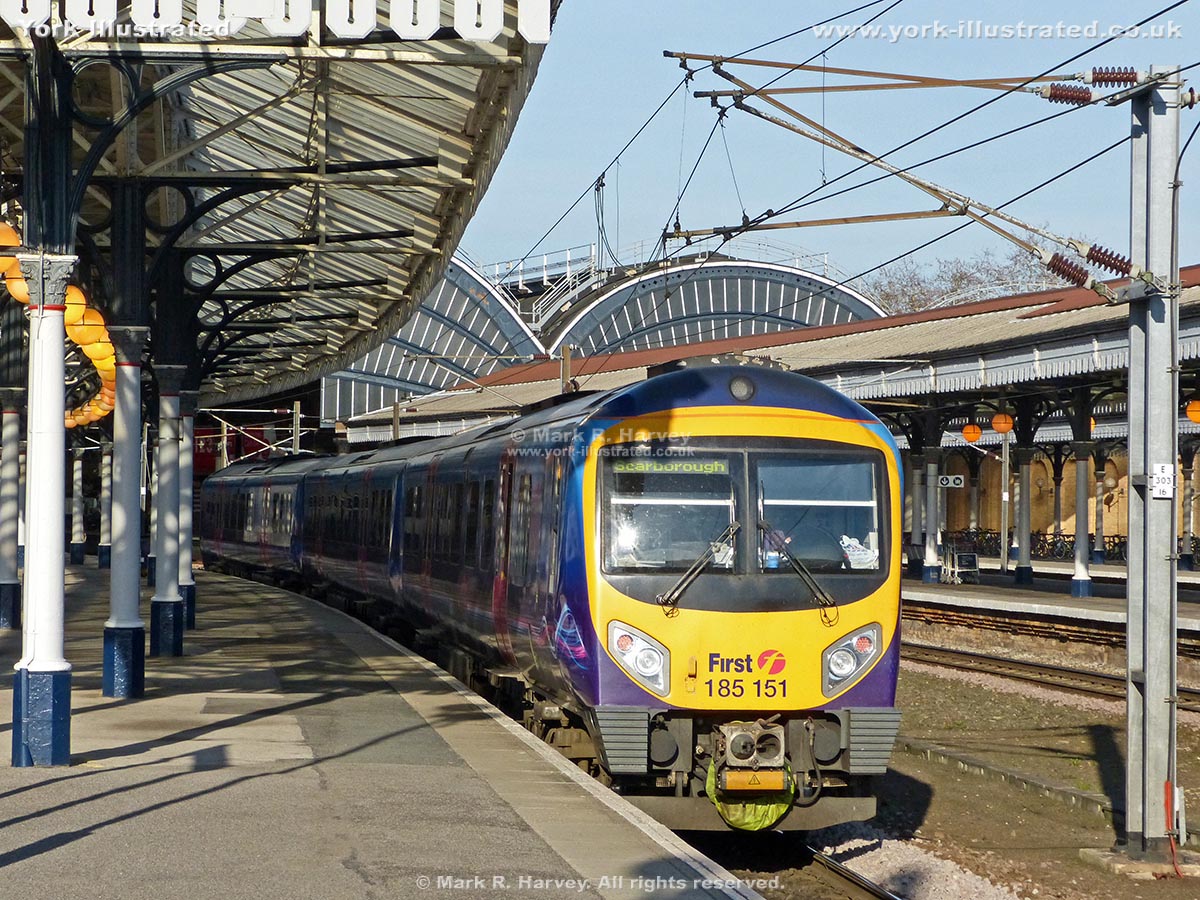
York is connected to the UK's national rail network via an impressive Grade II* listed railway station. The oldest parts of the structure date from the 19th century.

Read more

Yorkshire Museum

Photo as per caption. Opens larger version.

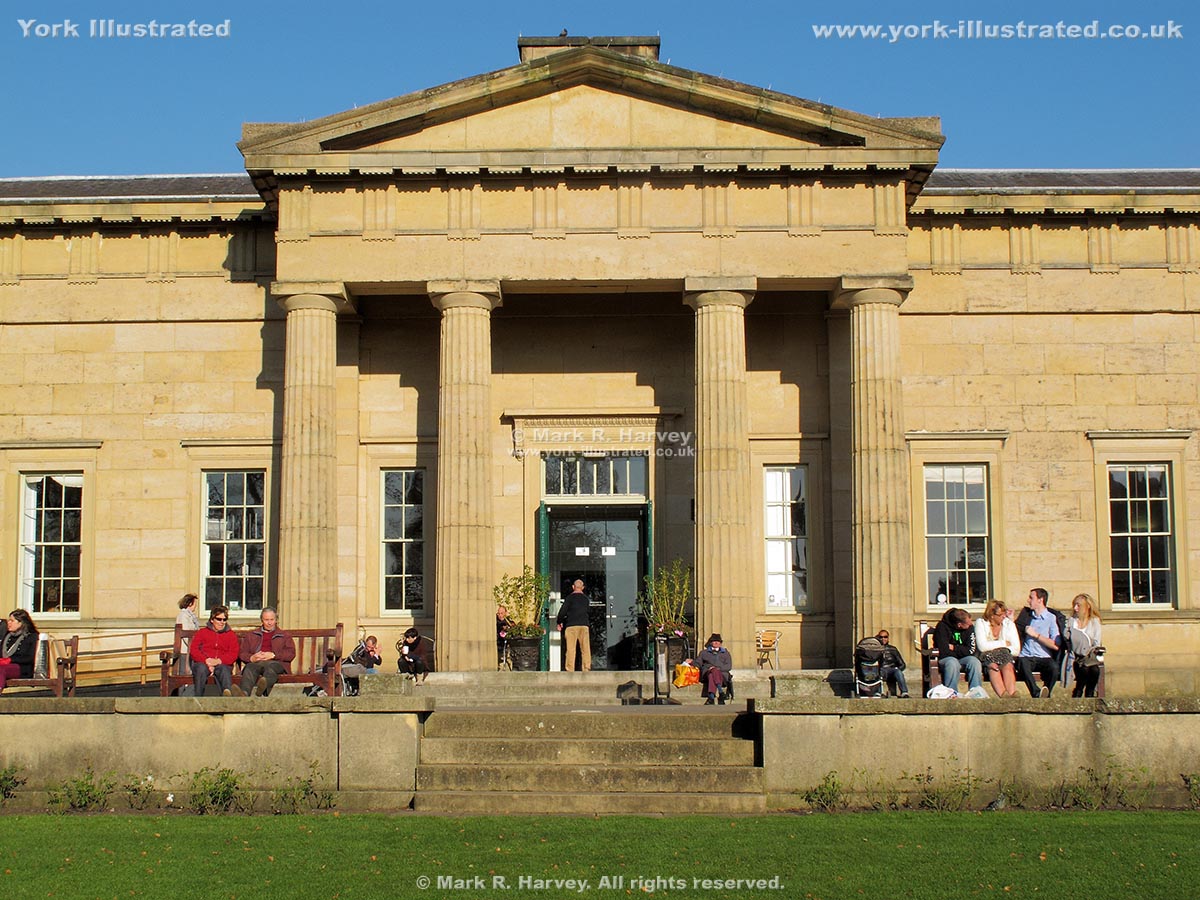
The Grade I listed Yorkshire Museum building was built during 1827-29 to house the Yorkshire Philosophical Society's geological and archaeological collections.

Read more

Pages