An introductory post consisting of a few short paragraphs, plus at least two images.

Show / hide tips
  • Every item classified with this term is included in this extract.
  • The items have been grouped by content type, then listed in alphabetical order.
  • To speed-up page-loading, a maximum of 24 locations are displayed on each page.
  • If there are more than 24 items, click / tap on the page navigation buttons (located below the list) to display the additional page(s).
  • To view a larger version of an image, click / tap on the image.
  • To view all available information and images for an item of content, click / tap on its title or 'Read More' link. (If a 'Read more' link is provided, a brief article and / or a high quality external link is available.)
  • To view the locations on interactive maps and aerial imagery, use the 'Explore' app.
Gazetteer Entry

Photo as per caption. Opens larger version.

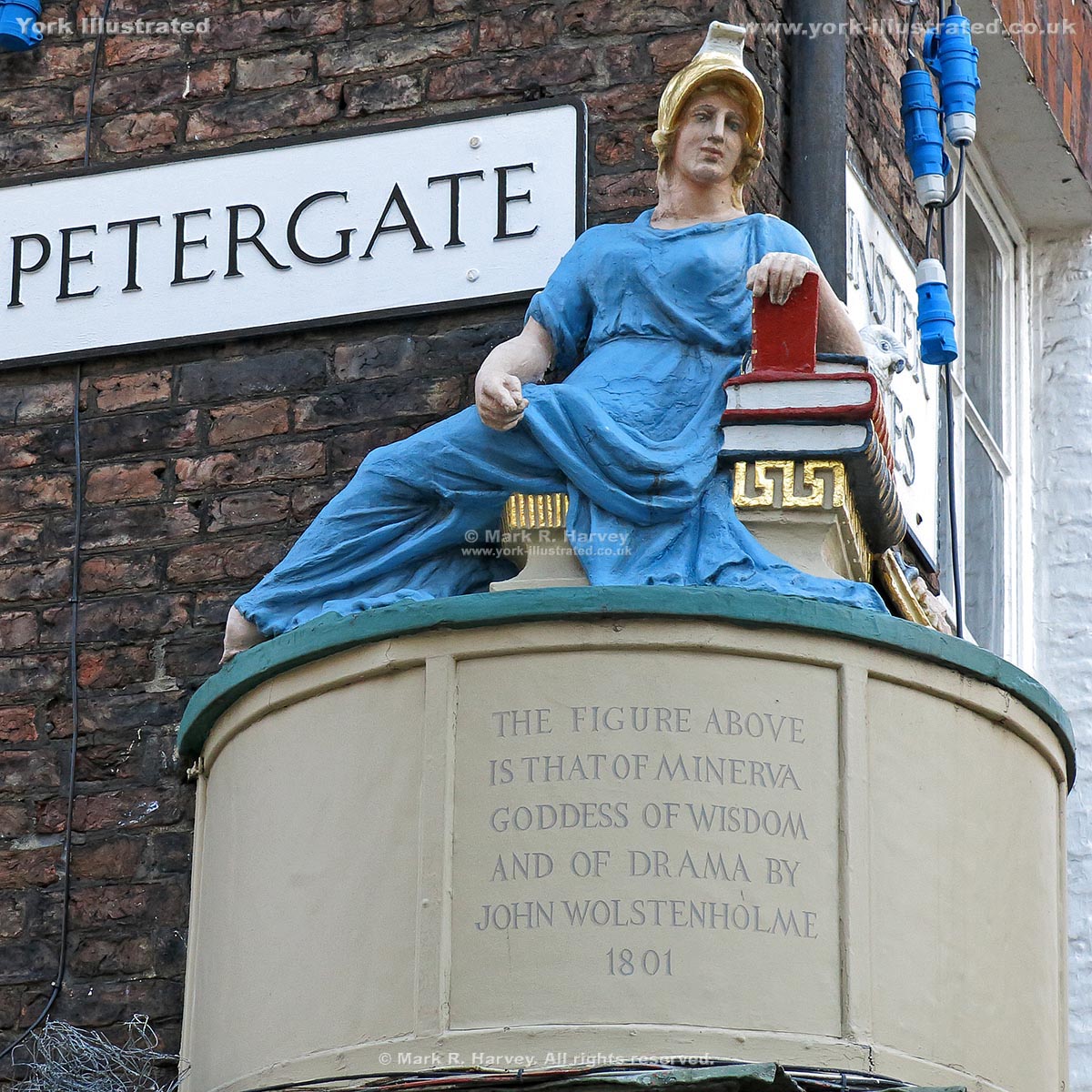
Minerva 3D Bookshop Sign

This carving of Minerva with books, owl and theatrical mask was installed in 1801 to promote a bookshop on the corner of High Petergate and Minster Gates.

Read more

Photo as per caption. Opens larger version.

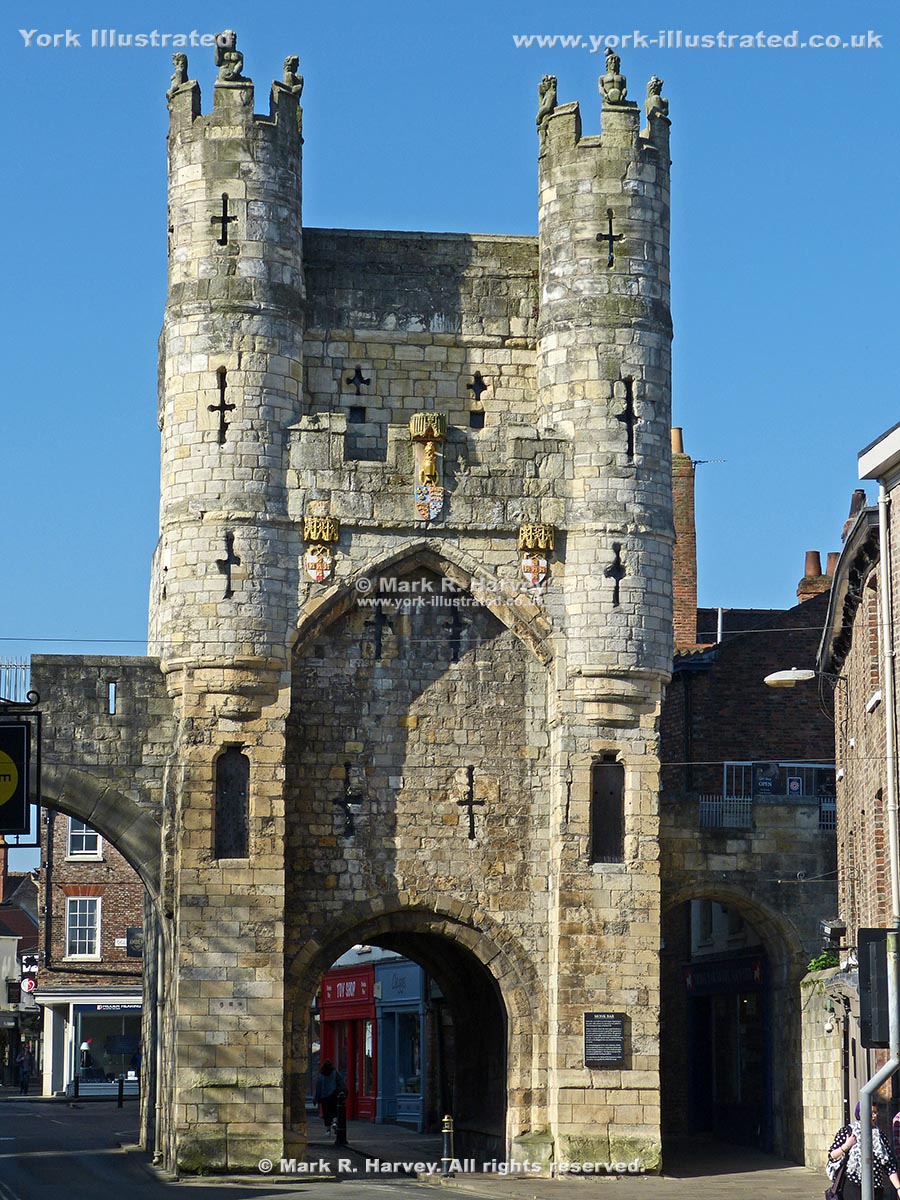
Monk Bar

Monk Bar is the tallest and strongest of the York's four main gateways. It was built in the 14th - 15th centuries to protect the city's northeastern approaches.

Read more

Photo as per caption. Opens larger version.

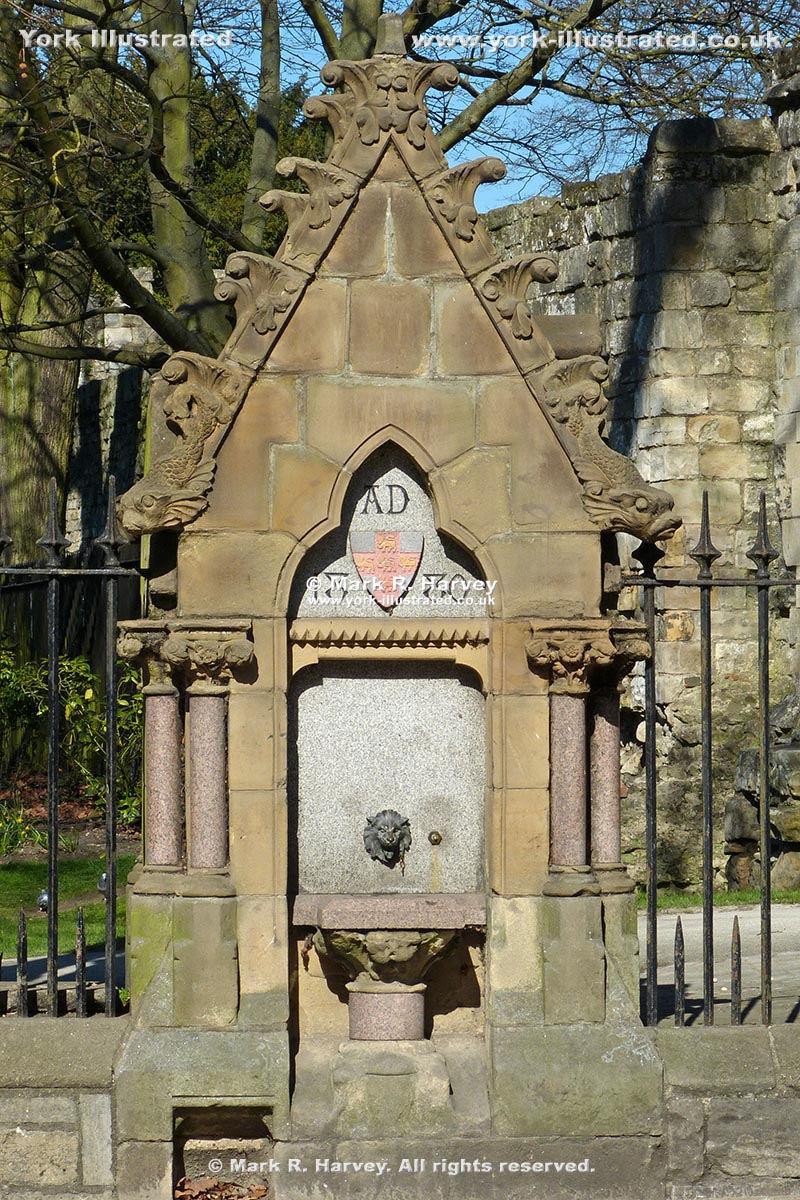
Museum Street Drinking Fountain

The drinking fountain between Museum Gardens and Museum Street was installed in 1880 to provide York citizens with a convenient source of clean water.

Read more

Photo as per caption. Opens larger version.

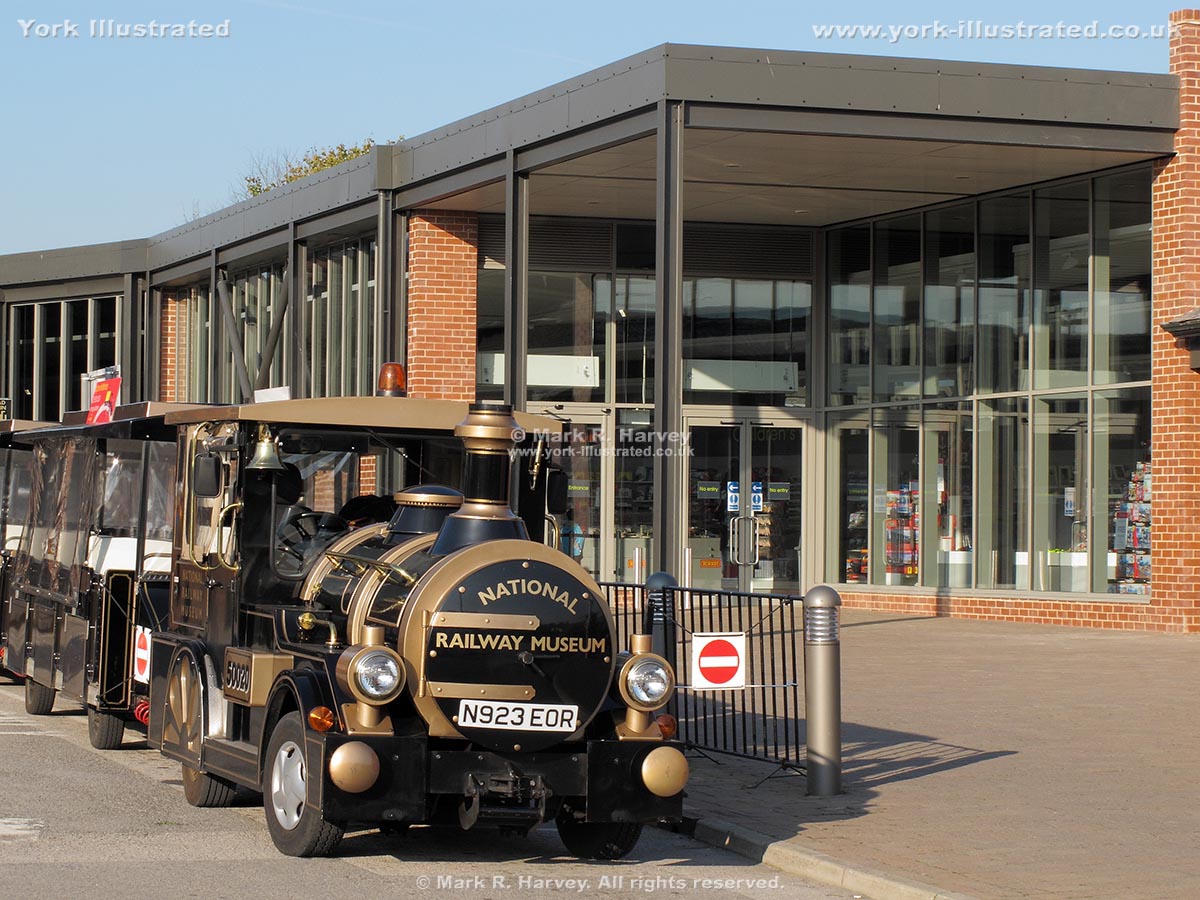
National Railway Museum (NRM)

The museum claims to house the largest collection of railway-related objects in the world. It has an extensive collection of locomotives, passenger and freight rolling stock, signalling equipment and documents (including photographs, maps and plans).

Read more

Photo as per caption. Opens larger version.

New Street

New Street was created between 1744 and 1747. The work involved demolishing two derelict properties: Davy Hall on Davygate and a house on Coney Street.

Read more

Photo as per caption. Opens larger version.

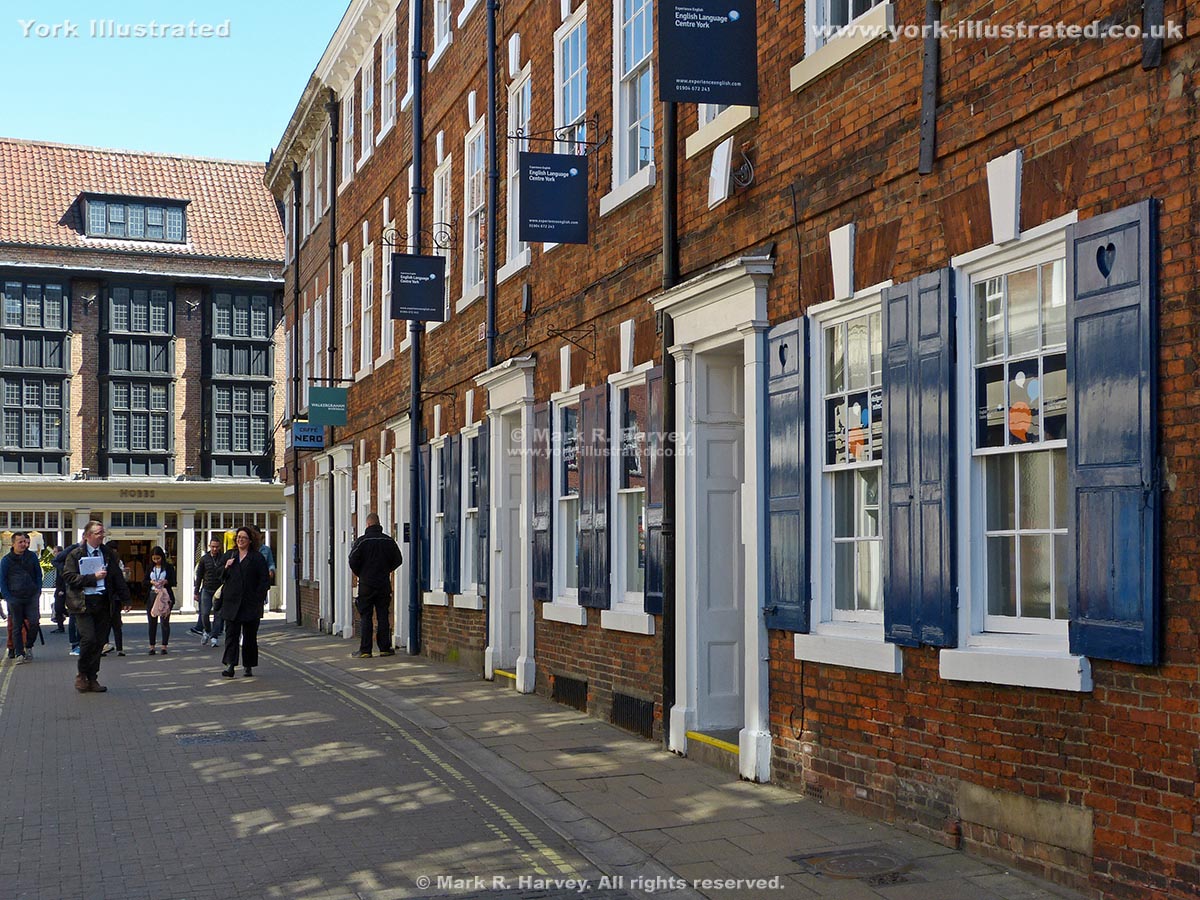
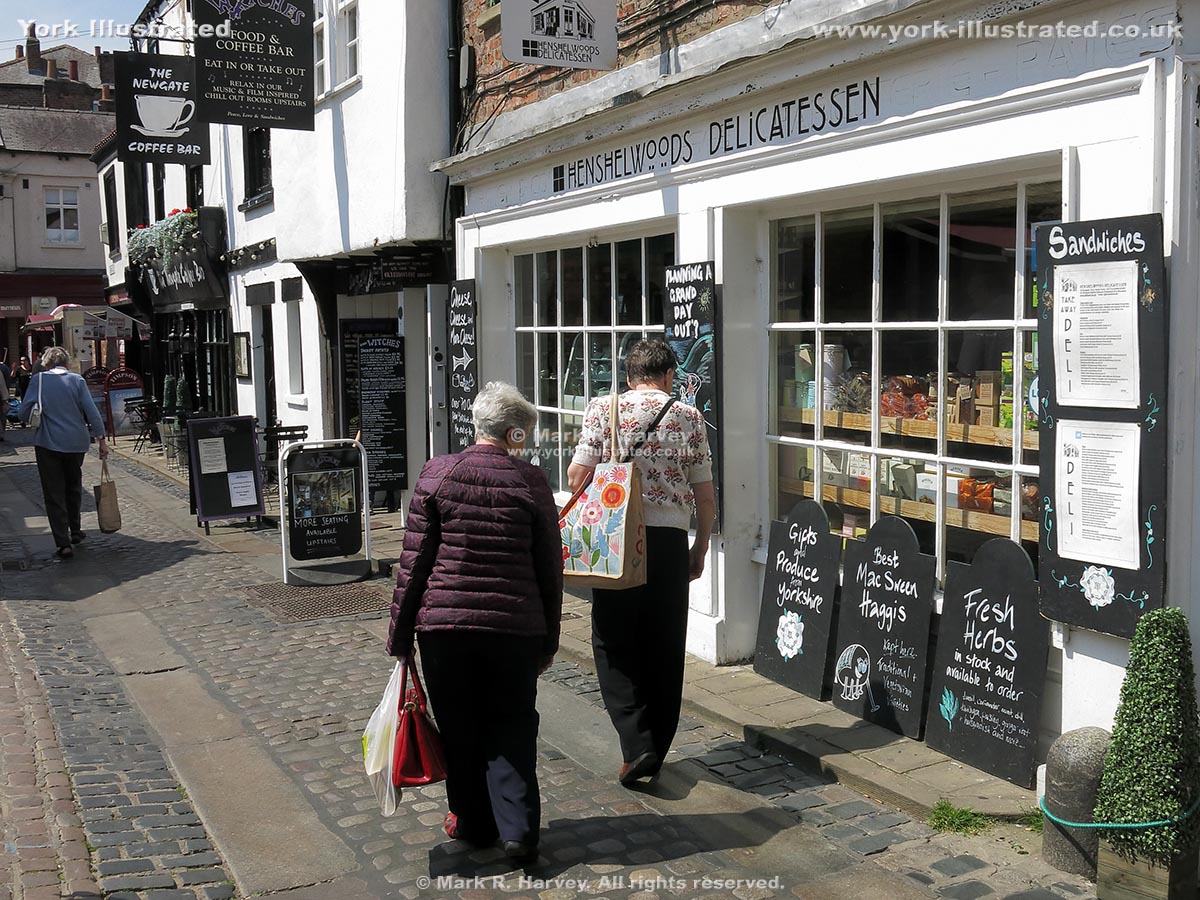
Newgate

Newgate is neither new, nor a gate. It is a fascinating cobbled street in the heart of York that was first recorded (as 'Le Newgate') in a document dated 1336.

Read more

Photo as per caption. Opens larger version.

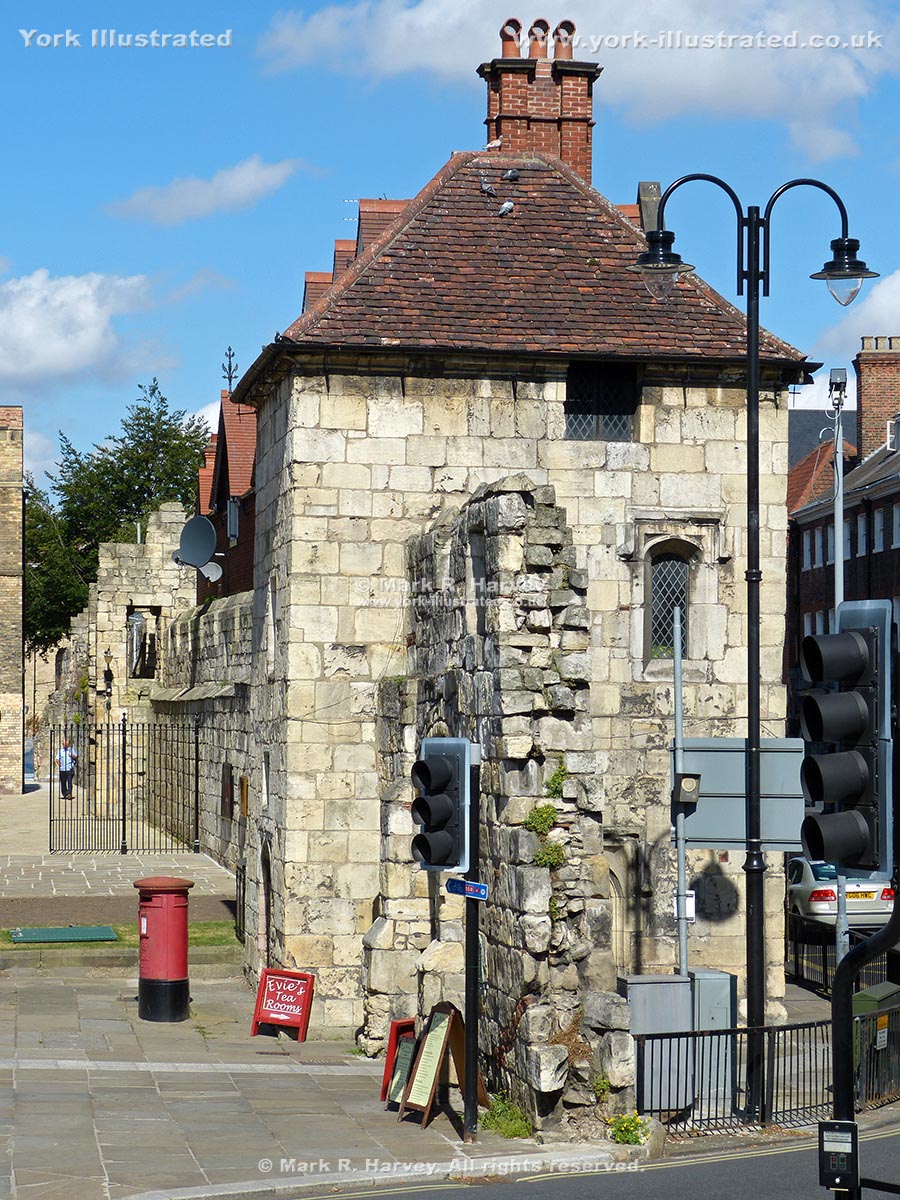
North Street Postern

The triple arch beside Barker Tower dates from the Victorian period. It replaced an earlier small defensive gateway known as North Street Postern.

Read more

Photo as per caption. Opens larger version.

Ogleforth

Between the late 13th and the early 18th centuries, Ogleforth was home to one of the gateways that separated the Minster Precincts from York city centre.

Read more

Photo as per caption. Opens larger version.

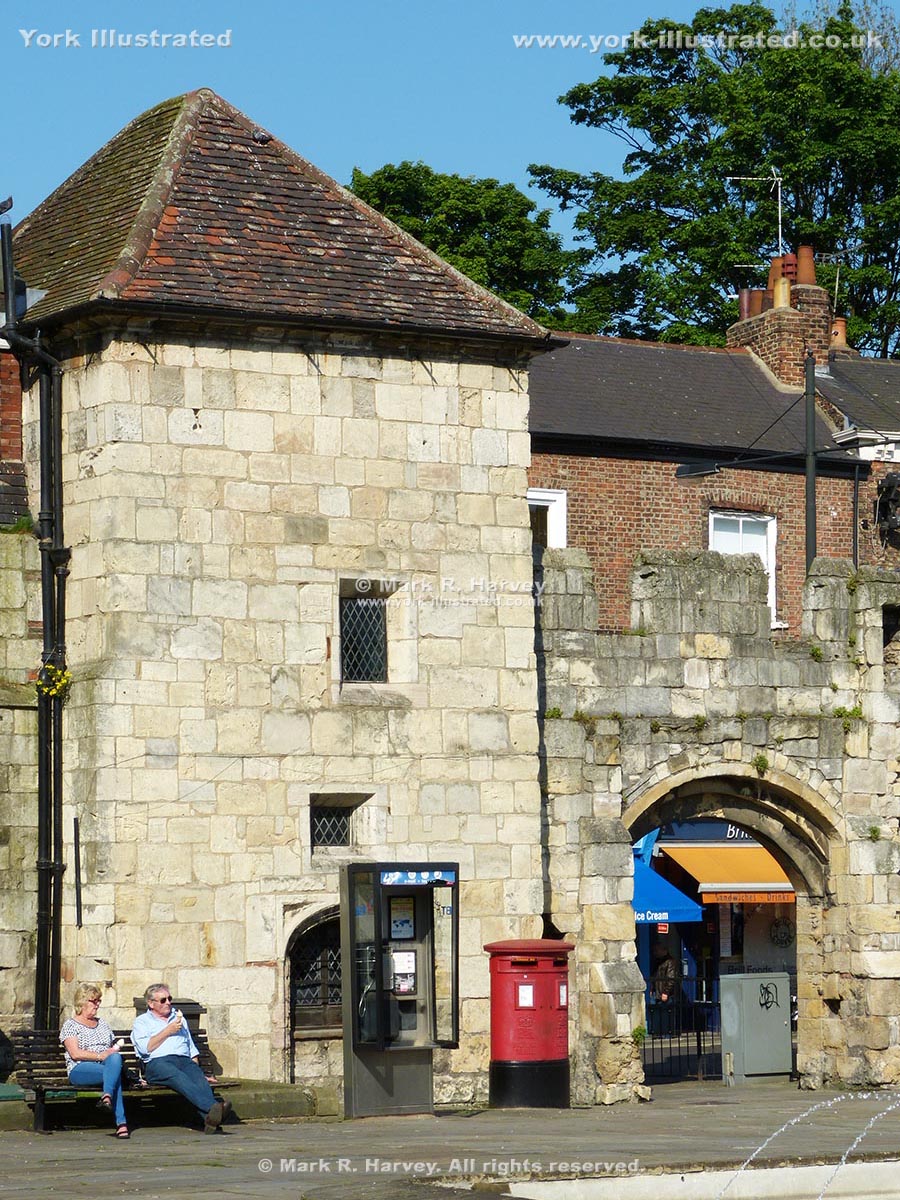
Postern Tower

The rectangular Postern Tower (aka Bootham Tower) was built in 1497 to protect St Mary's Abbey and to control access via the adjacent postern (gateway).

Read more

Photo as per caption. Opens larger version.

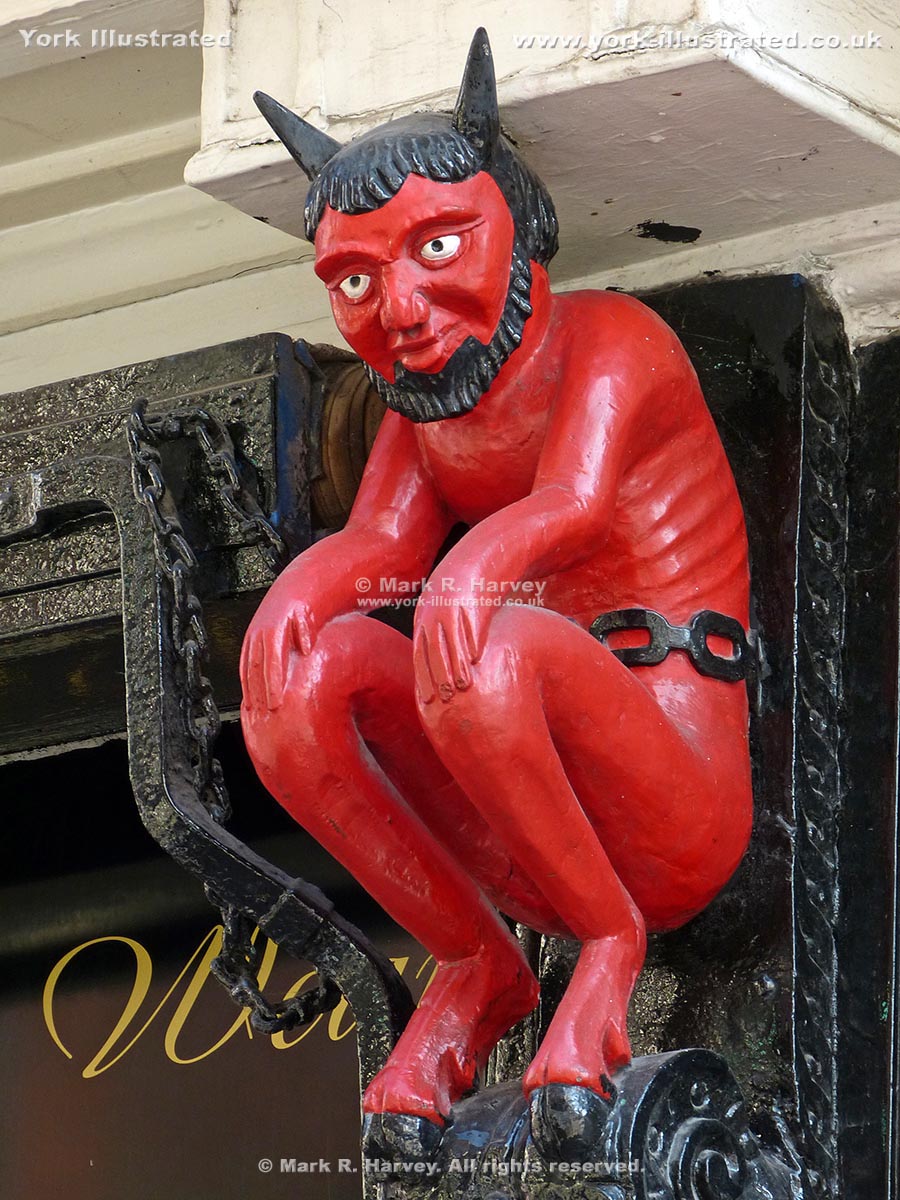
Printer's Devil (a.k.a. Little Red Devil) Carving

For centuries, apprentice printers were known as 'printer's devils' and 3D images like this one were commonly used to mark the location of printing workshops.

Read more

Photo as per caption. Opens larger version.

Queen Margaret's Arch

Queen Margaret's Arch (aka Bootham Postern) was built in 1497 to provide a more convenient entrance for the Abbot’s house (now known as the King’s Manor).

Read more

Photo as per caption. Opens larger version.

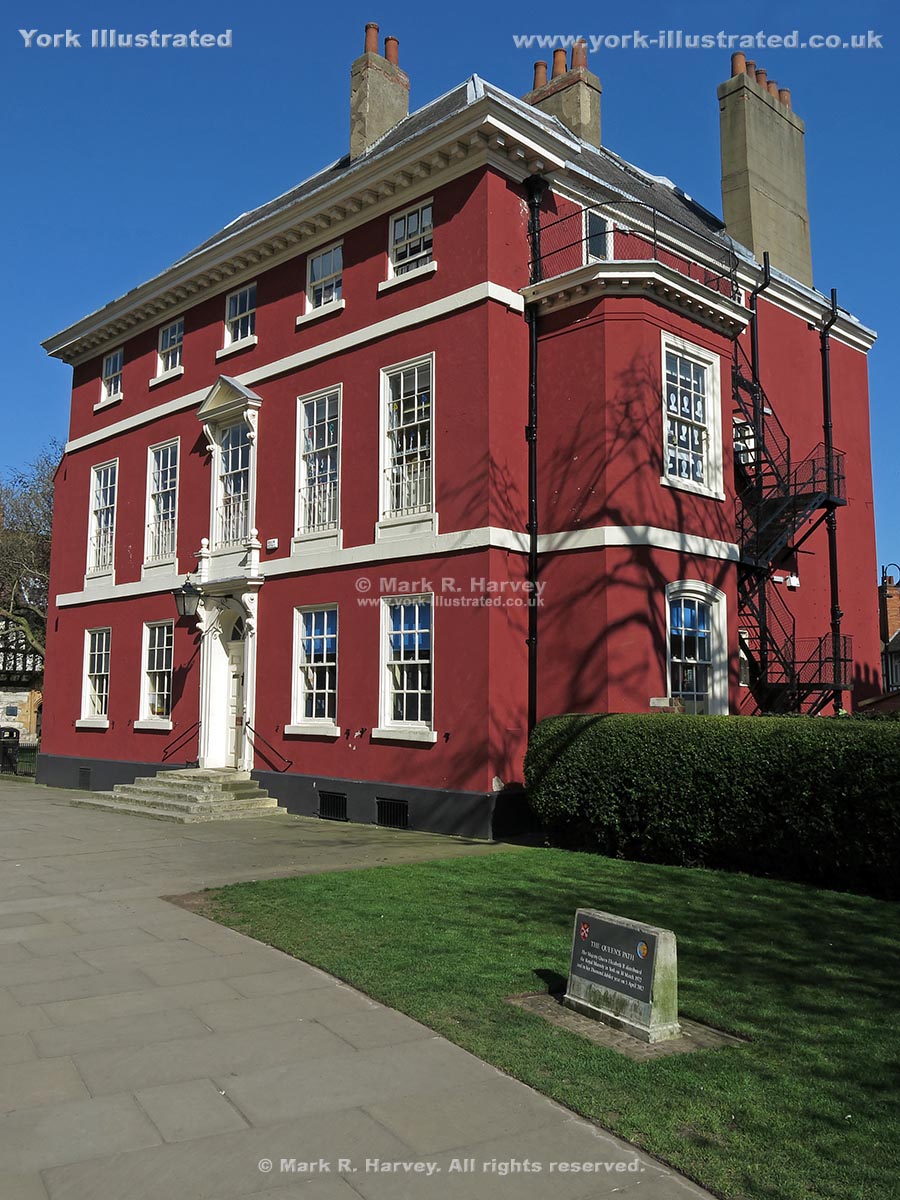
Queen's Path

The Queen's Path links the southern and northern parts of the Minster Yard. It's name commemorates a visit to the city by Her Majesty in 1972.

Read more

Photo as per caption. Opens larger version.

Railway Access Arches

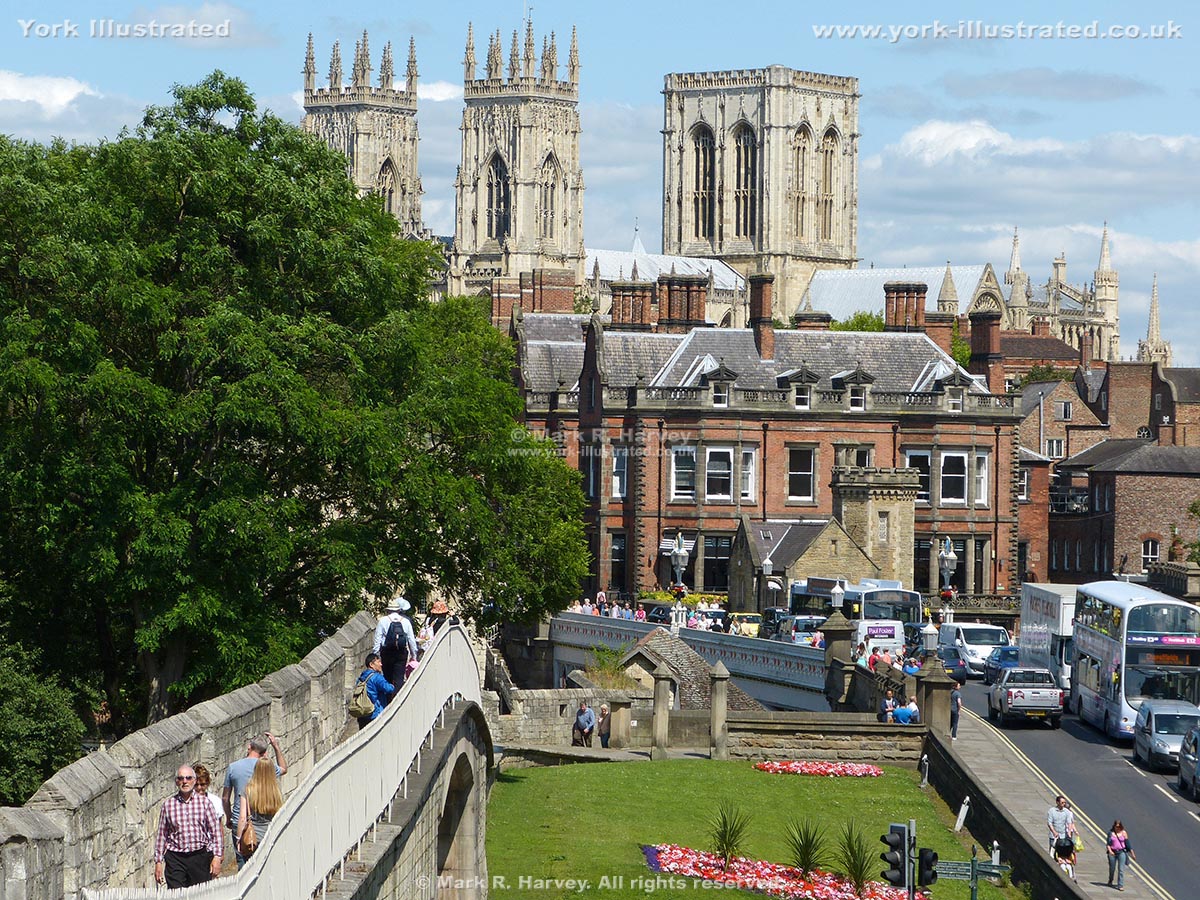
A set of three access arches were inserted into the City Wall by the York and North Midland Railway Company during the second quarter of the 19th century.

Read more

Photo as per caption. Opens larger version.

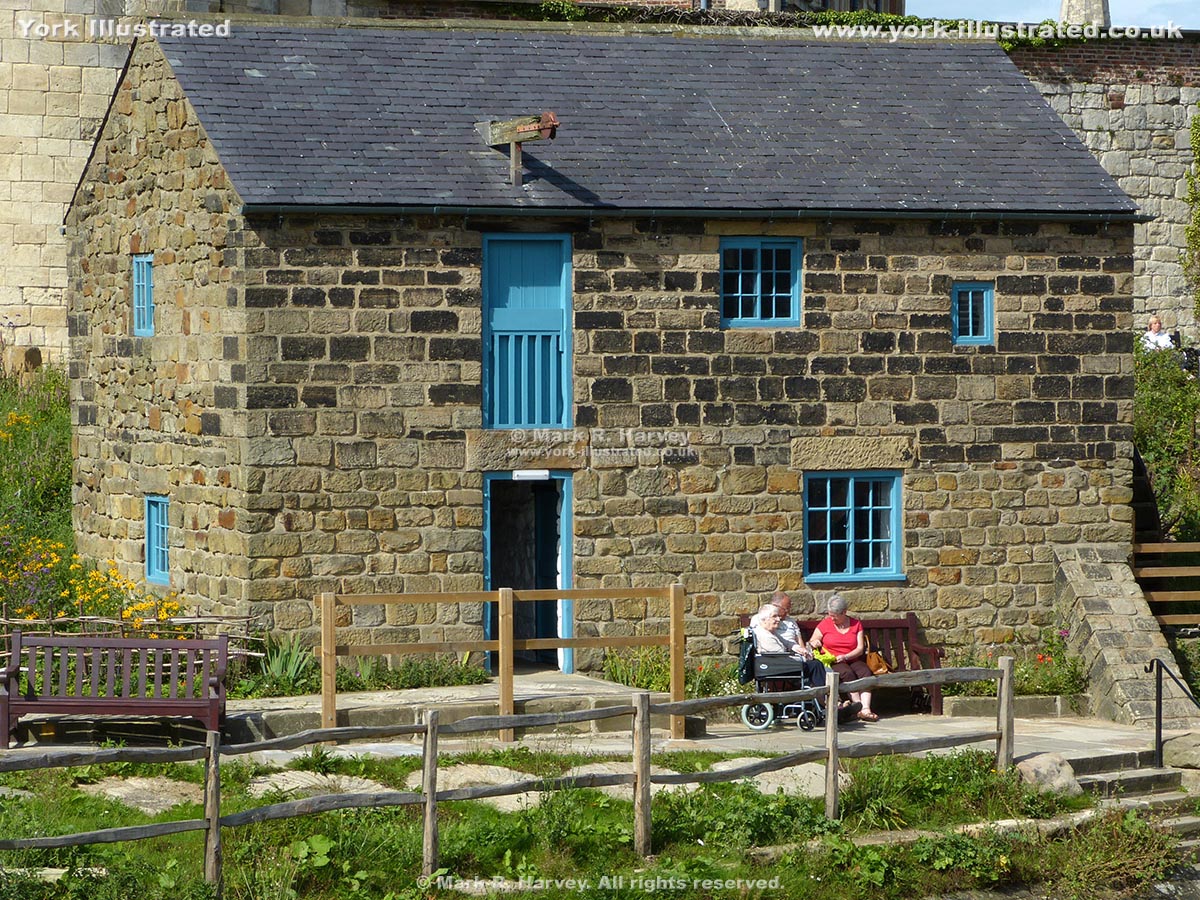
Raindale Mill

Raindale Mill is a relocated water-powered flour mill. It forms part of York Castle Museum and the machinery is operated occasionally by volunteers.

Read more

Photo as per caption. Opens larger version.

River House

The grade II listed red-brick building known as 'River House' was built in 1868 as club rooms and offices for 'The Yorkshire Club'. It had its own boathouse.

Read more

Photo as per caption. Opens larger version.

Riverside Terrace off St Martin's Courtyard

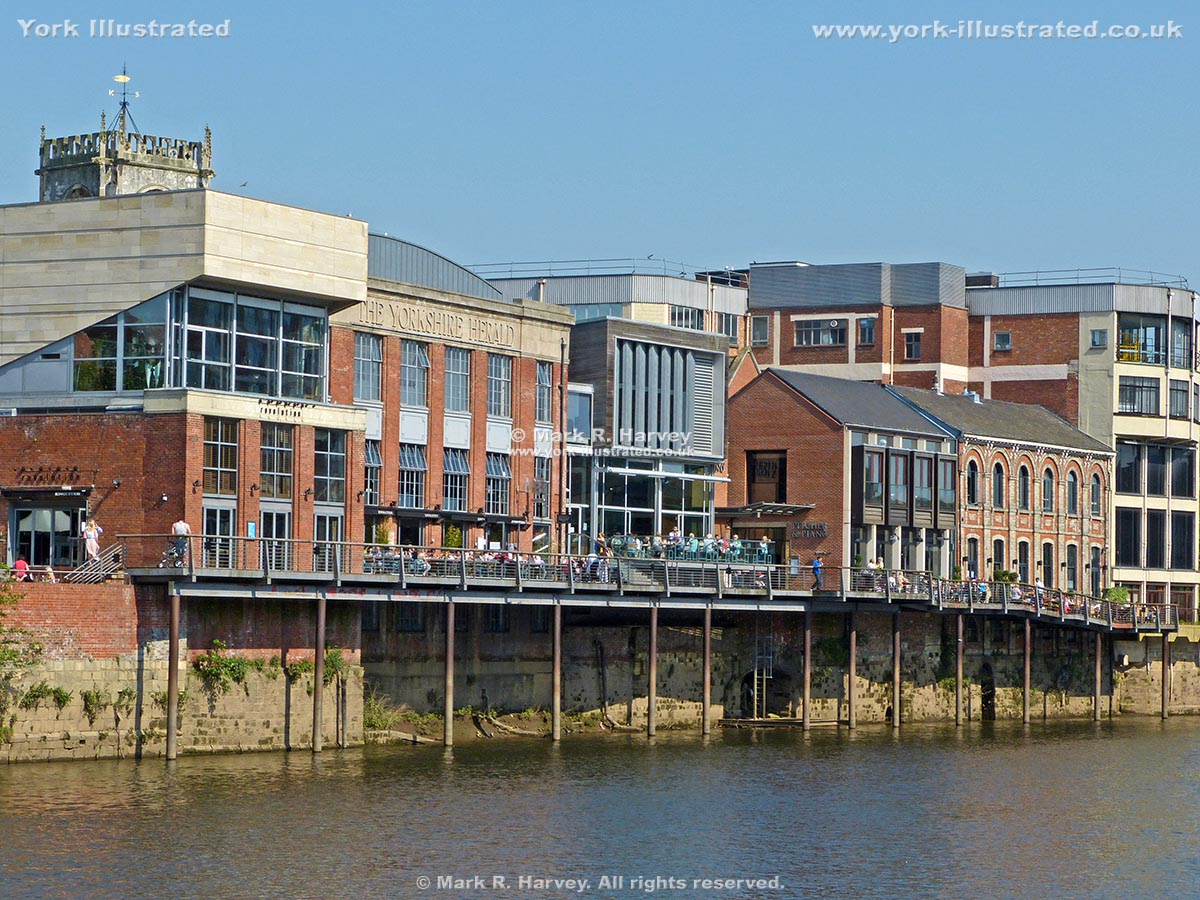
This steel-framed, timber-decked terrace and viewpoint was constructed in 2000 to open-up a previously inaccessible section of the River Ouse in the heart of the city centre.

Read more

Photo as per caption. Opens larger version.

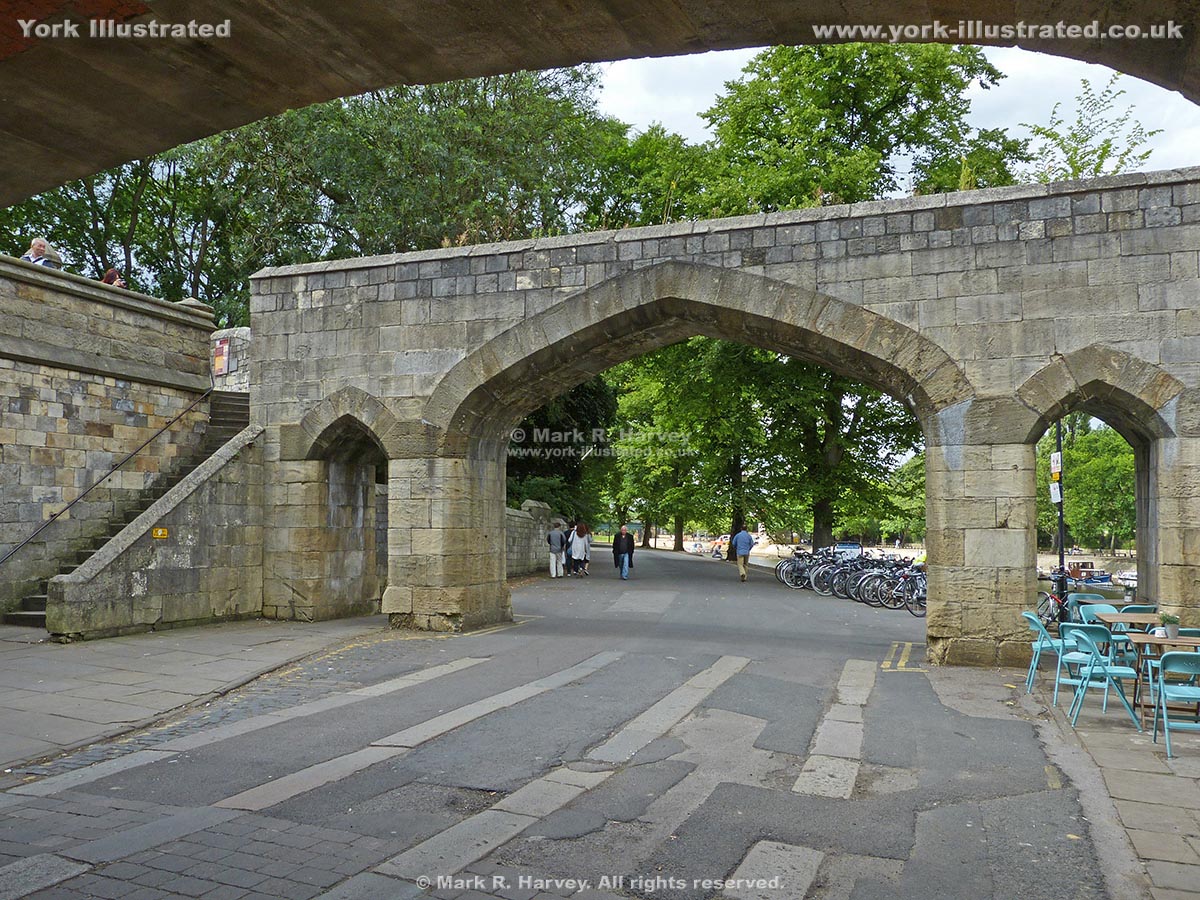
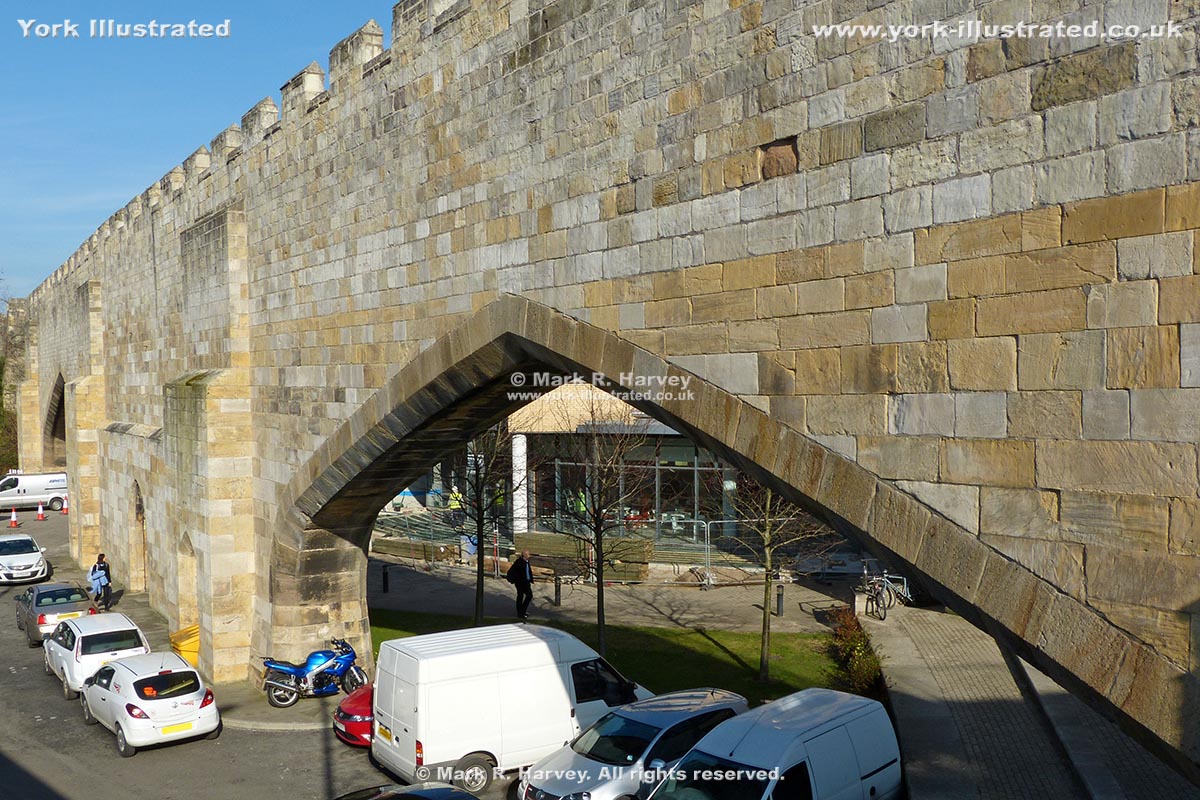
Road Access Arches

In 1874-6, two sets of archways were inserted into the city wall to provide pedestrian and road access between the city centre and the new railway station.

Read more

Photo as per caption. Opens larger version.

Roman Column

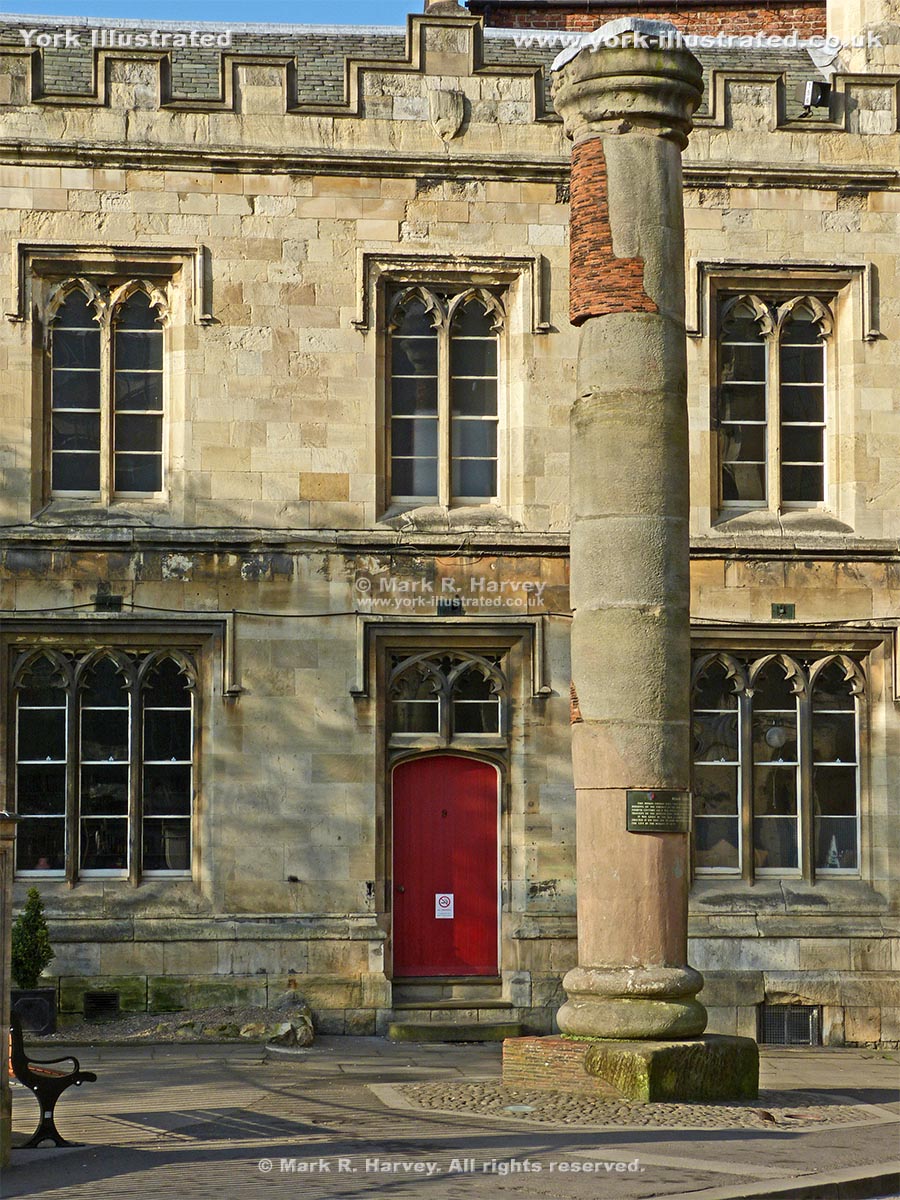
This stone column from the 4th century Roman principia (headquarters building) was found in 1969 during excavations beneath the south transept of York Minster.

Read more

Photo as per caption. Opens larger version.

Shambles

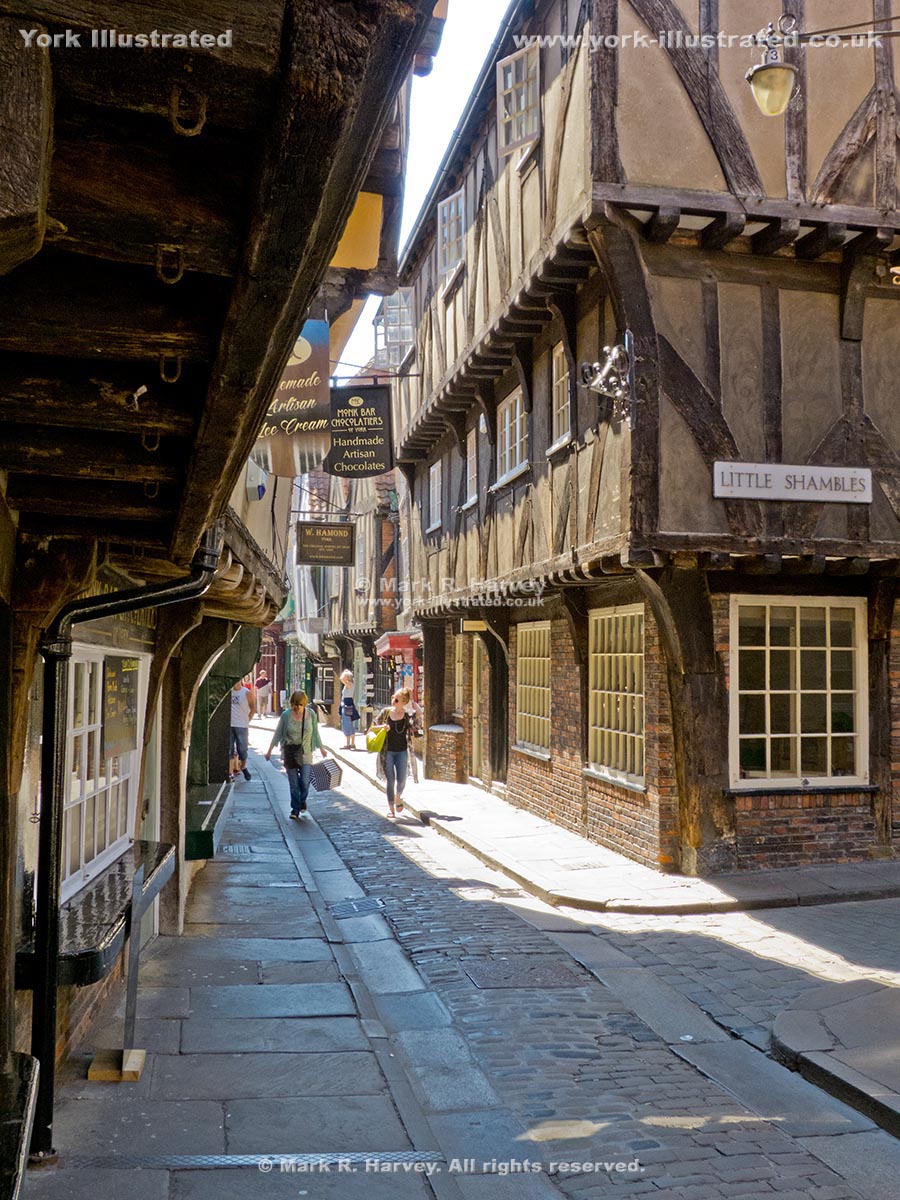
The Shambles is York's iconic medieval street. It gains much of its charm and character from the higgledy-piggledy arrangement of its historic buildings.

Read more

Photo as per caption. Opens larger version.

South African War Memorial and Duncombe Place Memorial Garden

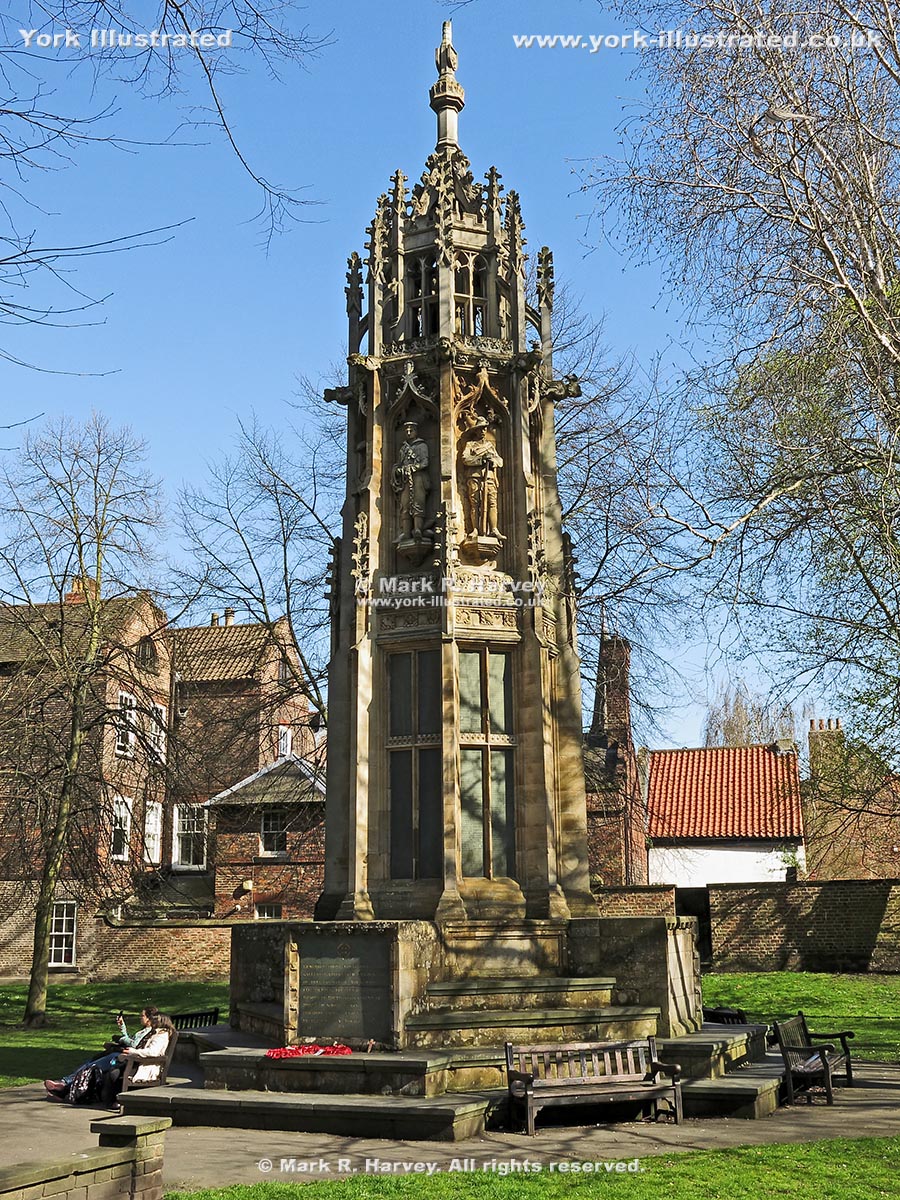
The South African War Memorial was installed in Duncombe Place in 1905 to commemorate the citizens of York who lost their lives during the Boer War (1899–1902).

Read more

Photo as per caption. Opens larger version.

St Denys Church

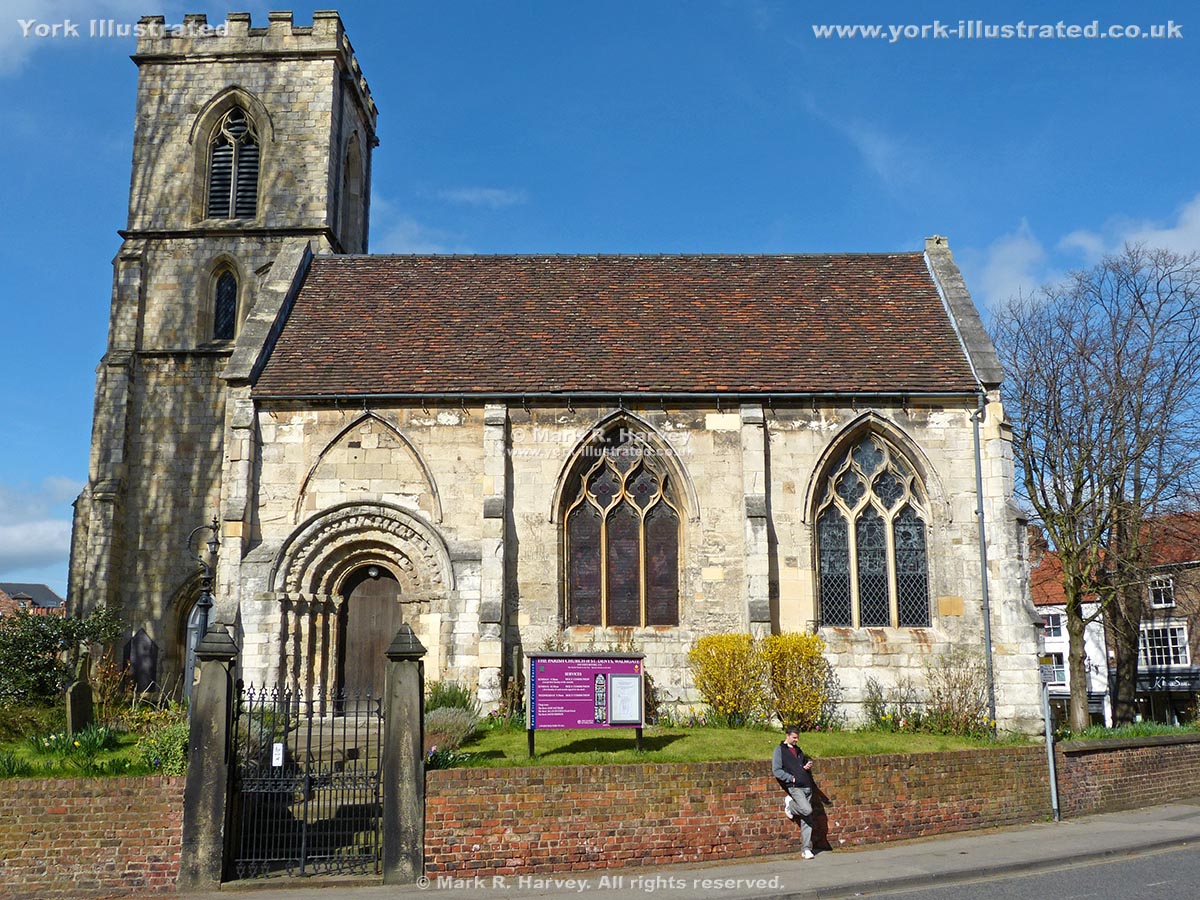
St Denys Church (Grade I listed) is one of the oldest churches in York city centre. It has links to the Fishmongers' Guild and the powerful Percy family.

Read more

Photo as per caption. Opens larger version.

St Helen's Square

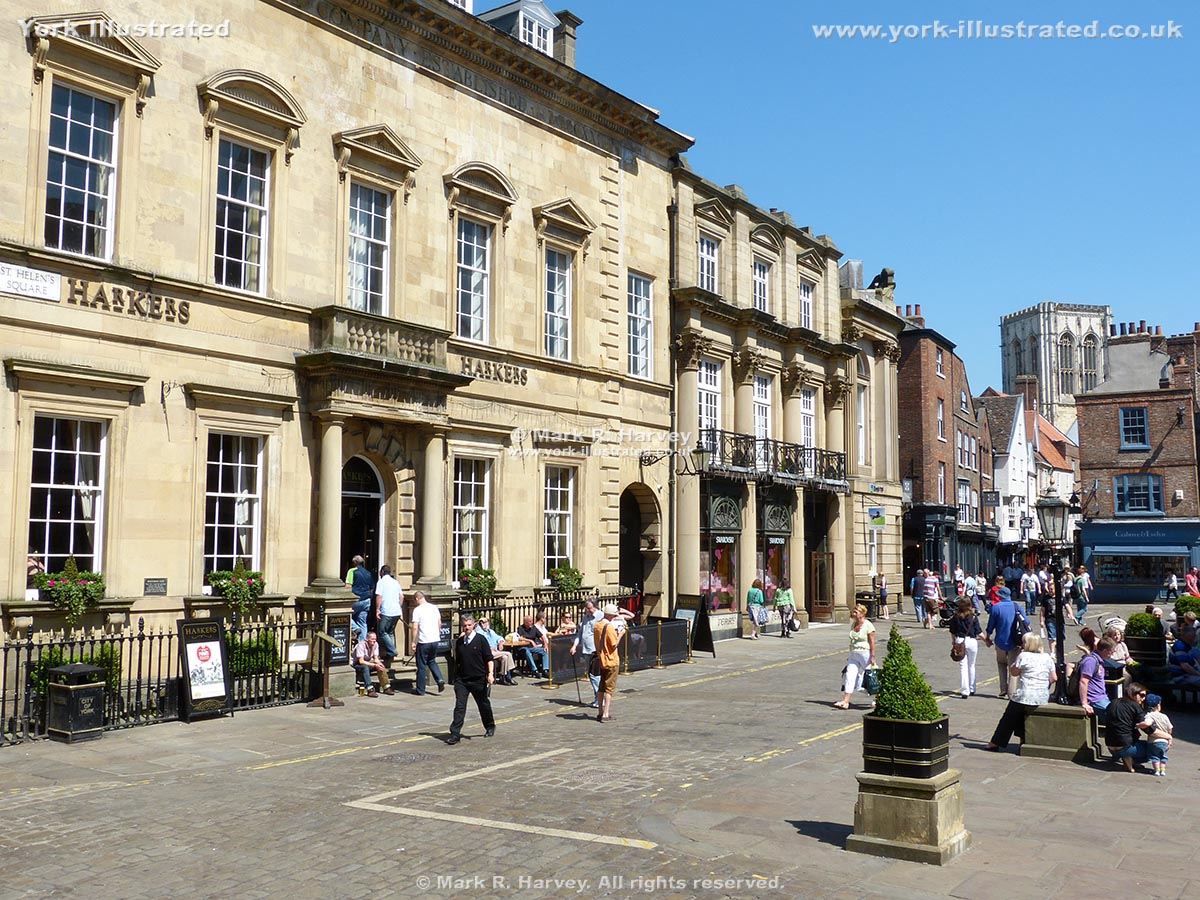
The square was created in 1745 by relocating the graveyard of St Helen’s Church. It contains some of the finest 18th, 19th and 20th century buildings in York.

Read more

Photo as per caption. Opens larger version.

St Leonard's Priory Water Gate and Hospital

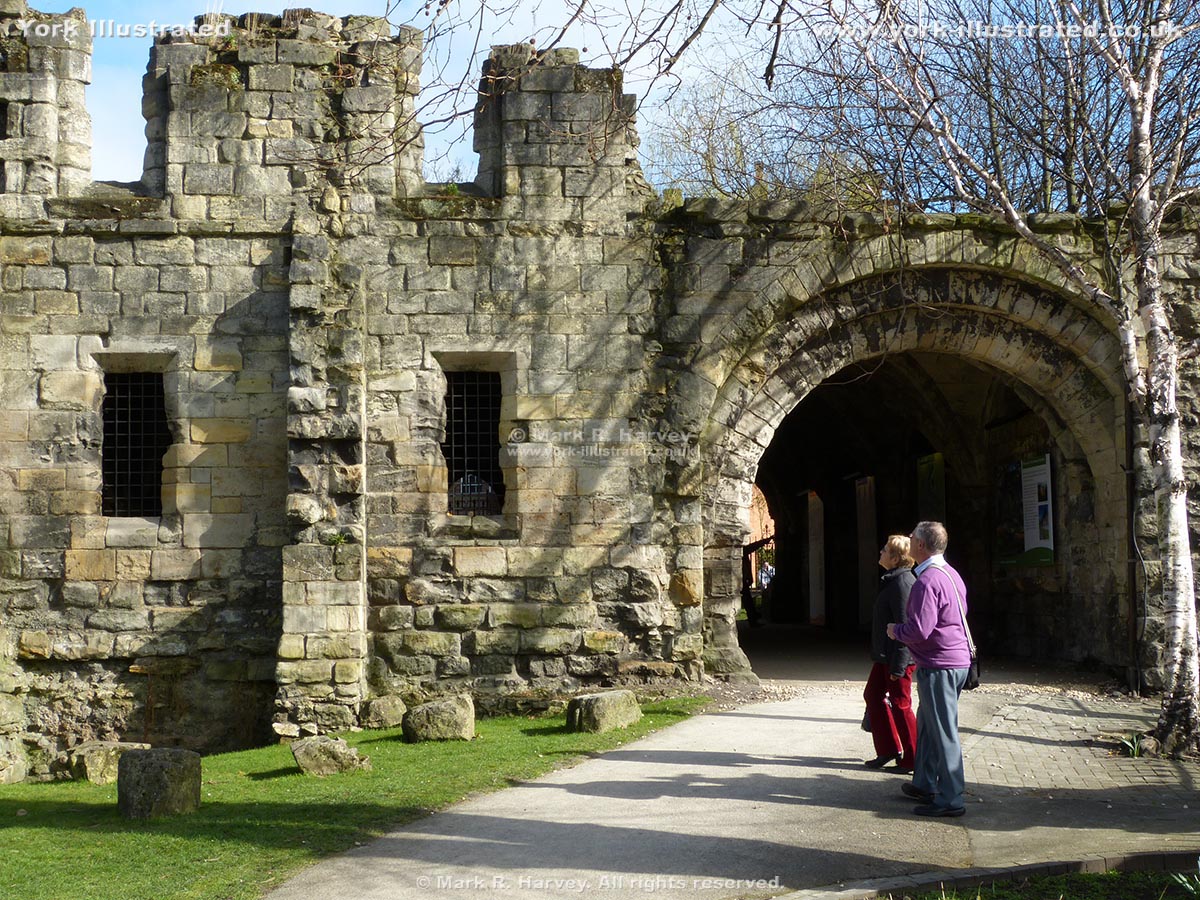
The Priory of St Leonard had one of the largest hospitals in medieval England. The 13th century remains include the water gate and part of the infirmary.

Read more

Photo as per caption. Opens larger version.

St Mary's Tower

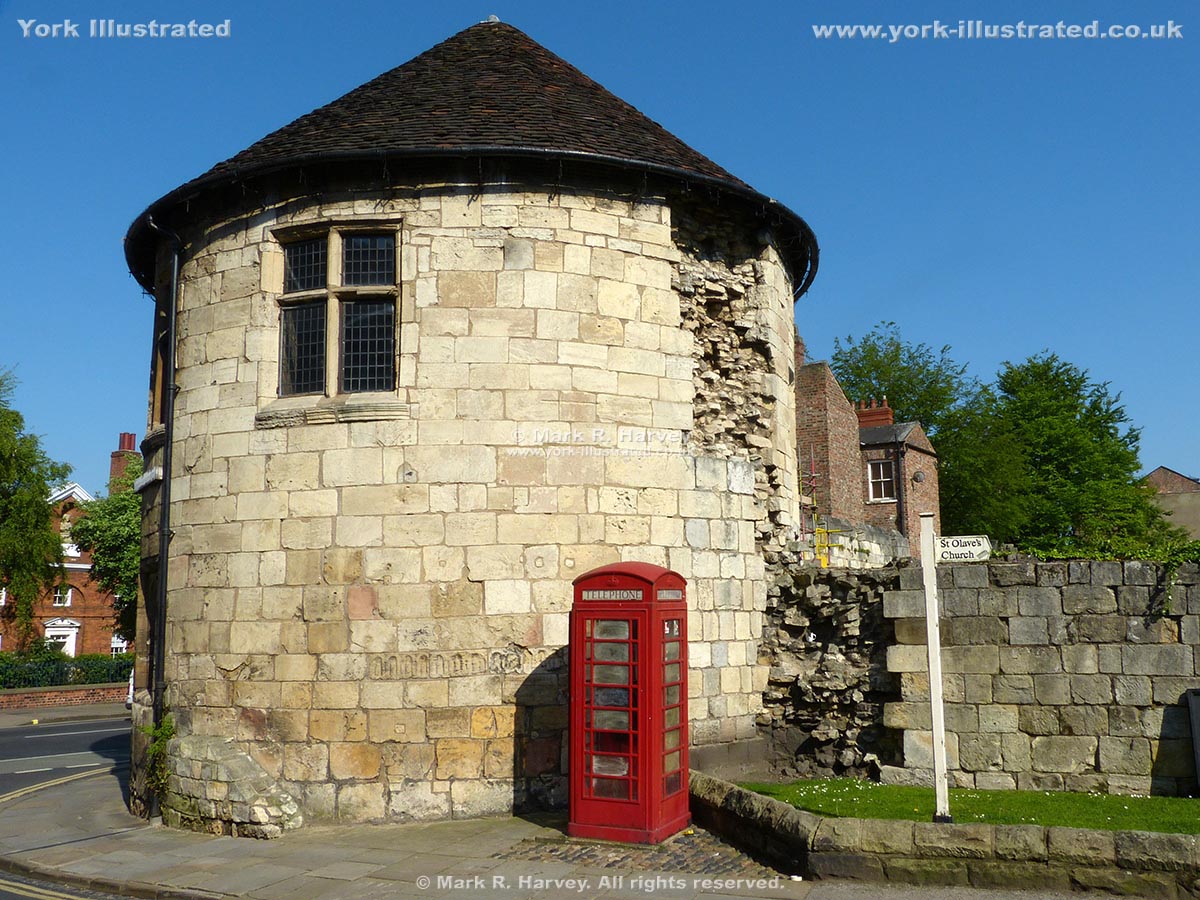
St Mary's Tower was built circa 1324. It was damaged during the Civil War, then partially repaired. The damage and the repairs are still evident today.

Read more

Pages